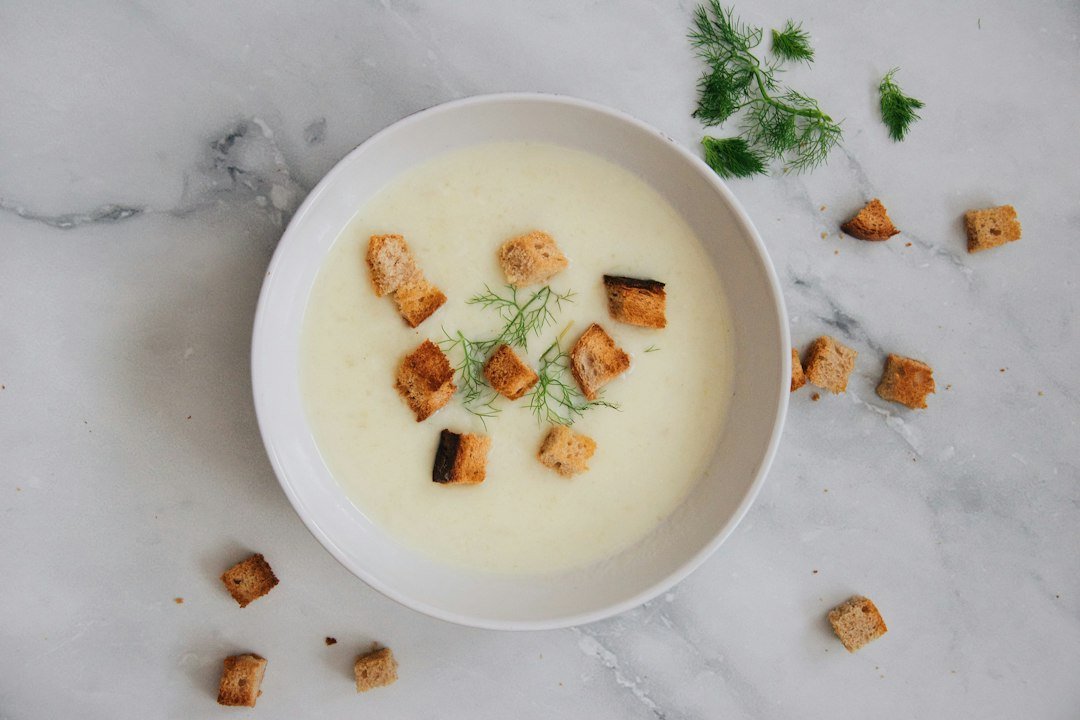
What Is Potato Leek Soup and Why It Deserves a Spot in Your Weekly Rotation
Potato leek soup, known in French cuisine as potage Parmentier, is one of those dishes that's far greater than the sum of its parts. At its core, it's a blended or chunky soup made from leeks, potatoes, and stock that takes about 45 minutes from prep to bowl using just five core ingredients: leeks, potatoes, stock, butter or oil, and salt. That simplicity is exactly what makes it so appealing for weeknight cooking.
According to Serious Eats, the magic of this soup comes down to technique rather than ingredient quantity. You don't need a long list of pantry items to produce something that tastes genuinely restaurant-worthy. As Once Upon a Chef explains, the potato variety and the way you treat the leeks during cooking determine everything about the final texture and flavor.
When it comes to potatoes, Yukon Golds are the clear top choice. Their naturally buttery flavor and medium starch content produce a creamy texture when blended, without turning gluey the way high-starch varieties can. The soup is also naturally gluten-free, and it's easy to make vegan by swapping butter for olive oil and using vegetable stock in place of chicken stock. Love and Lemons offers a great plant-based version if that's the direction you want to take.
The recipe also works across multiple cooking methods: stovetop, slow cooker, and Instant Pot all produce excellent results, giving you full flexibility depending on your schedule. If you enjoy hearty blended soups made with pantry staples, our split pea soup recipe uses the same three-method approach and is well worth bookmarking alongside this one.
What You Need Before You Start: Ingredients, Equipment, and Prep Work
Getting your ingredients and equipment sorted before you turn on the stove makes a real difference with this soup.
The Right Potatoes
Yukon Gold potatoes are the best variety for potato leek soup, full stop. Their waxy-to-medium starch balance means they blend smoothly without becoming pasty, which is the exact problem you run into with high-starch Russets. Serious Eats specifically calls out how over-starch can turn a blended soup gummy rather than creamy. The good news with Yukon Golds is that you don't even need to peel them for most preparations. Their skins are thin and tender enough to blend right in.
Red potatoes can work as a substitute but they produce a slightly less creamy result. If you do use Russets, peel them and understand that the texture won't be quite as silky when blended.
Cleaning Your Leeks
Leeks trap sand and grit between their layers, and skipping this step will ruin an otherwise perfect soup. Trim off the dark green tops and root ends, slice each leek lengthwise, then cut into half-moons. Submerge the cut leeks in a bowl of cold water, swish them around, and lift them out with your hands. The sand sinks to the bottom and stays behind. Once Upon a Chef walks through this process in detail and it's worth following precisely.
Knives and Cutting
A sharp chef's knife is essential here. Cleanly sliced leeks and evenly diced potatoes cook at the same rate. Uneven cuts mean some pieces turn to mush while others are still firm. If your knives need attention, our guide on how to sharpen a kitchen knife covers everything you need, and our roundup of best knife sharpening tools for home chefs is a great companion resource.
The Right Pot
A heavy-bottomed pot with a 5- to 6-quart capacity is what you want. An enameled Dutch oven distributes heat evenly and prevents the leeks from scorching during the sweating stage. If you're cooking on induction, choosing the right pot material really does matter. Tri-ply stainless steel and enameled cast iron are both excellent options. Our guide to best cookware for induction cooktops breaks down the differences. If you're using a cast iron Dutch oven, check out our how to clean cast iron guide to keep it in great shape.
Blending Equipment
An immersion blender is the most convenient tool since you blend directly in the pot. However, a countertop blender produces a noticeably silkier, more restaurant-quality result if you blend in batches. Sip and Feast recommends the countertop approach for that extra-smooth finish.
Optional Garnishes to Have Ready
Set aside crème fraîche, fresh chives, crispy bacon or pancetta, or a soft-cooked egg for serving. These toppings take the soup from weeknight dinner to something you'd be proud to put in front of guests.
How to Make Potato Leek Soup: Step-by-Step Instructions
This method follows stovetop technique as the primary approach, with slow cooker and Instant Pot variations included below. Seasoning happens in three stages throughout, which is what builds layered flavor rather than a flat soup you're trying to rescue at the end.
Step 1: Prep Your Leeks and Potatoes
Trim the dark green tops and root ends from 3 large leeks, slice lengthwise, then cut into half-moons. Rinse in a bowl of cold water and lift out carefully, leaving all the sand behind. Dice 1.5 pounds of Yukon Gold potatoes into ¾-inch cubes. Even sizing here is important for consistent cooking.
Step 2: Sweat the Leeks
Melt 3 tablespoons of unsalted butter over medium-low heat in your heavy-bottomed pot. Add the leeks along with a pinch of salt and cook, stirring occasionally, for 10 to 12 minutes until they're completely softened and silky. Don't rush this stage and don't turn up the heat. Browning the leeks at this point introduces a bitter, onion-heavy flavor that won't improve once the stock goes in. This is the single most important step in the whole recipe, and Serious Eats treats it as non-negotiable for a reason.
Step 3: Add Aromatics
Stir in 3 cloves of minced garlic and 1 teaspoon of fresh thyme leaves. Cook for about 60 seconds, stirring constantly, until fragrant. The garlic goes in after the leeks are fully softened so it doesn't burn during the long sweating stage.
Step 4: Deglaze and Add Stock
Pour in ½ cup of dry white wine or extra stock to deglaze the pot, scraping up any fond from the bottom. Then add 4 cups of chicken or vegetable stock along with the diced potatoes. Love and Lemons notes that using a quality stock rather than water is one of the biggest flavor differences you can make. Season lightly again at this stage.
Step 5: Simmer Until Tender
Bring the soup to a boil, then reduce the heat to medium-low and simmer uncovered for 15 to 20 minutes, until the potatoes are completely tender when pierced with a fork. Don't cut this time short. Slightly underdone potatoes won't blend properly and you'll end up with an uneven texture.
Step 6: Blend to Your Preferred Texture
For a silky, restaurant-style result, blend in batches in a countertop blender. Fill it no more than halfway, remove or vent the center cap, and cover the top with a folded kitchen towel to release steam safely. For a chunkier, more rustic style, use an immersion blender and pulse briefly, leaving some potato pieces intact. Sip and Feast and Once Upon a Chef both walk through the blending step in detail.
Step 7: Finish and Season
Return the blended soup to the pot over low heat. Stir in ½ cup of heavy cream, or use full-fat coconut cream for a vegan version. Taste carefully and adjust with salt and white pepper. A squeeze of fresh lemon juice at the very end brightens the whole bowl and balances the richness.
Slow Cooker Method
Complete steps 1 through 3 on the stovetop, then transfer everything to the slow cooker with the stock and potatoes. Cook on LOW for 6 to 8 hours or HIGH for 3 to 4 hours, then blend as described above. Our slow cooker lamb shanks guide covers the low-and-slow technique in detail if you want to understand how the method works more broadly.
Instant Pot Method
Use the Sauté function for steps 1 through 3. Add stock and potatoes, seal the lid, and cook on HIGH pressure for 8 minutes, followed by a quick release. Then blend. If you're new to pressure cooking, our guide on Instant Pot cooking technique is a good starting point for getting comfortable with the process.
For more professional soup techniques to add to your repertoire, our chicken tortilla soup recipe applies similar chef-level methods to a completely different flavor profile.
Chef Tips, Variations, Storage, and Common Mistakes to Avoid
The Mistakes That Matter Most
The single biggest error home cooks make with this soup is turning up the heat to rush the leek-sweating stage. Brown leeks mean a bitter soup, and there's no way to fix that once the stock is added. Keep the heat at medium-low, be patient, and the payoff is worth it.
The second mistake is over-blending after cream has been added. Blending dairy vigorously can cause the soup to break and turn grainy. Always blend the potato-stock base first to get the texture right, then stir in the cream off the heat or over the lowest setting. Serious Eats flags this as a key finishing technique.
Variations Worth Trying
For a vegan version, swap the butter for olive oil and use full-fat coconut cream or cashew cream instead of heavy cream. Coconut cream adds a subtle sweetness that pairs surprisingly well with leeks, as Sip and Feast notes in their plant-based variation.
If you prefer a chunky, country-style soup, skip the blender entirely and use a fork or potato masher to break down some (not all) of the potatoes directly in the pot. You get a hearty, textured result that's completely different in character from the silky blended version.
A popular finishing technique involves stirring in crème fraîche rather than heavy cream. This produces a tangier, slightly lighter result that's worth trying as an alternative, especially when you want a less heavy finish.
Andrew Zimmern's take on potato leek soup leans into the garnish side of things, showing how toppings like crispy pancetta, truffle oil, or fresh chives can transform the finished dish from a simple weeknight meal into something genuinely impressive with minimal extra effort.
Storage and Freezing
Potato leek soup keeps well in an airtight container in the refrigerator for up to 4 days. Reheat it gently over low heat, adding a splash of stock or water to loosen the consistency since it thickens considerably as it cools. Keeping your refrigerator at the right temperature (35 to 38°F / 1.7 to 3.3°C) is important for safely storing leftover soup and keeping prepped leeks and potatoes fresh until you're ready to cook. Our refrigerator temperature settings guide covers everything you need to know.
If you want to freeze this soup, do it before adding any dairy. The blended base freezes well for up to 3 months. Stir in fresh cream or coconut cream after reheating to prevent separation and graininess.
Potato Leek Soup: Frequently Asked Questions
Q: Do I need to peel potatoes for potato and leek soup?
No, you don't need to peel potatoes for potato leek soup if you're using Yukon Gold potatoes. Their skins are thin, tender, and virtually undetectable after blending, while adding a small nutritional boost. If you use Russet potatoes, peeling is recommended because Russet skins are thicker and can contribute a slightly bitter, rough texture to the finished soup. That said, Russets are generally not the best choice for this recipe regardless, since their high starch content makes blended soup gummy. As Love and Lemons points out, Yukon Golds are simply the better potato here on every level.
Q: What part of the leek do you use in potato leek soup?
Use only the white and light green parts of the leek. The dark green tops are fibrous, tough, and don't soften properly during cooking. Don't throw the tops away though. They make an excellent addition to homemade vegetable or chicken stock, so save them in a zip-lock bag in the freezer.
Q: Can you freeze potato leek soup?
Yes, potato leek soup freezes well for up to 3 months, but only if you freeze it before adding dairy cream. Cream-based soups separate and turn grainy when frozen and reheated. Freeze the blended base without cream, then stir in fresh heavy cream or coconut cream after reheating over low heat. Once Upon a Chef recommends this same approach for make-ahead batches.
Q: Why does my potato leek soup taste bitter?
Bitterness almost always comes from cooking the leeks over heat that's too high and allowing them to brown. Leeks must be sweated slowly over medium-low heat for 10 to 12 minutes until completely soft and silky. Any browning introduces sharp, bitter flavors that can't be corrected once the stock is added. This is one of those cases where slower really does mean better.
Q: Can potato leek soup be served cold?
Yes. When served cold, potato leek soup becomes vichyssoise, a classic French preparation recognized as one of the great cold soups. To serve it cold, prepare and blend the soup as normal, then refrigerate for at least 4 hours. Re-season before serving because cold temperatures significantly dull the perception of salt and other flavors. Serious Eats covers the vichyssoise preparation as an elegant variation on the same base recipe.