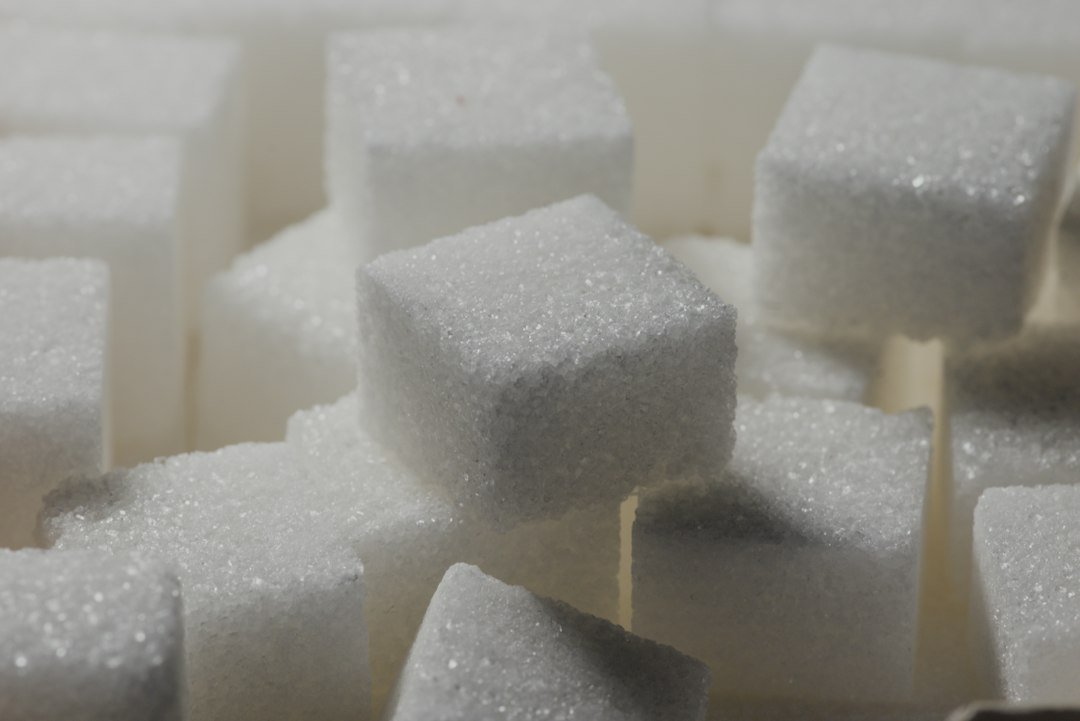
How Many Grams Is a Sugar Cube? The Direct Answer
A standard sugar cube weighs approximately 4 grams (0.14 oz), and that single number does a lot of heavy lifting in the kitchen. In practical terms, one cube equals roughly 1 teaspoon of granulated sugar, which makes it one of the tidiest pre-measured units you'll find in any pantry. For a deeper look at this measurement from another angle, our guide on sugar cube gram measurements covers the conversion in additional detail.
From a nutrition standpoint, that 4-gram cube delivers about 15 calories and 4 grams of carbohydrates, all from sucrose. There's nothing else in a white sugar cube, which makes the math easy when you're tracking intake. Tasting Table confirms that regardless of whether you reach for a cube or a teaspoon, the sugar itself is identical.
The 4-gram figure applies reliably to the most widely sold white sugar cubes in the United States. European producers, such as Béghin Say and Südzucker, often press their cubes slightly larger, with individual weights commonly falling between 5 and 6 grams per cube. You can read more about the history and production of sugar cubes on Wikipedia's sugar cube page.
Brown sugar cubes generally match the same 4-gram weight as white cubes. The molasses coating adds a richer, slightly caramel flavour, but it doesn't meaningfully change the calorie count. Raw sugar cubes (turbinado or demerara) tend to average around 5 grams each, because their coarser crystals don't compress as tightly during manufacturing.
Sugar Cube Weight by Type, Brand & Cooking Equivalents
Brand Baselines and Regional Differences
Domino sugar cubes are one of the most cited reference points in US cooking because their packaging explicitly states 4 grams per cube, giving home cooks a reliable number to build from. C&H cubes match that same 4-gram standard. European café-style cubes, whether rectangular or pillow-shaped, regularly run 5 to 6 grams each, so it's worth checking the label if you're using an imported box in a recipe that calls for specific gram amounts.
According to Tasting Table, the cube format is particularly popular in cocktail bars because bartenders can drop a pre-weighed cube into a glass without reaching for a scale or measuring spoon. That consistency is genuinely useful in a fast-moving service environment.
Conversion Table: Cubes to Common Measurements
| Sugar Cubes (4 g each) | Equivalent |
|---|---|
| 1 cube | 1 teaspoon / 4 g |
| 3 cubes | 1 tablespoon / 12 g |
| 48 cubes | 1 cup / ~192 g |
| ~113 cubes | 1 pound / 454 g |
Three standard cubes equal exactly 1 tablespoon of granulated sugar (12 grams), and 48 cubes get you to a full cup. A standard 1-pound bag of sugar contains the equivalent of roughly 113 of these 4-gram cubes, which is a useful anchor if you're scaling recipes or estimating how far a box of cubes will stretch.
Nutritional Differences Between Cube Types
White and brown sugar cubes are nutritionally near-identical at a single-cube serving. Brown cubes do carry trace amounts of calcium, potassium, and iron from their molasses content, but the quantities are negligible at this scale. You're not going to see a meaningful mineral benefit from one brown cube versus one white cube in your morning coffee.
Raw demerara cubes are a different matter when it comes to texture and function. Their coarser crystal structure means they dissolve more slowly than white cubes, which is exactly why they're the preferred choice for cocktails like the Old Fashioned. Controlled, gradual dilution is a feature in that context, not a drawback.
If you're watching your sugar intake across the day, our Greek yogurt no added sugar guide and no sugar added Greek yogurt guide are useful companion reads for understanding where hidden sugars show up in everyday foods.
Cubes in Cooking and Baking
As a retired professional chef, Sophia Garcia recommends dropping a single 4-gram white sugar cube directly into a double espresso rather than spooning in loose sugar. The slower dissolution lets you taste as it goes, giving you more flavour control without overshooting. If you're shopping for the right machine to go with that technique, our best coffee maker for espresso lovers guide is worth a look.
For caramelisation work, individual cubes let you monitor exactly how many grams of sugar are going into each portion, which is especially handy for consistent crème brûlée toppings. Our Basque cheesecake guide is a good example of a recipe where precise sugar quantities make a real difference to the final result.
For smaller baking applications, the 1-cube-equals-1-teaspoon rule makes substitution simple. If you're glazing a batch from our gluten-free Christmas biscuit guide and you've run out of loose sugar, a cube works perfectly. The same logic applies when making our oat raisin biscuits or sweetening a protein powder mug cake where small, measured portions matter.
Sugar Cubes and Daily Intake Tracking
One practical reason to keep sugar cubes on hand is their value as a visual tracking tool. The WHO recommends limiting free sugars to under 25 grams per day for adults, which works out to roughly 6 standard cubes. That's a tangible, countable number, which is far easier to picture than 25 grams of loose sugar poured from a bag.
A Reddit LifeProTips thread on sugar awareness makes the same point: using cubes as a daily visual cap helps people stay aware of intake without tracking every gram on an app. A Facebook post from chef Brad Leone that visualised sugar grams sparked similar discussion about how the cube format makes abstract numbers concrete.
Two cubes in your morning coffee (8 grams) already represents about one-third of that daily recommended ceiling. If you're also layering sweetened toppings onto a Greek yogurt parfait, those grams add up faster than you'd expect. Browsing the full food section on our site gives you a broader picture of where sugar appears across common kitchen staples.
One important clarification: sugar cubes are not more natural or less processed than granulated sugar. They're made from ordinary granulated sugar, moistened with a small amount of water, pressed into shape, and dried. The end product is pure sucrose in a different physical form, nothing more.
Frequently Asked Questions About Sugar Cube Grams
How many grams is a standard sugar cube?
A standard sugar cube weighs approximately 4 grams (about 0.14 oz), which is the equivalent of 1 teaspoon of granulated sugar. This is the weight used by major US brands including Domino and C&H. European-style cubes may be slightly heavier at 5 to 6 grams per cube.
How many sugar cubes equal a tablespoon?
Three standard 4-gram sugar cubes equal 1 tablespoon (12 grams) of granulated sugar. If you're using larger European-style cubes at 5 to 6 grams each, you'll need approximately 2 to 2.5 cubes to reach a tablespoon.
How many sugar cubes are in a pound?
One pound of sugar equals 454 grams. At 4 grams per standard cube, that works out to approximately 113 sugar cubes per pound. Raw or European cubes at 5 to 6 grams each would yield roughly 75 to 90 cubes per pound.
Are sugar cubes less processed than granulated sugar?
No. Sugar cubes are made from ordinary granulated sugar that is moistened with a small amount of water, pressed into cube shapes, and dried. They're chemically identical to loose granulated sugar, pure sucrose, with no processing advantages or disadvantages.
How many calories are in one sugar cube?
One standard 4-gram sugar cube contains approximately 15 calories and 4 grams of carbohydrates, all from sucrose. A single cube in your tea or coffee is one of the easiest ways to keep a portion-conscious count on your sweetener use. Brown sugar cubes of the same weight carry an essentially identical calorie count.
What is the difference between white, brown, and raw sugar cubes in terms of weight?
White and brown sugar cubes both typically weigh around 4 grams. Raw or demerara cubes are coarser and less compressed, usually weighing closer to 5 grams. Brown cubes have a slight molasses flavour but aren't nutritionally meaningfully different from white cubes at a single-serving size.
How many sugar cubes equal 1 cup of sugar?
One cup of granulated sugar weighs approximately 200 grams. At 4 grams per standard cube, you'd need around 48 to 50 sugar cubes to equal 1 cup. That makes bulk baking impractical with cubes, but for small-batch recipes they work fine as a quick substitute.
Are sugar cubes good for baking?
Sugar cubes work well in baking when you need precise small portions, since each cube is a pre-measured 4-gram unit. For larger quantities they're less practical than bulk granulated sugar. They're most useful for portion-controlled sweetening of beverages, cocktails, and individual dessert garnishes. Our sugar cube gram reference has additional detail on conversions for specific recipes.