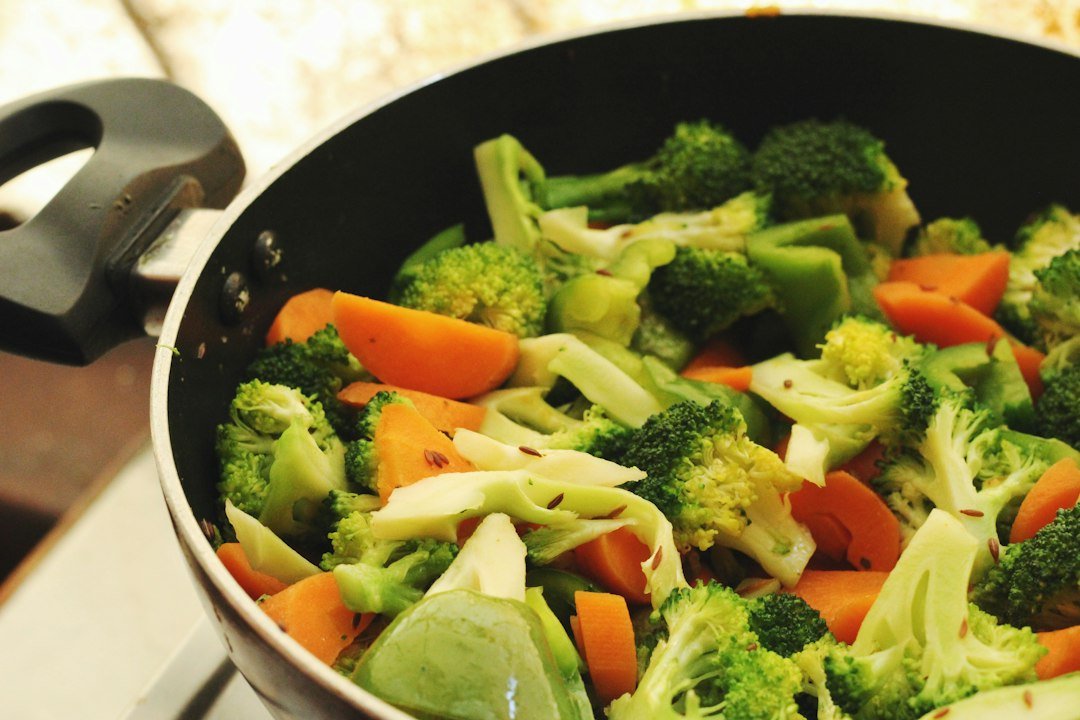
What Makes a Stir Fry Truly Healthy? (And How to Make One Tonight)
A healthy stir fry is a high-heat, quick-cooked dish combining lean protein, colourful vegetables, and a low-sodium sauce that delivers a complete, balanced meal in under 30 minutes. That's the direct answer, and it's also the reason stir fry has become one of the most practical weeknight meals for anyone who cares about eating well without spending an hour in the kitchen.
When you build a stir fry correctly, with a lean protein like chicken breast or firm tofu, a generous pile of fibre-rich vegetables, and a homemade low-sodium sauce, a single serving lands comfortably between 350 and 500 calories with 25 to 35 grams of protein. According to Our Salty Kitchen's healthy chicken stir fry guide, that kind of macro balance is achievable without sacrificing flavour.
One reason the cooking method itself supports good nutrition: high heat above 400°F (200°C) preserves more water-soluble vitamins like vitamin C in vegetables compared to boiling or extended steaming, which leach those nutrients into the water. Wholefully's stir fry resource reinforces that brief, high-heat cooking is one of the better methods for retaining vegetable nutrition.
The nutritional pitfalls in most stir fry recipes aren't hard to spot once you know what to look for. Excess oil, high-sodium bottled sauces, and refined white rice as a base are the three biggest ones, and all three are straightforward to swap. This guide covers multiple protein options (chicken, tofu, shrimp, and beef), vegetarian and vegan variants, homemade low-sodium sauces, and professional techniques from Sophia Garcia's restaurant background. If you're also curious about other healthy high-protein cooking approaches, our guide to the healthiest way to prepare eggs is a great companion read.
How to Make a Healthy Stir Fry: Ingredients, Techniques, and Sauce Recipes
Choose Your Pan First – It Matters More Than You Think
The single most important decision you'll make before any ingredient touches heat is your cookware choice. A carbon steel wok is the professional chef's preferred tool for daily stir frying. It weighs significantly less than cast iron while reaching and holding comparable temperatures, and it develops a natural non-stick surface over time with proper seasoning. Because a well-seasoned carbon steel or cast iron wok requires only 1 to 2 teaspoons of oil per batch (rather than the 2 to 3 tablespoons often needed in non-stick pans), you're reducing the caloric content of your dish from the very first step.
The optimal wok temperature for stir frying sits between 500°F and 600°F (260°C to 315°C). At that range, you get the Maillard reaction and the characteristic smoky 'wok hei' flavour without needing a heavy hand with oil. Our guide to best cookware for induction cooktops covers specific wok and pan recommendations if you're working with an induction burner, which offers excellent precision for hitting and holding those temperatures. If you do opt for cast iron, read our how to clean cast iron guide to keep your seasoning intact.
Understanding how different cooking surfaces and heat sources interact is genuinely useful here. Our microwave vs. convection oven baking comparison is a good example of how matching the right heat method to the right task changes the outcome entirely. The same logic applies to stir frying.
Choosing Your Oil: Smoke Point Is Non-Negotiable
Not every cooking oil can handle stir fry heat. Extra-virgin olive oil has a smoke point of around 375°F (190°C), which means it degrades and produces harmful compounds before your wok even gets hot enough to stir fry properly. Avocado oil, with a smoke point of 520°F (271°C), is the better choice for high-heat cooking. Refined coconut oil (450°F/232°C) is also a solid option. One tablespoon of avocado oil adds about 120 calories and 14g of fat to the entire dish. Divided across four servings, that's just 30 calories and 3.5g of fat per portion, which is genuinely minimal for a complete meal.
Protein Options: Nutritional Breakdown and Preparation Tips
Mom on Timeout's chicken stir fry recipe uses chicken breast as the core protein, and there's good reason it's the most popular choice. Cooked chicken breast delivers approximately 165 calories and 31g of protein per 100g, making it hard to beat on a protein-per-calorie basis. For plant-based meals, firm tofu pressed and patted completely dry comes in at around 76 calories and 8g of protein per 100g and produces a surprisingly similar texture at high heat.
Shrimp offers one of the best protein-to-calorie ratios of any stir fry protein: roughly 99 calories and 24g of protein per 100g cooked, which makes it ideal if you're watching overall calorie intake. For beef, trimmed sirloin sliced thinly against the grain at 2 to 3mm thickness cooks in under 90 seconds at high heat, which prevents it from becoming tough. At about 207 calories and 26g of protein per 100g, it's a flavourful option that fits within a healthy framework when portioned correctly.
Whichever protein you choose, marinate it for at least 15 minutes before cooking. A simple mix of low-sodium tamari, garlic, and a small amount of oil allows the marinade to penetrate the outer layer before high-heat cooking, which means you get genuinely flavourful results without reaching for extra salt later. This approach is similar to the marinating principles we cover in our chicken tortilla soup recipe.
Mise en Place: The Non-Negotiable Restaurant Habit
In restaurant kitchens, mise en place, having every vegetable cut and every protein marinated before the wok reaches temperature, is non-negotiable. Stir frying moves too fast for mid-cook preparation. If you're slicing vegetables while your oil smokes, you've already burned the dish.
Before your wok heats, you'll want all ingredients prepped, measured, and arranged in order of addition. That means sharp knives are essential. Our how to sharpen a kitchen knife guide walks you through the technique, and if you want to invest in the right equipment, our best knife sharpening tools for home chefs covers what's worth buying in 2026. Uniformly cut vegetables cook evenly and look professional. Unevenly cut vegetables produce some pieces that are raw and others that are overdone.
Vegetable Selection and Staggered Cooking Order
Our Salty Kitchen's healthy stir fry breakdown highlights how vegetable variety is one of the things that makes a stir fry genuinely nutritious. Broccoli, snap peas, bell peppers, bok choy, and mushrooms are all excellent choices, but they don't all cook at the same rate. Dense vegetables like broccoli and carrots go into the wok 2 to 3 minutes before leafy greens like bok choy or baby spinach. Bell peppers and snap peas fall in the middle.
If you're making broccoli a key vegetable, our broccoli cheddar soup chef techniques article is a great reference for understanding how broccoli responds to different levels of heat and preparation. The Love and Lemons stir fry recipe offers a useful vegetarian-focused approach to ingredient combinations worth studying for variety. Aim to fill at least 60% of your finished dish with vegetables to keep the macros balanced and the fibre content high.
For more inspiration on fresh-vegetable cooking methods, our potato leek soup chef techniques guide shows how precise vegetable prep translates directly to better flavour and texture in any style of cooking.
The Homemade Low-Sodium Stir Fry Sauce
This is where most home cooks lose the nutritional plot. A standard bottled stir fry sauce can pack 800 to 1,200mg of sodium into a single serving before you've added any other ingredient. Making your own takes four minutes and tastes better.
A reliable, low-sodium homemade sauce uses 2 tablespoons of low-sodium tamari (about 640mg sodium versus 920mg in regular soy sauce), 1 tablespoon of rice vinegar, 1 teaspoon of sesame oil, 1 teaspoon of honey, and 1 teaspoon of freshly grated ginger. That batch serves four people at roughly 60 calories and under 700mg sodium total. Wholefully's stir fry sauce breakdown explains the sauce-building logic in a way that's helpful for beginners.
If you want to go even lower in sodium, coconut aminos are your best option. They contain approximately 270mg of sodium per tablespoon compared to 920mg in standard soy sauce, and they're also soy-free and gluten-free, making them the most accessible sauce base for a wide range of dietary needs. In the final 30 seconds of cooking, add a cornstarch slurry (1 teaspoon of cornstarch dissolved in 2 tablespoons of cold water) to thicken the sauce without adding meaningful calories, only about 10 calories per teaspoon of cornstarch.
Fannetastic Food's mix-and-match stir fry framework is excellent for building variety once you've mastered the base technique. Their approach reinforces that a healthy stir fry doesn't need to follow a fixed recipe. Once you understand the ratios, you can adjust for whatever's in your fridge.
Vegan Stir Fry Option
A vegan stir fry with firm tofu, edamame, broccoli, and a coconut aminos sauce comes in at approximately 320 calories, 22g of protein, 28g of carbohydrates, and 12g of fat per serving. That's a genuinely balanced plant-based meal from a single pan. The key is pressing the tofu for at least 20 minutes before cooking to remove excess water, which allows it to sear rather than steam.
Choosing a Healthy Base
Replacing white rice (glycaemic index of 72) with cauliflower rice saves approximately 150 calories and 32g of carbohydrates per one-cup serving. Brown rice is a middle-ground option, reducing the glycaemic index to around 50 for a steadier blood sugar response, while still providing the texture many people prefer. Either pairing keeps the overall meal well within a healthy calorie range.
Your Healthy Stir Fry Game Plan: Key Takeaways and Next Steps
Every healthy stir fry comes down to three core decisions: choosing the right oil and pan for high-heat cooking, selecting a lean or plant-based protein, and making a low-sodium sauce from scratch rather than reaching for a bottle. Get those three right, and the rest falls into place quickly.
The five habits that separate a genuinely healthy stir fry from a merely acceptable one, drawn from professional kitchen practice, are: complete mise en place before the wok heats, oil with a smoke point above 450°F, proteins sliced uniformly thin, vegetables added in staggered order by density, and the sauce added only in the final 60 seconds. Wholefully's guide and Fannetastic Food's mix-and-match framework both reinforce these principles in their own ways.
On the equipment side, three upgrades make the biggest immediate difference: switching to a carbon steel wok, keeping knives sharp for uniform vegetable cuts, and using an induction burner for precise temperature control. These aren't luxuries. They're the tools that make cooking like this reliably fast and consistently good.
If you're planning a week of healthy meals around this stir fry, our Greek yogurt parfait guide makes a great high-protein breakfast companion, and our split pea soup recipe for stovetop, slow cooker, and Instant Pot is another fibre-rich, produce-forward option for rounding out the week.
At The Top Kitchen, we publish in-depth appliance reviews and chef-authored cooking guides to help you choose the right tools and techniques for meals exactly like this. If you have questions about any of the equipment or methods covered here, you're always welcome to reach out.
Healthy Stir Fry FAQ: Your Top Questions Answered
Q: Is stir fry healthy to lose weight?
Yes, stir fry can be an excellent meal for weight loss. A homemade healthy stir fry with lean chicken breast, tofu, or shrimp, a generous load of non-starchy vegetables like broccoli and bell peppers, and just 1 to 2 teaspoons of avocado oil typically comes in at 350 to 500 calories per serving with 25 to 35g of protein. That high protein and fibre content promotes satiety, helping you feel full longer. The key is avoiding calorie-dense bottled sauces laden with sugar and sodium, using minimal oil with a well-seasoned wok, and pairing the stir fry with cauliflower rice or brown rice rather than refined white rice. Our Salty Kitchen and Fannetastic Food both have useful calorie-conscious approaches worth bookmarking.
Q: What is the healthiest way to stir fry?
The healthiest way to stir fry involves five core principles. First, use a carbon steel or cast iron wok preheated to very high heat (500 to 600°F / 260 to 315°C) so ingredients sear quickly and require less oil. Second, use only 1 to 2 teaspoons of a high-smoke-point oil such as avocado oil rather than the 2 to 3 tablespoons often used in non-stick pans. Third, choose a lean or plant-based protein and marinate briefly. Fourth, fill at least 60% of the dish with colourful, fibre-rich vegetables. Fifth, make your own sauce using low-sodium tamari or coconut aminos. Wholefully covers the method clearly if you'd like a step-by-step walkthrough. For a comparable healthy protein cooking approach with different technique, our slow cooker lamb shanks guide is worth a look.
Q: What is the healthiest stir fry sauce?
The healthiest stir fry sauce is a homemade blend built on coconut aminos or low-sodium tamari. Coconut aminos contain approximately 270mg of sodium per tablespoon compared to 920mg in standard soy sauce, and they're also soy-free and gluten-free. Combine 2 tablespoons of coconut aminos or low-sodium tamari with 1 tablespoon of rice vinegar, 1 teaspoon of sesame oil, 1 teaspoon of raw honey or maple syrup, 1 teaspoon of freshly grated ginger, and 1 clove of minced garlic. A cornstarch slurry added in the final 30 seconds thickens the sauce without significant calories. This version delivers full flavour at roughly 60 calories and under 700mg sodium per batch serving four. Love and Lemons has a similarly balanced sauce formula worth comparing.
Q: Is stir fry actually healthy?
Homemade stir fry is genuinely one of the healthiest cooking methods available. High-heat, short-duration cooking preserves more water-soluble vitamins, such as vitamin C and B vitamins, in vegetables than boiling or long steaming. A well-constructed stir fry delivers lean protein, fibre, complex carbohydrates, and micronutrients in a single pan meal under 500 calories. Restaurant and takeaway stir fry dishes, however, often contain 1,000 to 1,500mg of sodium per serving, 3 to 4 tablespoons of oil, and sugar-heavy sauces that push calorie counts to 800 to 1,200 per portion. The dish itself is healthy. The ingredients and quantities are what determine the outcome. Wholefully sums this up well: a homemade stir fry and a restaurant stir fry can share a name while being nutritionally worlds apart.