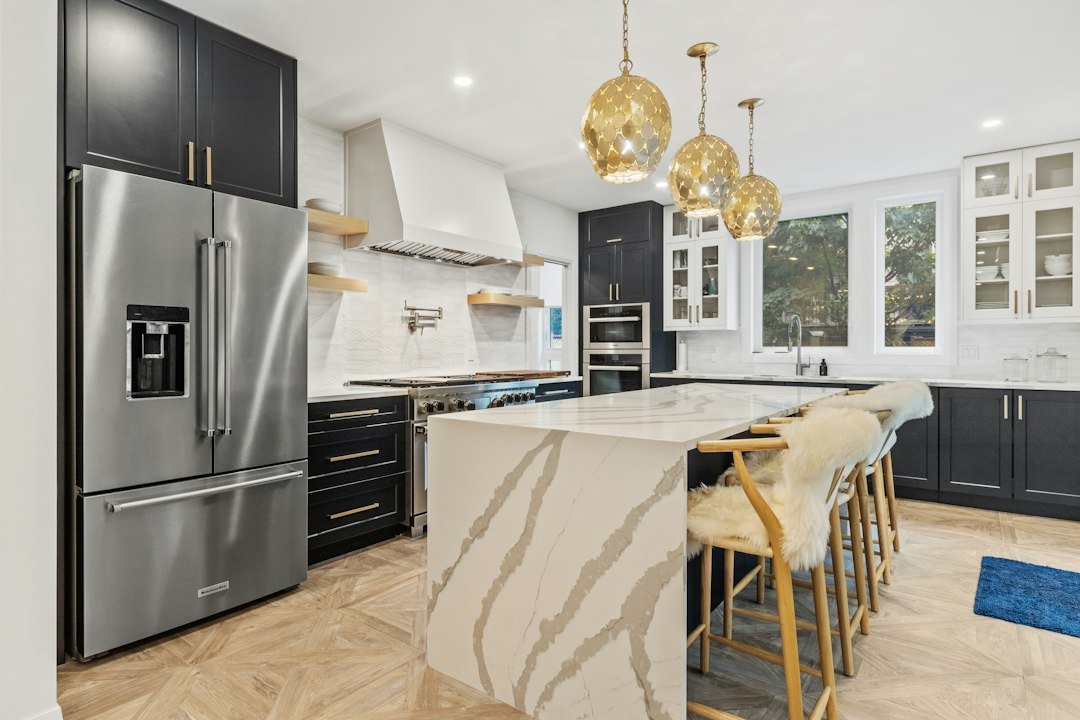
French Door vs Side by Side Refrigerator: The Short Answer
A French door refrigerator is the better choice for most cooks because of its wide shelves, while a side-by-side suits tight aisles and heavy freezer users. If you cook often, entertain, or store wide items like party platters and pizza boxes, French door shelves span the full cabinet width and make that easy. If your kitchen is narrow, or you want quick access to frozen food and a through-the-door dispenser, a side-by-side is the smarter pick.
The sizes overlap. French door models typically measure 30 to 36 inches wide with a freezer drawer at the bottom, and side-by-sides typically measure 33 to 36 inches wide with a vertical freezer column. The main limit on a side-by-side is the fresh-food compartment, which is often only about 10 to 12 inches wide per door. That's what stops a platter or sheet pan from fitting. Both Whirlpool and KitchenAid describe this same trade-off between shelf width and freezer access.
This guide covers capacity, door clearance, energy use, reliability, cost and the models to avoid. It's one step in a wider kitchen appliance buying guide, and we've written it from a professional chef's perspective on how each layout actually works in a busy cooking workflow.
French Door vs Side by Side: Key Differences Compared
Layout at a glance
A French door refrigerator has two narrow fresh-food doors on top and a pull-out freezer drawer below. A side-by-side puts fresh food and the freezer in two tall vertical columns, each with its own door. A third option is the bottom-freezer or top-freezer model, which we cover in our bottom-freezer refrigerator buying guide if you want a simpler, often cheaper alternative.
Comparison table
Here's how the two styles compare on the points shoppers ask about most, using typical ranges rather than exact specs for any single model.
| Feature | French door | Side by side |
|---|---|---|
| Typical price | $1,300 to $4,000+ | $900 to $2,500 |
| Capacity (standard depth) | About 25 to 30 cu ft | About 25 to 30 cu ft |
| Space split | Favors fresh food | Larger freezer share |
| Shelf width | Full cabinet width | About 10 to 12 inches per door |
| Dispenser | Select models | Common, through the door |
| Best fit | Cooks, entertainers, larger households | Narrow kitchens, heavy freezer users |
Side-by-sides generally start lower in price. For brand-specific models and price ranges to shop from, see our refrigerator buying guide with model and price ranges.
Capacity and shelf width
Total capacity is similar, so the real difference is how usable that space is. French door shelves run the full width of the cabinet, so they fit a 16-inch pizza box, party platters and a half sheet pan (about 18 x 13 inches). Side-by-side fresh-food compartments are usually 10 to 12 inches wide, too narrow for most sheet pans and platters, so many of those items have to be tilted or simply won't go in. Thor Kitchen's comparison makes the same point about narrow side-by-side shelves, and owners on r/Appliances often say wide-item storage was what pushed them toward French door.
Door swing and kitchen layout
French doors need less swing clearance because each door is narrow, which helps in galley kitchens and near islands. Side-by-side doors are narrow too, but the freezer door is often tall and heavy. Before you buy, measure the cabinet opening, the door swing and the path from the fridge to the counter. A fridge that fits the hole but blocks your prep route will annoy you daily.
Freezer access and organization
The French door freezer drawer holds bulk items well, but it forces you to bend and dig, and smaller items sink to the bottom. The side-by-side freezer puts everything at eye level, which is great for daily use, but it's narrow. Frozen pizzas and large roasts often don't fit flat.
Dispensers
Side-by-side models usually have a through-the-door ice and water dispenser. It's convenient and saves interior space. French door dispensers are available on select models, often inside the fridge, and they add parts that can fail. If you rarely use ice, skip the feature on either style.
Chef's workflow
In a professional kitchen, we store raw meat on the lowest shelf in a sealed tray, keep produce in the humidity drawers, and put ready-to-eat food above. Full-width French door shelves make that zoning much easier. Narrow side-by-side shelves suit stacked containers and bottles well. Door bins are the warmest spot, so keep condiments there, not eggs. Our guide on how long eggs last in the fridge explains why shelf placement matters.
Temperature consistency
The fridge should hold 37 to 40°F and the freezer 0°F. Our guide to the ideal refrigerator temperature covers why, and our safe refrigerator temperature settings article covers food safety. Stability depends on how often and how many doors you open. Side-by-side units have independent compartments, while French door models open both fresh-food doors and can lose cold air faster. Steady temperatures also protect quality, as we explain in how temperature affects food quality and nutrition.
Energy use
ENERGY STAR-certified models of both types use about 10 percent less energy than the federal minimum. Through-the-door dispensers and ice makers raise consumption slightly. Compare the yellow EnergyGuide label on the specific model rather than choosing by style.
Counter-depth options
Both types come in counter-depth, which sits flush with cabinets but gives up about 3 to 5 cu ft of capacity. Once it's delivered, follow our steps for setting up a counter-depth refrigerator so it holds the right temperature from day one.
Disadvantages and Which Refrigerator to Avoid
French door disadvantages
French door models cost more up front. The bottom freezer drawer requires bending and hides items. Ice makers and water lines can develop faults, and the door seals on the two-door seam can wear. The center seam and extra moving parts raise repair risk over the years.
Side-by-side disadvantages
Narrow compartments mean less usable capacity for large items. Owners also report freezer frost buildup, uneven cooling and dispenser leaks. Isolated cooling failures are a known pattern, and if you ever see it, our guide on what to do when the freezer works but the fridge doesn't is a good first stop.
Which fridge to avoid
Avoid any refrigerator with a poor repair record, too many unused features, or dimensions that don't fit your space. In practice, skip:
- Models with complex features you won't use, like door ice makers and built-in screens.
- First-year redesigns with few reviews.
- Units with a poor record in Consumer Reports reliability surveys.
- Anything too wide for your cabinet opening.
Check owner reviews for recurring compressor, ice maker and sealed-system complaints before buying. Whirlpool's own comparison is a useful baseline for features, and shopper threads on Reddit show the real-world complaints.
Common buyer regrets
The most common regrets are choosing a style for looks rather than cooking habits, not measuring door swing, and ignoring parts and service availability in your area.
Keep it running
Clean the condenser coils twice a year to protect efficiency, using our guide to cleaning the refrigerator coils. If food is freezing in the fridge section, read what to do if your fridge is freezing food before calling a technician.
Buying checklist
- Measure width, height, depth and doorway.
- Check the shelf width.
- Confirm the water line.
- Compare the EnergyGuide label.
- Read the warranty.
- Test the ice maker access.
Which Should You Choose?
Choose a French door refrigerator if you cook often, entertain, buy fresh produce in bulk, and have at least 36 inches of cabinet width. The full-width shelves will pay off every week.
Choose a side-by-side if your kitchen aisle is narrow, you use the freezer daily, or you want a through-the-door dispenser at a lower price.
Match the layout to your habits and measurements, not to trends. A good choice also fits the rest of your kitchen appliance buying guide plan, from counter space to budget. When you're ready to shortlist models, browse our refrigerator reviews and buying guides.
Frequently Asked Questions
Which is better, a French door or a side-by-side fridge?
For most households, a French door fridge is better. Its full-width shelves hold platters, pizza boxes and sheet pans, and the fresh-food section gets more space. A side-by-side is better if your kitchen is narrow, you want a lower price, or you use the freezer daily and want everything at eye level.
What are the disadvantages of a French door refrigerator?
French door models usually cost more, the bottom freezer drawer needs bending and can bury items, and added parts such as ice makers, water lines and door seals can fail. The center seam between the doors can wear and leak cold air over time, a point Whirlpool also touches on in its comparison.
What are the disadvantages of a side-by-side refrigerator?
Side-by-side compartments are narrow, so wide platters, pizza boxes and sheet pans often don't fit. The freezer is also slim, which limits bulk storage. Frost buildup and uneven cooling can occur, and dispenser leaks are a common complaint.
What refrigerator to stay away from?
Avoid models with a poor repair record in reliability surveys, redesigns with few owner reviews, units loaded with features you won't use, and any fridge that doesn't fit your cabinet opening and door swing. Check owner reviews for repeated ice maker, compressor and cooling complaints before you buy.