How to Make an Oat Protein Recipe That Is Actually High in Protein
To make a high-protein oat recipe, cook 1/2 cup rolled oats in milk, then stir in one scoop of protein powder or Greek yogurt. This lifts a 5 g bowl of plain oats to roughly 25-35 g of protein in about five minutes.
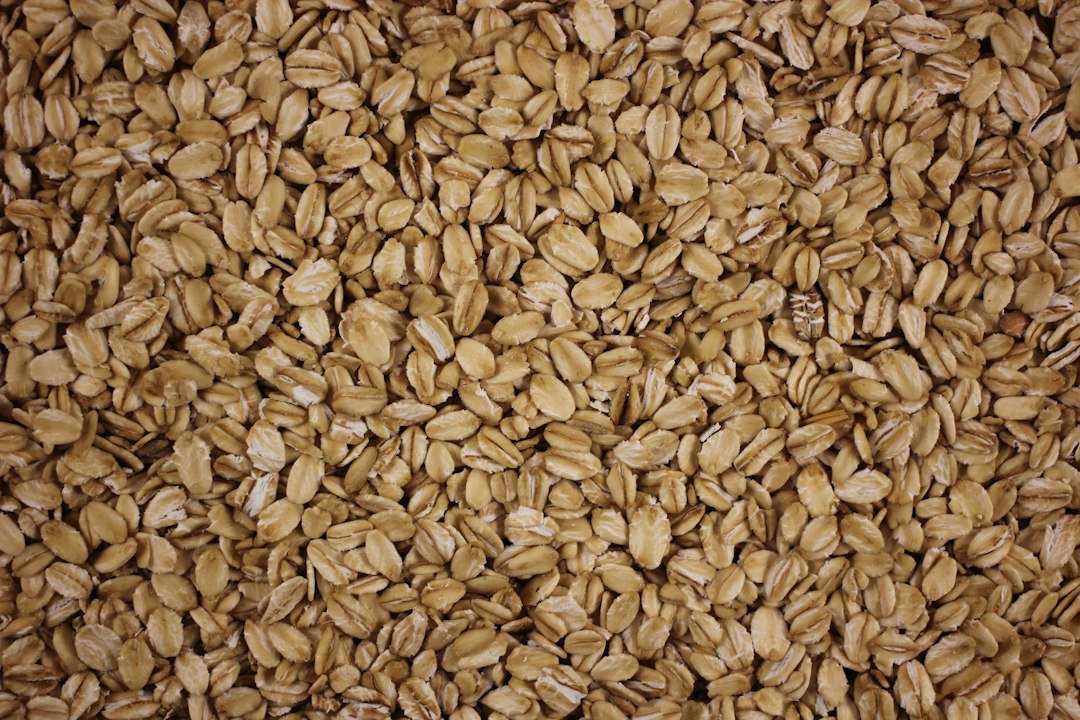
Plain oats are modest on their own. A 1/2 cup (40 g) serving of dry rolled oats has about 5 g of protein according to USDA data, so your add-ins do the heavy lifting. One scoop of powder (20-25 g) or 1/2 cup of Greek yogurt (about 12-14 g) typically lands a bowl in the 25-35 g range. Top-ranking recipes such as this protein oatmeal and this 47 g overnight oats version claim roughly 20-47 g per serving by combining powder, yogurt, milk and seeds. Oh Snap Macros shows similar swaps.
We've organized the recipes below by method (overnight, stovetop, microwave, baked, blended) so you can pick by time and equipment. As a former chef, Sophia Garcia will tell you technique matters as much as ingredients. Most failed protein oats are chalky, clumpy or rubbery because of liquid ratio and heat.
Best Protein Add-Ins and 5 Oat Protein Recipes by Method
The best protein add-ins for oats are protein powder (20-25 g per scoop), Greek yogurt (12-14 g per half cup), cottage cheese (12-14 g), and egg whites (about 13 g per half cup). Here's how the common options compare.
Protein-per-serving comparison
These are approximate USDA-style values per typical serving.
| Add-in | Serving | Protein |
|---|---|---|
| Whey or plant powder | 1 scoop | 20-25 g |
| Nonfat Greek yogurt | 1/2 cup | 12-14 g |
| Low-fat cottage cheese | 1/2 cup | 12-14 g |
| Egg whites | 1/2 cup (about 3 whites) | 13 g |
| Soy milk | 1 cup | 7-8 g |
| Dairy milk | 1 cup | 8 g |
| Hemp seeds | 3 tbsp | 9-10 g |
| Peanut butter | 1 tbsp | 3-4 g |
| Chia seeds | 1 tbsp | 2 g |
If you want to pick a yogurt, our No Sugar Added Greek Yogurt Guide explains what to look for on the label. Cottage cheese works too, and our Cottage Cheese Pancake Recipe Guide shows how well it blends into batters.
Overnight oats
Combine 1/2 cup rolled oats, 1/2 cup milk, 1/2 cup Greek yogurt, 1 scoop powder and 1 tbsp chia. Stir well, cover and chill at least 4 hours. You'll get about 35-40 g of protein and 350-420 calories. The high-end 47 g versions, like the one from Autumn Elle Nutrition, simply add more yogurt and powder. For more ideas, Bake and Bacon's three-way overnight oats is a good reference. If you like layered jars, see our Greek Yogurt Parfait Layering Techniques.
Stovetop oats
Simmer 1/2 cup oats in 3/4 cup milk for 5 minutes. Take the pot off the heat, let it cool for 1 minute, then whisk in the powder. That pause avoids a rubbery texture. Expect about 30 g of protein. A heavy, even-heating pot helps, and our Best Cookware for Induction Cooktop guide covers good options.
Microwave oats
Put 1/2 cup oats and 3/4 cup milk in a large bowl. Cook 2 to 2.5 minutes at 50-70% power so it doesn't boil over, then stir in the powder. Total prep is about five minutes. Chocolate versions report about 31 g protein and 391 calories, as in this Allrecipes roundup. Want a single-serve cake instead? Try our Protein Powder Mug Cake Recipe.
Baked oats
Blend 1/2 cup oats, 1 egg or 1/2 cup egg whites, 1/2 cup cottage cheese or yogurt and 1/2 scoop powder. Pour into a ramekin and bake at 350°F (175°C) for 20-25 minutes. If the edges turn dry, lower the heat. Not sure which oven to use? Our Microwave vs Convection Oven Baking comparison helps. If you enjoy oat baking, the Oat Raisin Biscuits Recipe is a nice companion.
Blended oat protein
Blend oats, milk, a banana and powder into a creamy bowl or smoothie. An immersion blender makes oats silky and prevents clumps.
Slow cooker or Instant Pot steel-cut oats
Use 1 cup steel-cut oats to 3-4 cups liquid. Cook about 4 minutes at high pressure with a natural release. Stir in powder or yogurt after cooking, never before.
Chef techniques that fix texture
Prevent clumping. To stop protein powder clumping, whisk it into a little cold liquid first or stir it into oats that have cooled for a minute off the heat. Whey tightens above about 160°F (70°C), which causes that rubbery texture.
Avoid chalkiness. Plant powders (pea, soy) absorb more liquid, so add 2-4 extra tablespoons and rest the bowl 2 minutes. Whey needs less.
Temper egg whites. Whisk 1/4 cup egg whites with 2 tbsp hot oatmeal, then stir back into the pot over low heat for 1-2 minutes until it reaches 160°F (71°C) for food safety. Or use pasteurized whites. Our Types of Eggs Explained and Healthiest Way to Prepare Eggs cover egg choices and handling.
Dietary variations
- Vegan: soy milk, pea protein and hemp seeds.
- Dairy-free: oat or soy milk with coconut yogurt.
- Gluten-free: use certified gluten-free oats, since regular oats are often cross-contaminated. Our Gluten Free Christmas Biscuit Guide has more on gluten-free baking.
Meal prep and storage
Store oats in airtight glass containers for up to 4-5 days in the fridge. Keep the fridge cold enough, as we explain in our refrigerator temperature guide. Reheat cooked oats for 60-90 seconds with a splash of milk. Cooked oats freeze for up to 3 months.
Many single-method recipes skip storage advice, dietary swaps and liquid ratios. We've included all three here so you can adapt any bowl.
Choosing the Right Oat Protein Recipe for Your Morning
Match the method to your schedule. Overnight or baked oats suit meal prep, the microwave wins on five-minute mornings, and the stovetop or Instant Pot gives the creamiest texture. Aim for 25-30 g of protein at breakfast by combining one powder or dairy source with milk and seeds.
Technique is what separates creamy protein oats from chalky ones: watch the temperature, make a slurry, and adjust liquid. These habits carry over to savory cooking too, like the balanced protein in our Healthy Stir Fry Recipe Guide or the careful heat control in Potato Leek Soup Chef Techniques.
If you're shopping for a blender, microwave or multicooker to suit these recipes, we'd suggest browsing The Top Kitchen's appliance guides and reviews.
Oat Protein Recipe FAQs
What to mix with oats for protein?
Mix oats with protein powder, Greek yogurt, cottage cheese, or egg whites for the biggest boost. Milk or soy milk, nut butter, chia and hemp seeds add smaller amounts. One scoop of powder adds 20-25 g, and half a cup of Greek yogurt adds roughly 12-14 g.
What is Jennifer Aniston's protein breakfast?
Jennifer Aniston has reportedly favored a breakfast smoothie with protein powder, banana, nut butter and collagen, and has also mentioned eggs. Her routine has varied over the years and is not a verified nutrition plan. You can mimic it by blending oats with protein powder and banana.
What did Princess Diana eat for breakfast every morning?
Former royal chef Darren McGrady has said Princess Diana usually ate a bowl of cereal or muesli-style oats with fruit and yogurt, sometimes with toast. Reports vary and exact portions are unknown. Adding Greek yogurt or protein powder makes a similar bowl higher in protein.
How can I make oats high in protein?
Cook oats in milk or soy milk, then stir in protein powder or Greek yogurt off the heat. Top with hemp seeds, chia or nut butter. This can raise a bowl from about 5 g to 25-40 g of protein, depending on portions.