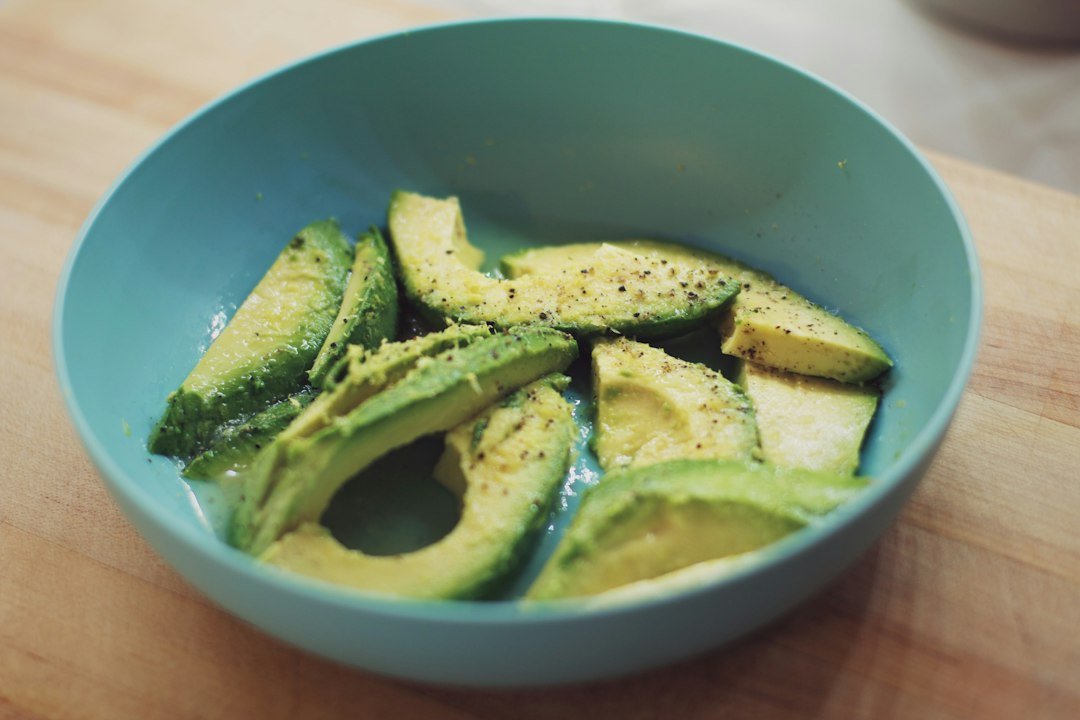
The Best Recipe for Avocado Dressing (Ready in 5 Minutes)
A simple recipe for avocado dressing blends one ripe avocado, 1/2 cup Greek yogurt (or water), 3 tablespoons lime juice, 2 tablespoons olive oil, one small garlic clove, and 1/2 teaspoon salt until smooth. You'll get about 1 cup of dressing in 5 minutes, with no cooking involved.
Homemade avocado dressing has no preservatives and costs far less than bottled versions. Popular recipes like this one from Love and Lemons and this avocado vinaigrette show how flexible the idea is. But many online recipes skip storage, substitution, and troubleshooting advice. We cover all three here.
The dressing works on salads, grain bowls, tacos, and egg dishes, which is why we've included ideas for eggs. If you want more ways to prepare them, see our guide to ways to cook egg.
Our Signature Creamy Avocado Dressing Recipe
This is the version we make most often in our own kitchen. It's thick enough to cling to lettuce, bright enough to wake up roasted vegetables, and forgiving if you adjust it.
Recipe at a Glance
- Prep time: 5 minutes
- Cook time: none
- Yield: about 1 cup (8 servings of 2 tablespoons)
- Calories: roughly 60-70 per serving, mostly from unsaturated fats
Nutrition values are estimates and vary with your ingredients.
Ingredients
- 1 ripe avocado (about 150 g of flesh)
- 1/2 cup plain Greek yogurt
- 3 tablespoons lime juice
- 2 tablespoons extra-virgin olive oil
- 1 small garlic clove
- 1/4 cup cilantro or parsley
- 1/2 teaspoon kosher salt
- 2-4 tablespoons water, to thin
Instructions
- Add the lime juice, olive oil, yogurt, and garlic to your blender first. Liquids at the bottom help the blades catch everything.
- Add the avocado and herbs on top.
- Blend for 30-60 seconds until completely smooth.
- Scrape down the sides, then add water one tablespoon at a time to reach your preferred texture.
- Taste and adjust the salt and acid.
Other cooks follow similar steps, as you can see in this Brazilian-style avocado lime dressing and in this short video walkthrough.
How to Choose a Ripe Avocado
A ripe avocado yields slightly to gentle pressure. Flick off the small stem cap: green underneath means it's ready, while brown means it's overripe and will taste bitter or flat. Hard fruit gives a grassy, thin dressing, so wait a day or two.
Getting a Silky Texture
Silkiness comes from blending the garlic and liquids first, which breaks the garlic down fully, then adding the avocado. Add water a tablespoon at a time. It's easy to thin a dressing, but hard to rescue one that's gone watery.
Balancing Acidity
Start with 2 tablespoons of lime juice and add more until the richness tastes bright rather than heavy. If it turns too sharp, a pinch of honey or maple syrup rounds it out. Acid also matters for color. To keep avocado dressing from browning, add acid such as lime juice, minimize air exposure, and press plastic wrap directly onto the surface.
Consistency Guide
| Use | Extra water | Result |
|---|---|---|
| Dip or spread | None | Thick and scoopable |
| Salad dressing | 2 tablespoons | Creamy, spoonable |
| Drizzle sauce | 3 tablespoons | Pourable |
Equipment
A high-speed blender gives the smoothest result, and it's our first pick. A food processor makes a slightly textured dressing, which many people like on grain bowls. An immersion blender in a tall jar works well for small batches. When comparing options, look at capacity, cleanup, and smoothness.
A sharp knife also matters. It makes cutting avocado, mincing garlic, and chopping herbs cleaner and safer. If yours is dull, read how to sharpen a kitchen knife, or browse our picks for the best knife sharpening tools for home chefs.
Variations
- Cilantro-lime: double the cilantro and add the zest of one lime.
- Greek yogurt (tangier): use 3/4 cup yogurt for more tang and protein.
- Dairy-free: swap the yogurt for 1/4 cup water plus 1 tablespoon tahini, or use a dairy-free yogurt.
- Spicy: add half a jalapeño or 1/4 teaspoon cayenne.
- Ranch-style: add dill, chives, onion powder, and a splash of vinegar.
Choose plain, unsweetened Greek yogurt for the cleanest flavor and the best nutrition profile. Our Greek yogurt no added sugar guide explains how to read labels, and our Greek yogurt parfait layering techniques article shows other ways to use it. For another take on a spreadable version, see this avocado dressing and spread.
Serving Ideas
- A classic Cobb salad (see our Cobb salad recipe and history)
- Taco bowls
- Roasted vegetables
- Rice bowls from our healthy stir fry recipe guide
- Grilled chicken
- Soft or hard-boiled eggs
Avocado and eggs pair well, and preparing eggs in lighter ways keeps the meal balanced. Our guides to healthy ways to make eggs and the healthiest way to prepare eggs are good starting points. For a firm yolk, try our perfect hard-boiling method.
How to Store Avocado Dressing and Keep It Green
Homemade avocado dressing keeps 2-3 days in an airtight container in the refrigerator. Use a small jar so there's little air space, and press plastic wrap directly onto the surface, or add a thin layer of olive oil, to limit oxidation. Keep your fridge at or below 40°F (4°C); our refrigerator temperature settings guide shows how to check it. Discard the dressing if it smells sour or shows mold or off colors beyond surface browning.
If the top browns, scrape off that layer and stir. The color change is mostly cosmetic. This avocado dressing and spread recipe offers similar storage thinking.
You can freeze the dressing in ice cube trays for 2-3 months. Texture may separate, so re-blend after thawing. Dairy-free versions freeze better.
Quick fixes:
- Too thick: add water or lime juice a teaspoon at a time.
- Too thin or bland: blend in more avocado and a pinch of salt.
If you add eggs to the recipe or the meal, check freshness first with our guide on how long eggs are good in the refrigerator.
Final Thoughts on Making Avocado Dressing at Home
Ripe avocado, bright lime, a creamy base, and a good blender are the keys to a silky dressing. Start with our base recipe, then adapt it into cilantro-lime, dairy-free, spicy, or ranch-style versions as you learn what you like. For a blender or knife that suits your kitchen, we recommend browsing our appliance reviews and how-to guides at The Top Kitchen.
Avocado Dressing FAQs
How long does homemade avocado dressing last?
Homemade avocado dressing lasts about 2-3 days in an airtight container in the refrigerator at or below 40°F (4°C). Press plastic wrap onto the surface to slow browning, and discard it if it smells sour or looks moldy.
Can you freeze avocado dressing?
Yes. Freeze it in ice cube trays for up to 2-3 months, then thaw in the fridge and re-blend. Yogurt-based dressings may separate, so dairy-free versions usually freeze better.
How do you thicken or thin avocado dressing?
To thicken, blend in more avocado or a spoonful of Greek yogurt. To thin, add water or lime juice one tablespoon at a time while blending until it pours the way you want. Taste and re-season afterward.
How do you stop avocado dressing from turning brown?
Use enough lime or lemon juice, blend only when needed, and store in a small airtight jar with plastic wrap pressed on the surface. A thin layer of olive oil also limits air contact.
What is a dairy-free substitute in avocado dressing?
Replace Greek yogurt with water plus a tablespoon of tahini, or use an unsweetened plant-based yogurt. Extra olive oil and a little more avocado keep the dressing creamy.
What can you use avocado dressing on?
Use it on green salads, Cobb salad, grain and stir-fry bowls, tacos, grilled chicken or fish, roasted vegetables, and eggs. Thicker batches also work as a dip or sandwich spread.