Ways to Cook an Egg: 14 Methods Every Home Cook Should Know
There are exactly 14 widely recognized ways to cook an egg, including hard-boiled, soft-boiled, poached, over easy, scrambled, omelette, baked/shirred, microwave scrambled, microwave poached, sous vide, coddled, Instant Pot, cloud eggs, and en cocotte. That's a serious range of options for a single ingredient that costs less than a dollar.
Each method produces a completely different eating experience. A hard-boiled egg gives you a firm, sliceable yolk. A poached egg delivers a runny, silky center. An over easy fried egg lands somewhere in between, with a set white and a yolk that breaks the moment you pierce it. As Breakfast with Nick points out, the sheer number of preparations is part of what makes eggs so endlessly useful in the kitchen.
Eggs are also one of the most protein-dense whole foods you'll find, delivering about 6 grams of complete protein per large egg, meaning they contain all nine essential amino acids. Country Roads Magazine notes that culinary tradition credits the 100 pleats in a chef's toque to the 100 ways an egg can be cooked, a nod to how deeply this ingredient is woven into culinary history.
Knowing more than one technique means you can match texture, flavor, and nutrition to any meal, whether that's a quick weekday breakfast, a light lunch, or an elegant dinner.
What You Need Before You Start: Equipment, Ingredients, and Safety
Getting your setup right before you crack a single egg makes every method go more smoothly. Here's what you'll want on hand.
Pan selection matters. A non-stick or well-seasoned cast iron skillet is the most versatile option for frying, scrambling, and omelettes. If you're using cast iron, check out our guide on how to clean cast iron to keep the surface in good condition. For poaching, you'll need a wide, shallow saucepan that can hold at least 3 inches of water so the egg has room to float freely without touching the bottom. If you're shopping for new pans, induction-compatible cookware heats eggs more evenly and gives you better temperature control than standard gas or electric coil setups, which is especially helpful for delicate preparations like poaching and scrambling.
Egg freshness counts. Fresh eggs poach and fry better than older ones because the whites are tighter and hold their shape around the yolk. Store your raw eggs at or below 40°F (4°C), and review our article on refrigerator temperature settings and food safety to make sure your fridge is dialed in correctly.
A sharp knife helps more than you'd think. A sharp paring knife lets you crack eggs cleanly over a bowl and slice cooked eggs without tearing the white. Our knife sharpening guide covers exactly how to get there.
Don't skip kitchen safety. High-heat methods like pan-frying in oil carry real fire risk. Keep a fire extinguisher accessible; our guide on why you need a kitchen fire extinguisher explains what to look for. Downshiftology and What's for Dinner both emphasize that a calm, organized prep station is the single biggest factor in cooking eggs well, regardless of the method you choose.
14 Ways to Cook an Egg: Step-by-Step Instructions for Every Method
Here's a complete breakdown of all 14 methods. We've covered the key steps, timing, and what to expect from each one.
1. Hard-Boiled
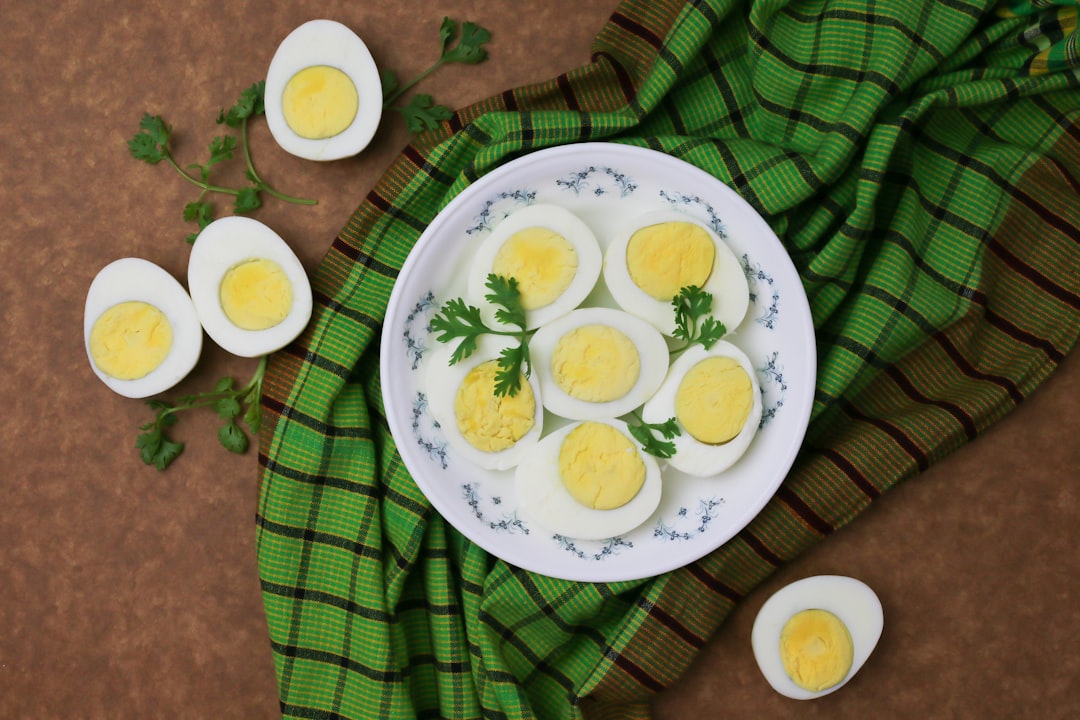
Lower eggs gently into boiling water and cook for 10 to 12 minutes. Transfer them immediately to an ice bath for 5 minutes. The cold water stops the cooking and makes the shells peel cleanly. Skipping the ice bath is what causes that grey-green ring around the yolk. For a deeper look at timing variations, see our guide on how long to boil eggs.
2. Soft-Boiled
Same starting method as hard-boiled, but pull the eggs out at 6 to 7 minutes. The white is fully set, but the yolk is jammy and slightly runny in the center. An ice bath still applies here to stop the carry-over cooking.
3. Poached
To poach an egg correctly, bring water to a gentle simmer, around 180°F (82°C). A rolling boil will shred the white before it sets. Add one tablespoon of white vinegar to the water, which tightens the egg white faster and produces a neater shape. Create a gentle whirlpool with a spoon, crack the egg into a small cup first, then slide it into the center of the swirl. Cook for 3 to 4 minutes. As What's for Dinner explains, the whirlpool technique wraps the white around the yolk naturally, giving you a cleaner result without a poaching pod.
4. Over Easy (Fried)
To cook over easy eggs, melt butter in a pan over medium heat. Crack the egg in and cook for about 2 minutes until the white is set. Flip carefully using a thin spatula, then cook for just 30 seconds on the second side so the yolk stays fully runny. Serve immediately. The key difference from sunny-side up is that single flip. As Downshiftology notes, over medium and over hard follow the same process but with longer flip-side cooking times (1 to 2 minutes and 2 to 3 minutes respectively).
5. Scrambled
Beat eggs in a bowl with a pinch of salt. Cook them in butter over medium-low heat, stirring constantly with a spatula. Low and slow is the rule here. High heat makes them rubbery and dry. Gentle, consistent movement over lower heat produces a creamy, custardy texture. Breakfast with Nick recommends pulling the pan off the heat while the eggs are still slightly wet, letting carry-over heat finish the job.
6. Classic French Omelette
Beat 2 to 3 eggs with salt. Heat butter in a skillet over medium-high heat until foamy. Pour in the eggs and let them set for about 10 seconds, then use a spatula to push the cooked edges toward the center, tilting the pan to let raw egg flow to the edges. The whole process takes under 2 minutes. Fold the omelette before any browning appears on the surface, which is what separates a French omelette from an American one.
7. Baked (Shirred)
Butter a ramekin, crack one or two eggs into it, and season. Bake at 375°F (190°C) for 12 to 15 minutes until the whites are just set but the yolk is still soft. You can add cream, cheese, or herbs before baking. This is a low-effort method that delivers elegant results.
8. Microwave Scrambled
To make microwave eggs, crack two eggs into a microwave-safe mug, add a splash of milk, and whisk. Microwave on full power in 30-second intervals, stirring between each. After about 90 seconds total, you'll have fluffy scrambled eggs. This is a great option when you don't want to wash a pan. Understanding microwave vs. convection oven baking can help you decide when a microwave is the right tool versus when the oven gives better results.
9. Microwave Poached
Add half a cup of water to a microwave-safe bowl or ramekin. Crack one egg into the water. Cover the bowl with a microwave-safe plate and cook on 80% power for 60 to 90 seconds. Check at the 60-second mark. The white should be set and the yolk still runny. For a full walkthrough of this method, our detailed guide on how to do a poached egg in the microwave covers every variable.
10. Sous Vide
Set your sous vide circulator to 145°F (63°C). Submerge the whole, uncracked egg in the water bath and cook for 45 to 60 minutes. The result is a custard-like white and a warm, silky yolk with a consistency that's impossible to replicate on a stovetop. Country Roads Magazine highlights sous vide as one of the methods that pushed egg cookery into genuinely new territory over the past decade. This method requires patience, but the consistency is unmatched.
11. Coddled
Butter the inside of a coddler jar (a small, lidded ceramic or glass container). Crack the egg in, season, and add any extras like cream or herbs. Seal the lid and submerge the jar in barely simmering water, keeping the water level below the lid. Cook for 7 to 8 minutes. The result is softer than a hard-boiled egg but more set than a poached one, with a gentle, creamy texture.
12. Instant Pot
The 5-5-5 method works reliably every time. Place eggs on the trivet with 1 cup of water in the pot. Cook on high pressure for 5 minutes, allow a 5-minute natural release, then transfer to an ice bath for 5 minutes. The shells slide off with almost no effort. Our guide on the Instant Pot hard-boiled eggs method explains why this approach consistently outperforms stovetop boiling for large batches.
13. Cloud Eggs
Separate the yolks from the whites. Beat the whites to stiff peaks with a pinch of salt. Spoon mounds of white onto a lined baking sheet and press an indent into each center. Bake at 450°F for 3 minutes, then add the yolk to the indent and bake for 3 more minutes. The whites become crisp and meringue-like on the outside while staying marshmallowy inside. It's one of the more visually striking ways to serve eggs, and the technique is covered well in this YouTube tutorial on egg cooking methods.
14. En Cocotte (Eggs in a Pot)
Crack eggs into a small oven-safe dish with a drizzle of cream and a scattering of fresh herbs. Place the dish inside a larger baking pan and fill the outer pan with hot water to create a water bath. Bake at 325°F (165°C) for 12 to 14 minutes. The water bath ensures gentle, even heat so the whites set without becoming rubbery. This is a classic French bistro preparation that feels far fancier than the effort involved.
Chef-Level Tips, Common Mistakes, and Troubleshooting
Even experienced cooks run into the same problems with eggs. Here's how to fix them before they happen.
Pull eggs from the fridge early. Room-temperature eggs poach more evenly than cold ones straight from the refrigerator. Ten minutes on the counter before cooking makes a noticeable difference, especially for poaching.
Preheat your pan properly. If your fried egg white spreads out thin and flat, your pan wasn't hot enough before you added the egg. Preheat for at least 90 seconds over medium heat. You can test readiness by flicking a few drops of water into the pan; they should evaporate immediately.
Low heat for scrambled eggs, always. Rubbery scrambled eggs are almost always a heat problem. Drop the burner to medium-low and keep the eggs moving constantly. As Downshiftology puts it, scrambled eggs should look underdone when you pull them off the heat, because they'll finish cooking in the pan.
Use a slotted spoon for poached eggs. Tongs puncture the white and release the yolk. A wide slotted spoon supports the whole egg and lets the water drain before you transfer it to the plate.
For the cleanest omelette, swirl, don't stir. Once the eggs begin to set, swirl the pan in a circular motion rather than using a spatula. This encourages even setting without tearing the surface.
Always pierce a whole egg before microwaving. If you're microwaving a whole egg (not beaten), pierce the yolk with a toothpick first. Steam builds up inside and the egg will explode without that release point.
Don't leave cooked eggs out. Cooked eggs left at room temperature for more than 2 hours should be discarded. Bacteria multiply rapidly above 40°F. Our guide on how long eggs are good in the refrigerator has the full storage breakdown. What's for Dinner also recommends labeling cooked eggs in the fridge with the date so you're never guessing.
Frequently Asked Questions About Ways to Cook an Egg
Q: What are the 12 ways to cook an egg?
The 12 most recognized ways to cook an egg are: (1) hard-boiled, (2) soft-boiled, (3) poached, (4) scrambled, (5) sunny-side up fried, (6) over easy, (7) over medium, (8) over hard, (9) baked/shirred, (10) omelette, (11) coddled, and (12) steamed. Each method produces a distinct texture and flavor profile by varying heat level, cook time, and whether the egg is in or out of the shell.
Q: What are the 100 different ways you can cook an egg?
When culinary historians and chefs account for regional variations, international preparations (such as Japanese tamago, Turkish çılbır, and French en cocotte), technique combinations, and equipment-specific methods (sous vide, Instant Pot, air fryer), the total number of ways to cook an egg exceeds 100. The traditional claim that a chef's toque has 100 pleats, one for each egg preparation, reflects this remarkable versatility. As Country Roads Magazine documents, core categories include boiled, fried, poached, scrambled, baked, steamed, and cured, each branching into dozens of sub-techniques.
Q: Can eggs help with muscle recovery?
Yes. Eggs are a complete protein source, meaning they contain all nine essential amino acids your muscles need for repair and growth after exercise. A single large egg delivers approximately 6 grams of high-quality protein, and research consistently shows that whole eggs stimulate muscle protein synthesis more effectively than egg whites alone, largely due to nutrients in the yolk such as leucine, zinc, and healthy fats that support the recovery process.
Q: What are the 7 types of egg cooking?
Classical culinary training recognizes 7 foundational types of egg cooking: (1) boiled, hard or soft, in the shell; (2) poached, cracked into simmering water; (3) fried, sunny-side up, over easy, over medium, or over hard; (4) scrambled, beaten and cooked in a pan with constant movement; (5) baked/shirred, cracked into a dish and oven-cooked; (6) omelette, beaten, cooked flat, and folded; and (7) coddled, gently steamed in a sealed jar in hot water. As Breakfast with Nick notes, these seven categories underpin virtually every egg preparation found across world cuisines.