How Long to Boil Eggs for Hard Boiled Eggs (Quick Answer + Full Guide)
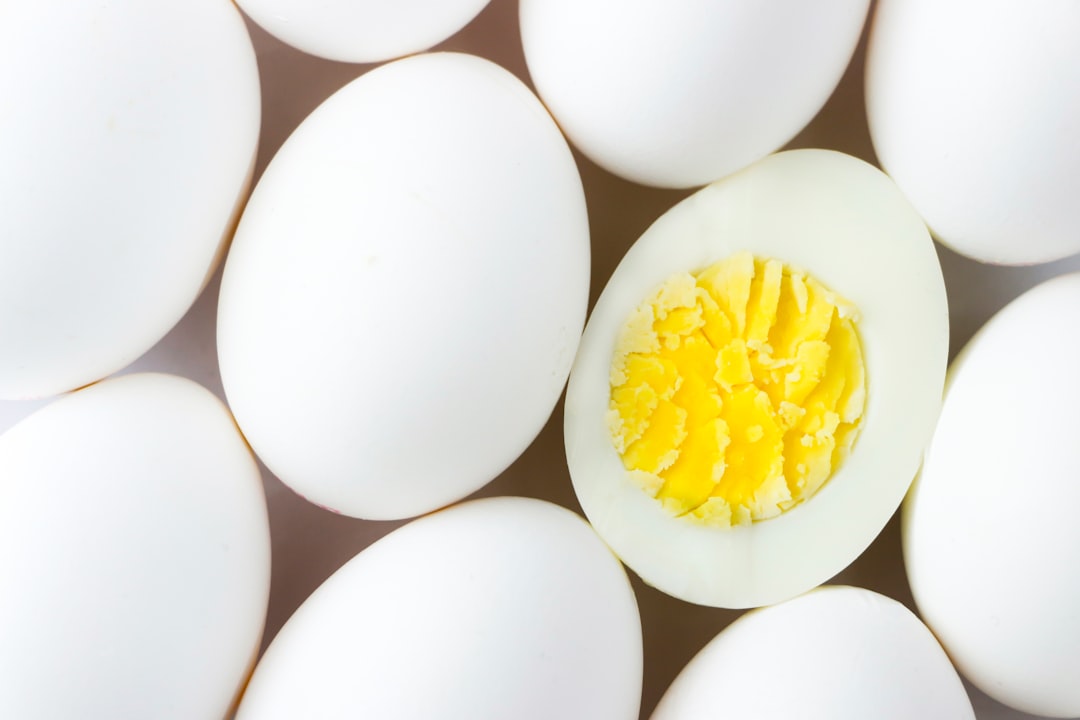
For a fully hard boiled egg with a completely set, pale yellow yolk and no green ring, boil your eggs for exactly 12 minutes after the water reaches a full rolling boil. That's the number to memorize. Transfer them to an ice bath immediately when time is up, and you'll have perfect results every single time.
That said, not every egg dish calls for a fully set yolk. Soft boiled eggs with a runny, liquid center take just 6 minutes. Jammy medium eggs with a slightly fudgy yolk take 9 minutes. And fully hard boiled eggs take 12 minutes. The method you choose also matters: whether you start eggs in cold water or lower them into already-boiling water changes your timing by 1 to 2 minutes and affects how reliably your eggs peel afterward.
One step that home cooks frequently skip is the ice bath. Transferring eggs to ice water the moment they finish cooking stops the process instantly, prevents that greenish-gray ring around the yolk, and makes peeling dramatically easier. Don't skip it.
The type of stove you use also plays a role. Gas, electric, and induction burners all reach boiling temperatures at different speeds, which indirectly affects your total time at the stove. RecipeTin Eats and The Incredible Egg both confirm that timing precision is the single biggest factor in consistent results. For more kitchen how-to guides covering everything from egg prep to cookware care, we've got you covered.
What You Need Before You Start Boiling Eggs
Getting great hard boiled eggs starts before the water hits the stove. Having the right equipment and the right eggs makes the process predictable rather than a guessing game.
The pot: Choose a medium or large saucepan that fits your eggs in a single layer without crowding. When eggs stack or jostle against each other during boiling, you get uneven cooking and a higher risk of cracked shells. The right saucepan for boiling eggs doesn't need to be expensive, just wide enough to hold your eggs flat.
Egg size: All the timing references in this guide are calibrated for large eggs, which is the standard grocery store size. If you're using jumbo eggs, add 1 minute. Medium eggs need 1 minute less. Mixing sizes in the same pot will give you inconsistent results.
Egg age: This one surprises people. Eggs that are 7 to 10 days old peel significantly more easily than very fresh eggs. That's because the pH of the whites rises over time, which reduces how tightly the shell membrane clings to the cooked white. If you've ever struggled to peel a fresh egg and ended up with a cratered mess, egg age is almost always why. As Reddit's cooking community has noted, this is one of the most common frustrations with home hard boiling.
Starting temperature: For the cold-water-start method, eggs straight from the refrigerator are actually preferable. Cold eggs heat up gradually alongside the water, which reduces thermal shock and cracking. You can check how long eggs stay fresh in the refrigerator to make sure yours are still good before you start.
Tools you'll need:
- A kitchen timer accurate to the second (your phone works perfectly)
- A slotted spoon for lowering and lifting eggs
- A bowl of ice water large enough to fully submerge the eggs
One bonus tip from RecipeTin Eats and confirmed by The Incredible Egg: adding 1 teaspoon of white vinegar per quart of water helps seal minor cracks if an egg splits during cooking, so the white doesn't billow out into the pot.
Finally, keep your cooktop in mind. Induction and gas burners bring water to a boil faster than standard electric coil burners, sometimes cutting 2 to 4 minutes off your wait time depending on wattage. This doesn't change your egg timing once the water is boiling, but it's good to know when you're planning your cook.
How to Hard Boil Eggs: Step-by-Step Instructions with Exact Times
There are two reliable methods for hard boiling eggs. Both work well, but the boiling-water-start method gives more precise, repeatable results because you eliminate the variable of how long your particular stove takes to bring water to a boil.
Doneness Reference Table
| Doneness | Boiling-Water Start | Cold-Water Start |
|---|---|---|
| Soft boiled (runny yolk) | 6 minutes | 8 minutes |
| Jammy/medium (fudgy yolk) | 9 minutes | 11 minutes |
| Hard boiled (fully set yolk) | 12 minutes | 14 minutes |
Method 1: Cold-Water Start
Step 1. Place your eggs in a single layer in a saucepan. Don't stack them.
Step 2. Cover with cold water by about 1 inch above the eggs.
Step 3. Place the pot on the burner and bring to a full rolling boil over medium-high heat.
Step 4. The moment you see a full rolling boil, reduce the heat to maintain a gentle, steady boil and start your timer. For fully hard boiled eggs, set it for 14 minutes.
Step 5. When time is up, use a slotted spoon to transfer eggs immediately to a bowl of ice water. Leave them there for at least 5 minutes.
Method 2: Boiling-Water Start (Recommended)
Step 1. Fill a saucepan with enough water to fully submerge your eggs and bring it to a full boil.
Step 2. While the water heats, give your refrigerator-cold eggs a 30-second rinse under warm tap water. This slightly reduces thermal shock when they hit the boiling water.
Step 3. Use a slotted spoon to gently lower the eggs into the boiling water one at a time.
Step 4. Start your timer the moment the last egg goes in. For fully hard boiled eggs, set it for 12 minutes.
Step 5. Transfer eggs to an ice bath immediately when the timer goes off. Let them sit for at least 5 minutes before peeling.
Why the Ice Bath Matters So Much
Skipping the ice bath is the single most common reason hard boiled eggs turn out with a greenish-gray ring around the yolk. That ring is iron sulfide, a compound that forms when eggs are overcooked past 14 minutes or left sitting in hot water after cooking. Natasha's Kitchen explains this well visually, and The Incredible Egg confirms it's purely an aesthetic issue: the egg is safe to eat, but it's a sign things went a little too long.
The ice bath also causes the shell membrane to contract slightly away from the egg white, which is exactly what makes peeling easier. Residual heat inside the egg keeps cooking the yolk for up to 3 additional minutes after you pull the egg from the water, so stopping that carry-over cooking isn't optional if you want precision.
How to Peel Hard Boiled Eggs
Gently crack the egg all over by rolling it on a hard surface. Then peel it under a thin stream of running cold water, starting from the wide, air-pocket end. The water gets under the membrane and helps it release cleanly. As noted in RecipeTin Eats' boiling guide and echoed in the r/cookingforbeginners community, starting at the wide end is consistently more effective than starting at the pointed tip. Once peeled, you'll want a sharp knife for slicing hard boiled eggs cleanly so the yolk doesn't crumble.
Cooking at High Altitude
If you're above 3,500 feet, water boils at a lower temperature than 212°F (100°C). At 5,000 feet, it boils at roughly 202°F (94°C). That lower temperature transfers heat to the egg more slowly, so add 1 to 2 extra minutes to your timing regardless of which method you're using.
Batch Boiling Tips
When boiling more than 6 eggs at once, use a wider pot and keep everything in a single layer. Don't stack eggs. The goal is for every egg to sit in water at the same temperature, which only works when they're not crowded.
Chef's note from Sophia Garcia: For restaurant-level consistency when making a dozen or more eggs, the boiling-water-start method with a single digital timer is the way to go. The shell color never changes during cooking, so visual cues are useless. Your timer is the only reliable doneness indicator.
If you're interested in other egg cooking methods that don't require a stovetop, we've also covered how to poach an egg in the microwave as a quick alternative when you're short on time.
Pro Tips to Get Perfect Hard Boiled Eggs Every Time
Even with the right timing, a few technique details separate consistently great eggs from hit-or-miss results.
Keep the boil gentle after the initial rolling boil. A violent, full rolling boil throughout the entire cook time increases the chance of shells cracking as eggs knock together and experience thermal stress. Once you've started your timer, reduce heat to maintain a steady, moderate boil. On a gas stove, that means turning the flame down to medium-low. On an induction cooktop, drop to 60 to 70% power.
Add baking soda to the water for easier peeling. One teaspoon of baking soda added to the boiling water raises the water's pH, which loosens the shell membrane. This is especially helpful when you're working with very fresh eggs and don't have the luxury of waiting a week for them to age. RecipeTin Eats and Natasha's Kitchen both point to this as a practical workaround for the fresh-egg peeling problem.
Don't skip the warm-water rinse if using the boiling-water-start method. Cold eggs dropped directly into boiling water are more prone to cracking from the sudden temperature change. A 30-second rinse under warm tap water reduces that risk meaningfully without affecting your timing.
Avoid rubbery whites by controlling heat. Tough, rubbery egg whites come from cooking at too high a temperature for too long. Reducing to a gentle simmer after the water reaches a boil keeps the whites tender and firm rather than bouncy.
Use the float test to assess egg age before cooking. Fresh eggs sink flat to the bottom of a bowl of water. Older eggs with a larger air pocket float slightly. An egg that floats very high or bobs at the surface should be discarded, as it may have spoiled. Eggs that stand upright on the bottom or tilt at a slight angle are ideal for boiling: old enough to peel well, still fresh enough to eat.
Storage after cooking: Unpeeled hard boiled eggs last up to 7 days in the refrigerator. Peeled eggs stored submerged in cold water, with the water changed daily, keep well for up to 5 days. As The Incredible Egg recommends, never leave hard boiled eggs at room temperature for more than 2 hours.
Label your batch. Sophia Garcia's tip for anyone doing meal prep: mark the shell with a date using a food-safe pen. Hard boiled eggs and raw eggs look identical in the refrigerator, and mixing them up causes real problems.
Frequently Asked Questions About Boiling Eggs
Q: How long do you boil eggs for hard boiled eggs?
Boil eggs for 12 minutes for fully hard boiled eggs using the boiling-water-start method. Lower eggs into already-boiling water, start your timer immediately, and transfer to an ice bath as soon as time is up. If you start eggs in cold water, bring to a boil first, then time for 14 minutes from when the water starts boiling. As the r/cookingforbeginners community confirms, precision with timing is what separates a great hard boiled egg from an overcooked one.
Q: What is the difference between soft, medium, and hard boiled eggs in terms of timing?
Using the boiling-water-start method: soft boiled eggs with a fully runny yolk take 6 minutes; medium jammy eggs with a fudgy, slightly soft golden center take 9 minutes; and fully hard boiled eggs with a completely set pale yellow yolk take 12 minutes. Each stage produces visually and texturally distinct results.
Q: Why does my hard boiled egg have a green ring around the yolk?
The greenish-gray ring is iron sulfide, which forms when eggs are overcooked beyond about 14 minutes or are left sitting in hot water after cooking without an ice bath. It's completely safe to eat, but it signals the egg was cooked too long or cooled too slowly. Hard boiled eggs are done after 12 minutes in boiling water: any longer risks a rubbery texture and that greenish-gray yolk ring. Stick to 12 minutes and always use an immediate ice bath to prevent it. The Incredible Egg confirms this is a purely cosmetic issue with no food safety concern.
Q: Why won't my hard boiled eggs peel easily?
Very fresh eggs are notoriously difficult to peel because the inner membrane clings tightly to the white at a low pH. Use eggs that are at least 7 to 10 days old when possible. Also make sure to use an ice bath immediately after boiling, peel under running cold water, and start peeling from the wider air-pocket end of the egg. Adding a teaspoon of baking soda to the boiling water also helps loosen the membrane.
Q: Do I need to adjust boiling time at high altitude?
Yes. Above 3,500 feet in elevation, water boils at a lower temperature than the standard 212°F (100°C) at sea level. At 5,000 feet, water boils at roughly 202°F (94°C), which slows the cooking process. Add 1 to 2 extra minutes to your boiling time depending on your altitude to achieve the same doneness you'd get at sea level.
Q: Can egg size affect how long I need to boil eggs?
Yes. The standard 12-minute time is calibrated for large eggs. For medium eggs, reduce boiling time by about 1 minute, so 11 minutes total. For jumbo eggs, add 1 extra minute, so 13 minutes. Always adjust by egg size to avoid under- or over-cooking.
Q: How long do hard boiled eggs last in the refrigerator?
Hard boiled eggs in their shells last up to 7 days in the refrigerator. Peeled hard boiled eggs should be stored submerged in a bowl of cold water and last up to 5 days if you change the water daily. Never leave hard boiled eggs at room temperature for more than 2 hours. For more detail on egg storage and freshness, see our guide on how long hard boiled eggs last in the refrigerator.