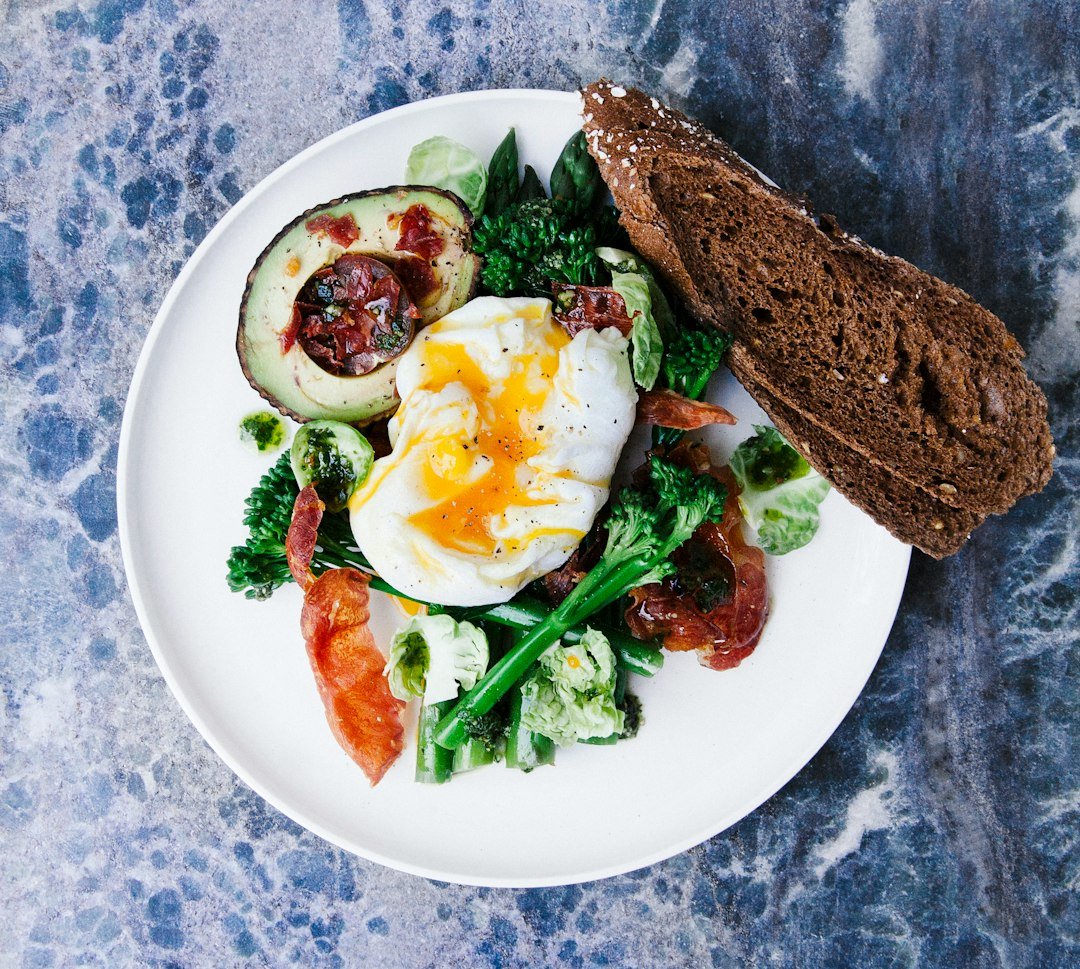
What Are the Healthiest Ways to Make Eggs?
The healthiest ways to make eggs are poaching, soft or hard boiling, and steaming. They need no added fat, they use gentle heat that limits cholesterol oxidation, and they keep a large egg near 70-78 calories with about 6 g of protein, based on USDA figures. A large egg fried in 1 teaspoon of oil or butter climbs to roughly 90-100 calories.
Method matters more than most people expect. Higher-heat, longer cooking such as frying can oxidize some of the cholesterol in the yolk and reduce certain nutrients. Healthline's overview of healthy eggs covers the nutrition side, and Integrative Nutrition's look at the healthiest way to cook eggs backs up the preference for gentler, water-based cooking.
One rule applies to every method: always cook your eggs. Cooked egg protein is absorbed far better than raw egg protein, so skipping the heat doesn't make an egg healthier.
This guide gives you timings, temperatures, appliance settings and oil-free tips, all tested the way a professional chef would test them and written for beginners. If you want a quick comparison first, see our post on the healthiest way to prepare eggs, or browse more ways to cook an egg once you've got the basics down.
What You Need Before You Start: Eggs, Equipment and Safety
Choose good eggs
Start with fresh eggs. The egg float test is a quick check: a fresh egg sinks and lies flat in a bowl of water. Egg type also matters a little. Conventional, pasture-raised and omega-3 enriched eggs differ in fat profile and price, and our guide to types of eggs explained breaks that down. If you want a premium option, the Vital Farms egg buyer's guide is a good place to start. Still, cooking method changes your added calories far more than egg type does.
Equipment checklist
You don't need much. Here's what we use:
- Nonstick or ceramic skillet
- Silicone egg poaching cups
- Muffin tin with silicone liners
- Steamer basket or Instant Pot trivet
- Air fryer
- Microwave-safe bowl and a saucer
- Egg cooker (optional)
- Instant-read thermometer
Food safety basics
Cook eggs until the whites are fully set and the yolks begin to thicken. The USDA recommends 160°F (71°C) for egg dishes and dishes made with eggs, and Healthline's egg guide also stresses safe handling. Pregnant people, older adults, young children and anyone with a weakened immune system should use pasteurized eggs or cook yolks completely.
Keep your fridge at 40°F (4°C) or below. Our refrigerator temperature settings guide shows how to check yours. Use raw eggs within 3-5 weeks and hard-boiled eggs within 7 days.
How to Make Eggs Healthy: 7 Methods Step by Step
To make a healthy egg: poach at 180-190°F for 3-4 minutes, boil 6-7 minutes (soft) or 10-12 minutes (hard), or steam 12 minutes. None requires added fat. Here's each method in detail.
Step 1: Poached eggs
- Fill a pot with a few inches of water and heat it to 180-190°F (small bubbles, no rolling boil).
- Add a splash of vinegar.
- Crack the egg into a small cup, then slide it gently into the water.
- Cook 3-4 minutes for a runny yolk and lift out with a slotted spoon.
That's about 72 calories with zero added fat.
Step 2: Soft-boiled and hard-boiled eggs
- Lower cold eggs into boiling water with a spoon.
- Cook 6-7 minutes for soft, or 10-12 minutes for hard.
- Move them to an ice bath for 1 minute (soft) or a few minutes (hard).
Both land at 70-78 calories. Our guides on how to boil eggs perfectly and how to hard boil eggs perfectly cover timing variations.
Step 3: Steamed eggs
- Add 1 inch of water to a pot and bring it to a boil.
- Place eggs in a steamer basket, cover and steam 12 minutes for firm eggs.
- Cool in an ice bath.
In an Instant Pot, use the 5-5-5 method: 5 minutes high pressure, 5 minutes natural release, 5 minutes ice bath. Our Instant Pot hard-boiled eggs method walks through it.
Step 4: Muffin-tin baked eggs
- Heat the oven to 350°F (175°C).
- Line a muffin tin with silicone liners or spray lightly.
- Crack an egg into each cup and fold in chopped vegetables if you like.
- Bake 12-15 minutes until the whites are set.
This is great for meal prep, at about 75 calories per plain egg.
Step 5: Air-fried eggs
Set the air fryer to 270°F (132°C). Place whole eggs in the basket and cook 11 minutes for medium or 15 minutes for hard. You don't need oil or water. Cool in an ice bath.
Step 6: Microwaved eggs
For poached, crack an egg into a bowl of water, cover with a saucer and cook 60-75 seconds at 50% power. Our poached egg in the microwave guide has more detail. For scrambled, whisk in a bowl and cook about 1 minute 30 seconds, stirring halfway, with no oil. See fluffy microwave scrambled eggs for tips.
Step 7: Low-fat pan cooking
Use a nonstick or ceramic pan over medium-low heat with no oil or a light spray. Over-easy takes about 2-3 minutes total, and you can learn the flip in our guide to cook eggs over easy. For a fully set white, see how to cook an over medium egg. No oil? Add a splash of water and cover with a lid to steam-fry.
Calorie comparison (USDA, large egg)
| Method | Approx. calories |
|---|---|
| Poached or boiled | 72-78 |
| Steamed | 72 |
| Baked | 75 |
| Air-fried | 72 |
| Microwaved | 75-80 |
| Fried in 1 tsp oil | 90-100 |
Cholesterol oxidation rises with high-heat, long-duration cooking such as frying, while gentle water-based methods keep yolk cholesterol more stable, as Integrative Nutrition and Healthline both explain. For more protein-focused ideas, browse Walder Wellness's egg articles.
Quick troubleshooting
- Green ring on the yolk: it's overcooked. Shorten the time and use the ice bath.
- Rubbery microwave eggs: your power is too high. Drop to 50%.
- Eggs sticking to the pan: the pan's too hot or the coating's scratched.
Tips to Make Your Eggs Even Healthier
Add vegetables. Spinach, tomatoes, peppers and mushrooms add fiber, vitamins and volume for under 25 calories per half cup. Fold them into baked cups or scrambles.
Season smartly. Use chives, dill, parsley, black pepper and turmeric instead of salt and cheese to keep sodium low. Love and Lemons has plenty of flavorful, vegetable-forward egg ideas if you want inspiration.
Pair with fiber. Eggs have none, so serve them with whole-grain toast, oats, avocado or beans. Healthline notes that what you eat alongside eggs shapes the overall meal as much as the egg itself.
Go easy on processed sides. Bacon and sausage add saturated fat and sodium that undo the benefit of a gentle cooking method.
Measure your fat. If you want to cook with oil, use a small measured amount of olive oil. One teaspoon is about 40 calories, so it adds up fast when you pour freely.
Store them well. Keep hard-boiled eggs unpeeled in the fridge for up to 7 days, and throw out any egg left at room temperature for more than 2 hours. Our post on how long eggs last in the refrigerator has the full timeline.
Make it easier. Egg cookers and silicone poaching cups give you consistent portions and cut cleanup, which helps beginners stick with the habit.
Healthy Egg FAQs
What is the healthiest way to have an egg?
Poached or boiled eggs are the healthiest way to have an egg. They add no fat and stay around 70-78 calories per large egg, and gentle, water-based cooking also limits cholesterol oxidation. Pair them with vegetables and whole grains for a balanced meal. For a side-by-side look, see our healthiest way to prepare eggs guide, or read Integrative Nutrition's take.
What is the 5 5 5 rule for eggs?
The 5 5 5 rule for eggs is 5 minutes high pressure, 5 minutes natural release, 5 minutes ice bath. It's an Instant Pot method that gives easy-peel eggs with set yolks. Change the first number to 3 for softer yolks.
What is the healthiest way to get eggs?
Buy fresh, refrigerated eggs from a trusted source, such as pasture-raised or omega-3 enriched eggs if your budget allows, and check the pack date. Store them at 40°F or below, and use pasteurized eggs if you're in a higher-risk group. Check freshness with the float test.
Can I eat eggs if I have diabetes?
Yes, for most people. The American Diabetes Association lists eggs as a good protein choice, and the American Heart Association says a healthy person can include up to one whole egg daily within a heart-healthy diet. Healthline's egg overview discusses the research in more detail. Choose boiling or poaching, avoid bacon and butter-heavy sides, and talk with your doctor if you also have heart disease or high LDL cholesterol.