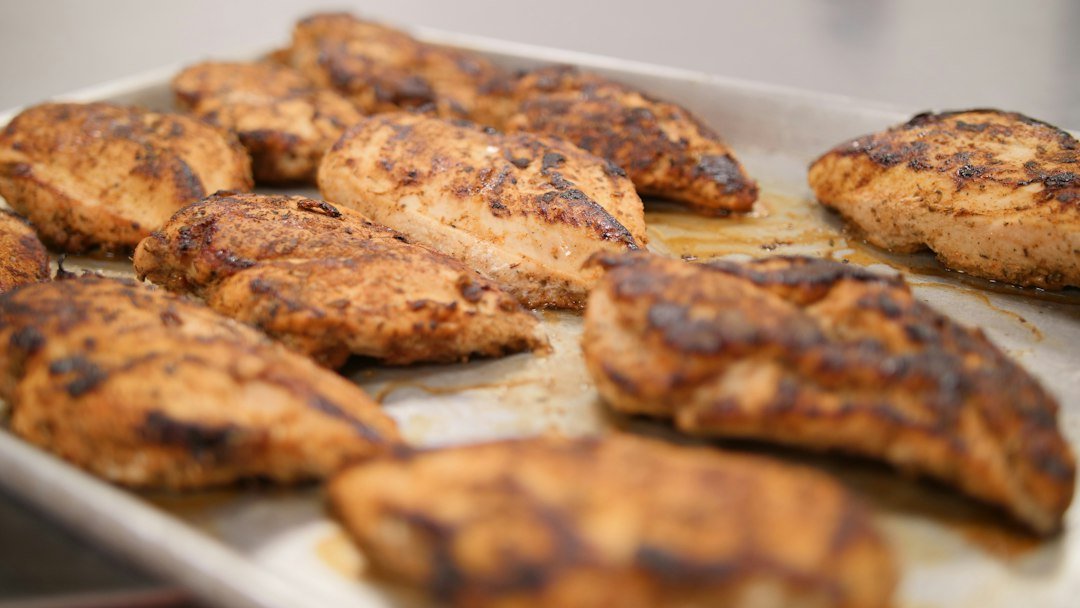
Sheet Pan Chicken Breast: Everything You Need to Know Before You Preheat
Sheet pan chicken breast cooked at 400°F is one of the most reliable weeknight dinners you can make, and the temperature you choose matters more than almost any other variable. At 400°F, the oven's surface heat seals the chicken's exterior quickly, which slows moisture loss and produces noticeably better browning than the gentler 350°F setting that many older recipes recommend. The direct answer: sheet pan chicken breast should be cooked at 400°F for 20–25 minutes until it reaches an internal temperature of 165°F, then rested for 5 minutes before slicing. That single rule, confirmed by the USDA as the safe minimum for poultry, is the foundation everything else builds on.
The appeal of the sheet pan method goes beyond temperature, though. A complete protein-and-vegetable dinner comes together in under 40 minutes of total cook time, making it one of the most efficient meals you can produce on a busy evening. Both Healthy Fitness Meals and Well Plated highlight this efficiency as a core reason home cooks return to the technique week after week.
From a nutritional standpoint, sheet pan chicken breast is naturally low in carbohydrates and high in lean protein. That combination makes it appropriate for people managing blood sugar or digestive sensitivities, provided the seasoning is chosen carefully. Before you even think about seasoning, though, make sure your raw chicken is stored safely. Our guide to Refrigerator Temperature Settings for Food Safety covers exactly what you need to know about keeping poultry fresh before it hits the oven.
How to Make the Perfect Sheet Pan Chicken Breast: Chef-Tested Method, Equipment, and Pro Tips
Choose the Right Pan
The pan itself is where most home cooks make their first mistake. A heavy-gauge rimmed aluminum half-sheet pan distributes heat more evenly than nonstick or glass alternatives, and its light color prevents the chicken's underside from over-browning. Nonstick pans lose their coating integrity at temperatures above 450°F and aren't ideal for high-heat roasting. Dark stainless pans can create uneven hot spots directly under the protein. If you're shopping for new kitchen equipment, our Best Cookware for Induction Cooktop guide walks through material differences that apply equally to oven cookware.
For anyone who wants to branch out, a well-seasoned cast iron skillet can substitute for a sheet pan for smaller batches. Just be sure to read our How to Clean Cast Iron guide before you start, because the post-cook cleanup on cast iron requires a different approach than aluminum.
Preheat the Pan (This Step Changes Everything)
Slide your empty rimmed sheet pan into the oven while it preheats. Let it sit for 5–10 minutes at 400°F before you add the chicken. When seasoned chicken touches a hot pan, the bottom surface begins to sear immediately, mimicking the effect of a stovetop browning step without any extra equipment or cleanup. Skipping this step is the single most impactful mistake home cooks make; a cold pan extends cooking time unevenly and produces a pale, steamed exterior rather than a properly roasted one.
Prep Your Chicken to Uniform Thickness
Boneless, skinless chicken breasts are notoriously uneven in shape. The thick end can be twice the thickness of the tapered tip, which means the thin end overcooks and dries out before the thick center reaches 165°F. The fix is simple: pound or butterfly each breast to an even thickness of approximately ¾ inch. Place the breast between two sheets of plastic wrap or in a zip-lock bag and use a meat mallet or rolling pin to flatten it gently.
A sharp chef's knife is essential for this prep work, as well as for cutting your vegetables to uniform sizes. Uneven cuts cause smaller pieces to char while larger ones stay undercooked. If your knives need attention, our guides on How to Sharpen Kitchen Knife and Best Knife Sharpening Tools for Home Chef cover everything from whetstones to pull-through sharpeners.
Seasoning and Marinades
A marinade of olive oil, lemon juice, garlic, and herbs applied 30 minutes before cooking penetrates the surface and provides a flavor buffer against moisture loss during roasting. Laughing Spatula's sheet pan chicken breast recipe uses a straightforward herb-and-oil approach that delivers consistently juicy results. For something more striking, balsamic vinegar-based glazes caramelize beautifully at 400°F, creating a restaurant-quality crust without a heavy amount of added sugar. Le Creuset de la Crumb's balsamic chicken with potatoes and carrots is a classic example of how a simple glaze can transform an everyday protein.
For gastritis-friendly preparation: bake chicken breast with olive oil and mild herbs at 375–400°F, and avoid acidic marinades, heavy spices, and fatty coatings that can irritate the stomach lining. Skip the lemon juice and vinegar, limit chili and paprika, and opt for olive oil, fresh thyme or parsley, and mild cooked garlic. This keeps the dish stomach-safe without sacrificing flavor.
For diabetics: baked chicken breast is an excellent protein choice because it contains no sugar, has virtually no carbohydrates, and has no meaningful impact on blood glucose. Pair it with non-starchy roasted vegetables like broccoli, bell peppers, or zucchini for a complete meal that fits comfortably within most diabetic eating plans. Well Plated's rainbow vegetable sheet pan chicken is a great visual guide to building a colorful, low-glycemic plate.
Timing Vegetables Correctly
Not all vegetables roast at the same speed, and matching cook times is the key to a successful one-pan dinner. Dense vegetables like potatoes and carrots need a 10–15 minute head start in the oven before you add the chicken. Medium-density vegetables, like bell peppers, zucchini, and broccoli florets, can go in at the same time as the chicken. Life Is But a Dish's easy sheet pan chicken with veggies breaks down this staggering method clearly and is worth bookmarking as a timing reference.
Don't overcrowd the pan. More than one layer of food traps steam between the ingredients, which turns a roasting situation into a braising situation. The chicken ends up pale and soft rather than golden and slightly crisped. If you're cooking for more than four people, use two pans and rotate them between oven racks halfway through cooking.
Using a Convection Setting
If your oven has a convection setting, use it. Circulating air removes the thin layer of steam that forms around the chicken during roasting, and this reduces total cook time by approximately 25% while improving browning across the whole surface. Check out our Microwave vs Convection Oven Baking comparison for a detailed breakdown of how convection heat works differently from standard bake mode, and when each makes sense.
Resting the Chicken
After removing the pan from the oven, leave the chicken in place for at least 5 minutes before slicing. During roasting, heat drives moisture toward the surface of the meat. Resting allows the muscle fibers to reabsorb those juices. Cut into it immediately and you'll see those juices pool on your cutting board instead of staying in the meat.
More Chicken Breast Ideas
Sheet pan cooking is just one of several reliable methods for boneless chicken breast. If you want a coated, crunchy variation, our Shake n Bake Chicken Homemade Recipe is a great weeknight alternative. For something quick and vegetable-forward, our Healthy Stir Fry Recipe Guide uses similar prep techniques in a completely different cooking context. Leftover sheet pan chicken also works beautifully in our Crustless Chicken Pot Pie Recipe and Chicken Tortilla Soup Recipe, both of which put pre-cooked chicken breast to excellent use.
On the vegetable side, if you're looking for a warming side dish to serve alongside your sheet pan dinner, our Broccoli Cheddar Soup Chef Techniques guide pairs wonderfully with a simple herb-roasted breast, particularly in cooler months.
Your Sheet Pan Chicken Breast Checklist: Key Takeaways and Next Steps
Four rules make or break a sheet pan chicken breast: a 400°F oven, a preheated rimmed aluminum pan, chicken pounded to a uniform ¾-inch thickness, and a 5-minute rest before slicing. Get those four right and you're most of the way to a great result every time.
Beyond the chicken itself, vegetable timing is where one-pan dinners succeed or fail. Dense root vegetables like potatoes go in 10–15 minutes before the chicken; softer vegetables like bell peppers and zucchini roast alongside it. That staggered approach is the most practical strategy for pulling everything out of the oven perfectly done at the same moment.
If you enjoy one-pan cooking, the same logic applies to dishes like a simple Potato Leek Soup, where layering ingredients by cook time produces the best result. At The Top Kitchen, retired professional chef Sophia Garcia builds every recipe and equipment guide around real-world restaurant technique adapted for home kitchens, so you get both the "what" and the "why" behind every step.
Sheet Pan Chicken Breast: Frequently Asked Questions
Q: How long to cook chicken breasts on a sheet pan?
Boneless, skinless chicken breasts cooked at 400°F on a preheated rimmed sheet pan take 20–25 minutes, depending on thickness. Chicken pounded to ¾ inch will finish closer to 20 minutes, while thicker pieces may need the full 25. Bone-in breasts require significantly longer, approximately 35–45 minutes at the same temperature. Always use an instant-read thermometer inserted at the thickest point; the chicken is safe to eat when it reads 165°F. After removing from the oven, rest the chicken on the pan for 5 minutes before slicing. Both Healthy Fitness Meals and Laughing Spatula confirm these timing windows across different breast sizes.
Q: Is it better to cook chicken breast at 350 or 400?
400°F outperforms 350°F for sheet pan chicken because faster surface browning seals in moisture, while 350°F prolongs exposure to dry oven heat. At 400°F, the oven generates enough surface energy to brown and seal the outside of the chicken quickly, trapping internal moisture and producing a juicier result. At 350°F, the chicken stays in the oven longer to reach 165°F, losing more moisture through evaporation along the way. The only exception is stuffed or very thick chicken breasts, where 375°F can prevent the exterior from overcooking before the center is done.
Q: How to cook chicken for someone with gastritis?
For someone with gastritis, baked sheet pan chicken breast is one of the safest preparations because it avoids deep frying and relies on gentle dry heat. Skip acidic marinades made with lemon juice or vinegar, avoid high-fat coatings, and limit strong spices such as chili powder or cayenne. Season with a light drizzle of olive oil, sea salt, and fresh parsley or thyme. Roast at 375–400°F until the internal temperature reaches 165°F, and pair with non-acidic roasted vegetables like zucchini, carrots, or sweet potato for a complete, stomach-friendly meal.
Q: Can a diabetic eat baked chicken?
Yes. Baked chicken breast has no sugar and no significant carbohydrates, making it a safe and beneficial protein source for diabetics. It promotes satiety and helps stabilize blood sugar after meals. The key is to avoid sugary glazes and breaded coatings, both of which add meaningful carbohydrates. A plain or herb-seasoned sheet pan chicken breast paired with non-starchy vegetables like broccoli, bell peppers, or green beans creates a low-glycemic, nutritionally balanced meal that fits within most diabetic eating plans.