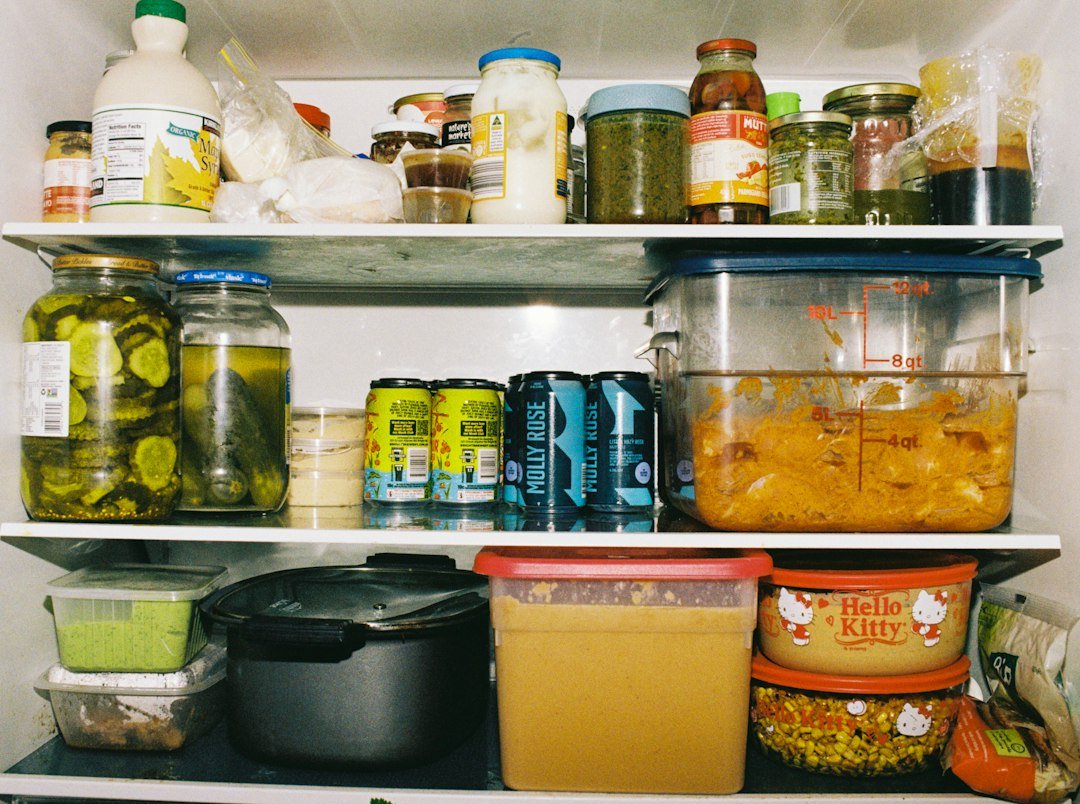
Pickling Cucumbers in the Refrigerator: The Fast, No-Canning Method That Actually Works
To pickle cucumbers in the refrigerator, pack sliced cucumbers into clean jars, pour a hot vinegar-water-salt brine over them, seal, and refrigerate for at least 24 hours before eating. That's genuinely all there is to it, and the results can rival anything you'd find at a deli counter.
Refrigerator pickles are ready to eat in as little as 24 hours, which is a dramatic contrast to traditional canned pickles that need weeks to fully develop their flavor. There's also no special equipment involved. You won't need a water-bath canner, a jar lifter, or any sterilization beyond running your jars through the dishwasher or giving them a good hot rinse. As Once Upon a Chef notes, the refrigerator pickle method is one of the most approachable ways for home cooks to get into preservation.
The brine itself is simple. A 1:1 ratio of white vinegar to water, combined with pickling salt and a small amount of sugar, is all you need for a balanced, tangy result that holds up beautifully over time. Daring Gourmet confirms this ratio as the reliable foundation for great refrigerator dill pickles.
Stored correctly, refrigerator pickles stay crisp and safe for up to 4–6 weeks when kept at or below 40°F (4°C), which is the FDA-recommended safe refrigerator temperature. That temperature isn't just a guideline; it's what keeps your pickles safe and your brine doing its job. We cover this in detail in our guide to Refrigerator Temperature Settings for Food Safety, and if you're unsure what temperature your fridge is actually running at, our article on What Temperature is a Refrigerator Supposed to be at is worth a read before you start your first batch.
What You Need Before You Start: Cucumbers, Equipment, and Brine Ingredients
Getting your ingredients and equipment sorted before you begin makes the whole process faster and far less stressful. Here's exactly what you need and why each choice matters.
Choosing the Right Cucumbers
Kirby cucumbers, often labeled as pickling cucumbers at the store, are the top choice for refrigerator pickles. Their thin skin, firm flesh, and lower water content produce a crunchier, more satisfying result than standard slicing cucumbers. If you can't find Kirbys, Persian cucumbers are the best readily available substitute. Their compact size and firm texture make them an excellent stand-in.
Avoid English cucumbers entirely. Their high moisture content means they'll produce soft, watery pickles that disappoint no matter how good your brine is. According to Pinch and Swirl, cucumber variety is one of the most important variables in achieving that signature crunch.
When selecting cucumbers, look for specimens that are firm all the way through with no soft spots. Aim for 3–5 inches in length, and skip any that show yellowing, which signals over-ripeness and a softer interior.
The Brine Ratio
The standard brine for refrigerator dill pickles uses:
- 1 cup white vinegar
- 1 cup water
- 1 tablespoon pickling salt
- 1 teaspoon sugar
This produces a balanced, tangy, lightly sweet pickle with excellent shelf life. Crinkled Cookbook and Daring Gourmet both use ratios close to this as their baseline.
If you want a sharper, more pungent pickle, you can increase the vinegar to a 2:1 vinegar-to-water ratio. This also extends refrigerator shelf life slightly. On the other end, reducing pickling salt below 1 tablespoon softens the brine and can lead to a mushy texture over time, so don't go too light on the salt.
Always use pickling salt rather than regular table salt. Iodized table salt can turn your brine cloudy and affect the texture of the cucumbers over their storage period.
Equipment List
- Wide-mouth quart mason jars (wide-mouth makes packing spears much easier and improves brine circulation)
- A sharp knife or mandoline slicer for uniform cuts
- A small saucepan for the brine
- Accurate measuring spoons
- Jar lids and rings
If you're interested in a broader look at refrigerator types and how storage organization affects food quality, our Bottom Freezer Refrigerator Buying Guide is a useful resource for setting up your kitchen storage more intentionally.
How to Pickle Cucumbers in the Refrigerator: Step-by-Step Instructions
This method is what we use at The Top Kitchen for classic refrigerator dill spears. It draws on techniques from Once Upon a Chef, Pinch and Swirl, and Crinkled Cookbook, with Sophia's professional refinements added where the technique matters most.
Step 1: Ice Bath Pre-Treatment
Before you cut a single cucumber, submerge the whole cucumbers in a bowl of ice water for 1–2 hours. This firms the cell walls and is the single most effective technique for achieving maximum crunch in finished refrigerator pickles. Skipping this step, then cutting and brining immediately, is the most common texture mistake. Warm cucumbers absorb brine too quickly and their cell structure breaks down, leaving you with soft, flabby spears.
Step 2: Cut Cucumbers Into Spears or Coins
After the ice bath, halve your cucumbers lengthwise and cut into spears, or slice them into ¼-inch rounds for pickle coins. The key is uniform thickness. Even cuts ensure consistent flavor penetration and a predictable texture throughout every jar.
Step 3: Prepare Your Aromatics
For classic refrigerator dill spears, add the following directly into each quart jar before packing:
- 2–3 fresh dill sprigs
- 2 smashed garlic cloves
- ½ teaspoon black peppercorns
- ¼ teaspoon red pepper flakes
These go in first, sitting at the bottom and sides of the jar, so the brine draws their flavor out and distributes it through the cucumbers as they soak.
Step 4: Pack Jars Tightly
Stand cucumber spears vertically in the jar, packing them snugly against each other. Tight packing prevents spears from floating above the brine line, which is important because any cucumber sitting above the brine won't pickle properly and can develop off flavors. Wide-mouth jars make this step significantly easier.
Step 5: Make the Brine
Combine 1 cup white vinegar, 1 cup water, 1 tablespoon pickling salt, and 1 teaspoon sugar in a small saucepan. Bring to a boil over medium-high heat, stirring until the salt and sugar fully dissolve, about 2 minutes. Daring Gourmet recommends heating the brine to ensure the salt dissolves completely rather than settling at the bottom of the jar.
Step 6: Pour Brine Over the Cucumbers
Carefully pour the hot brine over the packed cucumbers, filling to within ½ inch of the jar rim. Hot brine jump-starts flavor penetration into the cucumbers. Unlike canning, no vacuum seal is required here, so the hot brine is perfectly safe to use directly. Make sure all cucumber pieces are submerged.
Understanding how temperature affects flavor and nutrient retention in pickled vegetables is covered in our guide on How Refrigerator Temperature Impacts Food Nutrition.
Step 7: Cool and Seal
Let the jars cool uncovered at room temperature for 15–20 minutes before sealing with lids. Don't refrigerate while the jars are still hot. The temperature shock can crack glass jars, and it's unnecessary since refrigerator pickles don't require a rapid cool-down for safety purposes.
Step 8: Refrigerate and Wait
Seal the jars and move them to the refrigerator. The pickles are technically edible after a few hours, but they reach full dill flavor and proper crunch after 24–48 hours. Garlic dill and spicy variations benefit from a full 72 hours as the brine works deeper into the cucumbers.
If you want to dial in your refrigerator's temperature settings for optimal pickle preservation, our guides on LG Refrigerator Temperature Settings and LG Smart Counter Depth Refrigerator Temperature cover specific model guidance.
Flavor Variations
Garlic Dill: Double the garlic to 4 cloves per jar and add 1 tablespoon of fresh dill seed. This produces a sharper, more assertive flavor profile similar to New York-style deli pickles.
Spicy: Add 1–2 sliced fresh jalapeños or ½ teaspoon cayenne pepper per jar. The heat intensifies over time, so taste-test at the 48-hour mark before assuming it needs more.
Bread-and-Butter: Increase sugar to 3 tablespoons, reduce vinegar to ¾ cup, and add ¼ teaspoon turmeric and ½ teaspoon mustard seed. This delivers the classic sweet-tangy bread-and-butter profile that's softer and milder than a dill pickle.
You might also encounter the 321 rule for pickles, which refers to a ratio of 3 parts vinegar, 2 parts water, and 1 part sugar. This produces a sweeter, milder brine that suits bread-and-butter styles well. Sophia's preferred approach uses a 1:1 vinegar-to-water ratio with just 1 teaspoon of sugar, which delivers a cleaner, more acidic dill flavor and better preserves cucumber crunch over the full storage period.
Storage, Safety, and Pro Tips for the Best Refrigerator Dill Pickles
Refrigerator pickles are safe to eat for 4–6 weeks when stored at or below 40°F (4°C), as Daring Gourmet and Crinkled Cookbook both confirm. Beyond that window, the texture degrades significantly even if the pickles remain technically safe to eat.
Store in the main body of the refrigerator, not in the door. Door shelves experience greater temperature swings every time you open the fridge, and those fluctuations accelerate softening over time.
Refrigerator pickles are not shelf-stable. They must never be stored at room temperature. Unlike water-bath canned pickles, they don't have the processing or the vacuum seal required to prevent bacterial growth outside refrigeration. Left on a countertop, a jar can become unsafe within hours.
If you want storage that goes beyond 6 weeks, you need proper canning methods: sterilized jars, a tested brine with at least 5% acidity, and a water-bath canner to create a vacuum seal. Refrigerator pickling can't substitute for that process.
Check your jars before eating. If pickles develop an off smell, unusual sliminess, or visible mold, discard the entire jar without tasting.
Keeping your refrigerator running efficiently matters more than most people realize. Dirty refrigerator coils force the compressor to work harder and can cause temperature fluctuations that compromise pickle quality. Our guide on How to Clean the Coils of a Refrigerator walks you through that maintenance step. And if your refrigerator is running too cold and freezing food, it can rupture cucumber cell walls and turn pickles mushy. See our troubleshooting guide on What to Do if Your Fridge is Freezing Food for fixes, and if the problem is more serious, Freezer is Working But Fridge is Not covers deeper diagnostic steps.
Don't reuse brine from a finished jar for a new batch. The salt concentration drops with each use, reducing its preservative effectiveness and producing under-seasoned pickles.
Label every jar with the date it was made. This simple habit prevents guesswork about freshness and helps you rotate batches before quality drops. For reference on other food storage timelines, thawed turkey has a refrigerator window of just 1–2 days, which underscores why knowing your fridge's exact temperature is so important for any perishable food.
Frequently Asked Questions About Pickling Cucumbers in the Refrigerator
Q: How long can you leave cucumbers in the refrigerator before pickling?
You can store fresh cucumbers in the refrigerator for up to 1 week before pickling without significant quality loss. However, for the crunchiest results, pickle them within 1–2 days of purchase or harvest. The fresher the cucumber, the firmer its cell walls, and the better its ability to hold that satisfying crunch through the brining process. Cucumbers that have been refrigerated for more than 5–7 days will begin to soften and produce a noticeably less crisp finished pickle.
Q: What is the 321 rule for pickles?
The 321 rule for pickles is a simple beginner's brine ratio: 3 parts vinegar, 2 parts water, and 1 part sugar. It produces a mild, sweet-leaning brine that works well for bread-and-butter style pickles. However, this ratio results in a noticeably sweeter, less tangy pickle than classic dill. Sophia's preferred professional approach uses a 1:1 vinegar-to-water ratio with minimal sugar (just 1 teaspoon per cup of liquid), which delivers a cleaner, more acidic dill flavor, better crunch retention, and a slightly longer refrigerator shelf life. Resources like Once Upon a Chef and Daring Gourmet both offer solid starting points for experimenting with your own ratio.
Q: Do you refrigerate pickled cucumbers?
Yes, refrigerator pickles must always be kept refrigerated. Unlike commercially produced or home-canned pickles that have been water-bath processed into shelf-stable jars with a vacuum seal, refrigerator pickles rely entirely on cold temperature (at or below 40°F / 4°C) to slow bacterial growth and stay safe. Left at room temperature, a jar of refrigerator pickles can become unsafe within a few hours. Always store them in the main body of your refrigerator, not in the door. For more on how to organize and manage refrigerator storage across different food types, browse our Refrigerators category.
Q: How do you make pickling cucumbers for long-term storage?
For long-term storage beyond 4–6 weeks, refrigerator pickling isn't sufficient. You need a tested water-bath canning method: sterilized jars, a brine with at least 5% acidity (standard white vinegar qualifies), hot brine poured into hot jars, and jars processed in a boiling water-bath canner for the time specified in a tested recipe, typically 10–15 minutes for pickle spears at sea level. This creates a vacuum seal and destroys microorganisms that refrigeration alone can't address. Properly canned pickles can be stored in a cool, dark pantry for 12–18 months. Pinch and Swirl is a great resource if you want to compare refrigerator methods against canned versions. Always use USDA-tested recipes for canning to ensure food safety. For more food preservation guides, visit our Food category.