What Is a Rum and Coconut Cocktail? (Plus the Best Ones to Make)
A rum and coconut cocktail is any drink that pairs rum with a coconut-derived ingredient, whether that's coconut cream, coconut milk, coconut water, or a pre-flavoured coconut rum spirit. The result can range from a thick, dessert-like frozen drink to a light, citrusy refresher, depending on which coconut product you choose and how you build the drink. Popular examples include the Piña Colada, the Painkiller, and the Coco Loco, and Wine Enthusiast's coconut rum cocktail collection shows just how broad the category has become.
The Piña Colada is the world's most recognised rum and coconut cocktail. It was invented in Puerto Rico in 1954 and uses coconut cream as its base, giving it that signature rich, creamy texture most people associate with the style. If you're newer to the category, AllRecipes' coconut rum drinks gallery is a great place to browse variations before you start mixing.
One thing beginners should pay attention to early is the difference between coconut rum and regular rum. Coconut rum (like Malibu) is a flavoured spirit typically bottled at around 21% ABV, while white or dark rum sits at 40% ABV. That gap matters a lot for balance. Our resident expert, Sophia Garcia, recommends starting with a 2:1 ratio of coconut cream to rum. That proportion delivers enough sweetness to round out the spirit without flattening it entirely, and it gives you a reliable baseline to adjust from.
The good news is you don't need a professional bar setup to make any of these drinks at home. A standard blender or cocktail shaker handles the full range, and making sure you keep your coconut milk and cream chilled safely before mixing goes a long way toward keeping flavours clean and fresh.
Top Rum and Coconut Cocktail Recipes, Ingredients, and Home Bar Techniques
The Three Drinks You Should Know First
The Piña Colada is the obvious starting point. The classic formula is 2 oz white rum, 1 oz coconut cream, and 4 oz pineapple juice, blended together with ice. Sophia's tip here is worth adopting immediately: freeze your pineapple chunks ahead of time and use them in place of loose ice. This keeps the drink cold without thinning it out as the ice melts, and the flavour stays brighter throughout. You'll find solid blended variations across AllRecipes' coconut rum drinks roundup if you want to explore tweaks on the original.
The Painkiller has a different character entirely. It was created at the Soggy Dollar Bar in the British Virgin Islands in the 1970s, and the recipe calls for dark rum, coconut cream, orange juice, and pineapple juice, shaken over ice and finished with freshly grated nutmeg on top. The Cocktail Snob NYC Painkiller recipe is a reliable reference for proportions if you want to get technical. The nutmeg garnish isn't decorative: the volatile aromatics in freshly grated nutmeg activate on contact with the cold surface of the drink, which noticeably intensifies the tropical aroma. Ground nutmeg from a jar won't do the same thing, so it's worth picking up a whole nutmeg and a small grater.
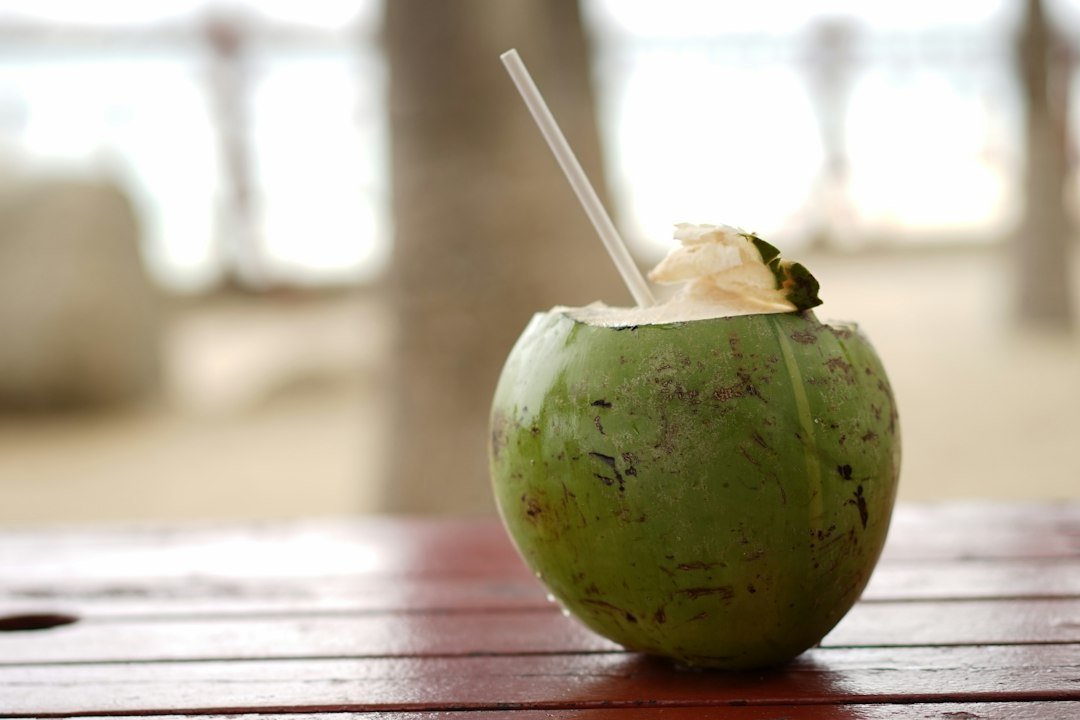
The Coco Loco is a South American beach staple and probably the most visually striking of the three. It's traditionally served directly inside a fresh coconut, combining white rum, coconut water, lime juice, and a splash of blue curaçao for colour. It's lighter and more citrus-forward than the Piña Colada, and the fresh coconut vessel adds a subtle extra layer of coconut flavour as you drink. If you want to see the assembly process in action, this YouTube walkthrough demonstrates the technique clearly.
Understanding Your Coconut Ingredients
Coconut cream, coconut milk, coconut water, and coconut rum are four distinct ingredients with different fat contents and sweetness levels that cannot be used interchangeably in rum cocktail recipes. Getting this wrong is the most common reason a homemade coconut cocktail falls flat or tastes off.
Coconut cream contains roughly 20–25% fat. It's thick, sweet, and rich, which makes it the right pick for blended drinks like the Piña Colada where you want body and creaminess to carry the whole drink.
Coconut milk sits at 10–15% fat. It's noticeably thinner and works better in stirred or shaken drinks where you want a hint of coconut character without the drink becoming heavy. Think of it as the middle option.
Coconut water has no meaningful fat content. It's lightly sweet, hydrating, and adds electrolytes without changing the drink's texture, making it the right base for low-calorie refreshing coconut and rum drinks like the Coco Loco. It won't thicken a cocktail, so don't substitute it for coconut cream expecting the same result.
Coconut rum is pre-sweetened and flavoured, which changes your recipe math. Malibu's official drinks portal lists over 30 variations built around their spirit, and Sophia advises reducing any additional sugar syrup in a recipe by at least 50% when you substitute coconut rum for white rum. Skipping this step will produce a drink that tastes more like dessert than a cocktail.
Equipment That Actually Makes a Difference
The right tools matter here, and the right kitchen equipment makes all the difference whether you're cooking or mixing drinks. For frozen cocktails like the Piña Colada, you need a blender with at least 1,000 watts of power. Under-powered blenders leave visible ice chunks that melt quickly and water the drink down, ruining the texture you're trying to achieve. If you're not sure how your appliances stack up, understanding your appliances unlocks better results across every kitchen task, not just cocktail making.
For shaken drinks like the Painkiller, a standard cocktail shaker with a built-in strainer is all you need. Load it with 1 cup of ice, add your measured ingredients, and shake hard for 12–15 seconds. That duration is enough to chill the drink properly and introduce just the right amount of dilution from the melting ice. Shaking for less time leaves the drink under-chilled; shaking for much longer over-dilutes it.
A jigger is the third piece of equipment Sophia considers non-negotiable. Measuring by eye is tempting when a recipe looks simple, but the difference between 1 oz and 1.5 oz of coconut cream or rum changes the balance of the whole drink. Jiggers are inexpensive, and they're what separates consistently good cocktails from inconsistent ones. If you want to explore more drink-focused appliance guides beyond cocktail tools, we cover a broad range of kitchen equipment across the site.
Presentation Techniques Worth Adopting
Glassware matters more than people expect. Blended cocktails like the Piña Colada look and stay colder longer in a chilled hurricane glass. Shaken drinks like the Painkiller work well in a coupe or highball glass. For a professional finishing touch on either style, rim the glass with toasted coconut flakes.
To make a toasted coconut rim: scatter shredded coconut in a dry pan over medium heat and stir for 2–3 minutes until the flakes are lightly golden. Let them cool, then moisten the glass rim with a wedge of lime and press it gently into the flakes. It takes under five minutes and changes how the drink looks and smells on the way to your mouth.
The Wine Enthusiast's coconut rum cocktail recipes are also worth bookmarking for more advanced garnish ideas once you've got the basics down. And one practical reminder: when you're working with open flames on the stovetop during entertaining, keep kitchen safety essentials every home cook should know in mind, including having a fire extinguisher accessible in your kitchen.
Make Bar-Quality Coconut and Rum Drinks at Home, With the Right Tools
The single most impactful decision you'll make when crafting a rum and coconut cocktail at home is choosing the correct coconut ingredient. Coconut cream delivers richness, coconut milk gives you lightness, and coconut water keeps things fresh and low-calorie. Getting that choice right before you even open the rum bottle determines the entire character of the drink.
From an equipment standpoint, you really only need two things to cover the full range of coconut and rum drinks: a high-powered blender for frozen Piña Coladas and a reliable cocktail shaker for shaken drinks like the Painkiller. That's a manageable investment that opens up the whole category.
Sophia's core tasting advice is this: always taste the drink before you serve it, and adjust sweetness with lime juice in small increments. If a coconut cream-based drink tastes flat or cloying, a squeeze of lime cuts right through the richness and brings the whole drink back into balance. It's a simple step that makes a real difference.
At The Top Kitchen, we cover in-depth blender, appliance, and kitchen equipment reviews to help home cooks choose the right tools for recipes exactly like these. If you want to keep cocktail ingredients at the ideal temperature with the right refrigerator, we've got guides for that too. And if you have a specific appliance question, you're always welcome to reach out to the Top Kitchen team directly.
Rum and Coconut Cocktail: Frequently Asked Questions
Q: What cocktail has rum and coconut?
The Piña Colada is the most well-known cocktail made with rum and coconut, combining white rum, coconut cream, and pineapple juice, whether blended or shaken over ice. But other classics hold their own: the Painkiller is nutmeg-spiced and built on dark rum and coconut cream, while the Coco Loco is citrus-forward and uses coconut water as its base. Simple Malibu-and-pineapple highballs round out the most popular options for home bars. Each drink uses a different coconut ingredient to achieve a distinct flavour and texture, as covered in Wine Enthusiast's coconut rum cocktail guide.
Q: What is the difference between coconut rum and coconut cream in cocktails?
Coconut rum is a flavoured spirit at roughly 21% ABV that brings both alcohol and coconut flavour but very little fat or sweetness. Coconut cream is a thick, non-alcoholic product with 20–25% fat that adds richness and sweetness to blended drinks. Swapping one for the other produces a completely different drink: coconut rum gives you a thinner, boozy result, while coconut cream removes the alcoholic base entirely. AllRecipes' coconut rum drinks collection shows both styles side by side.
Q: Can I make coconut and rum drinks without a blender?
Yes. The Painkiller and most Malibu highballs are made entirely in a cocktail shaker. Add ice, measure your ingredients with a jigger, shake for 12–15 seconds, and strain into a chilled glass. The Cocktail Snob NYC Painkiller recipe is a good shaker-only reference to start with.
Q: What rum is best for coconut cocktails?
White rum is the most versatile option because its clean flavour lets the coconut ingredient take centre stage. Dark or aged rum adds caramel and molasses depth, which suits the Painkiller particularly well. Coconut rum like Malibu works for lighter, sweeter drinks but should replace rather than supplement white rum in a recipe to avoid over-sweetening. Once you've chosen your rum, make sure you're storing it alongside your coconut milk and cream at the correct refrigerator temperature settings to keep everything fresh before mixing.