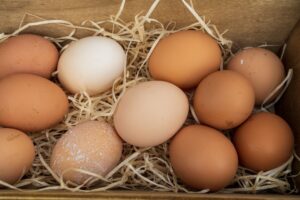
If you've stood in the egg aisle staring at a $9 carton of Vital Farms eggs and wondered whether they're genuinely worth the price difference, you're not alone. The short answer is: a Vital Farms egg is a pasture-raised egg from hens with at least 108 square feet of outdoor access per bird, independently certified by third-party auditors, and consistently identifiable by its deep orange yolk and higher omega-3 content compared to cage-free or free-range alternatives. But knowing what that actually means in practice, and how to verify it at the store shelf, takes a little more knowledge. This guide gives you exactly that.
What Makes a Vital Farms Egg Worth the Extra Cost?
Vital Farms was founded in Austin, Texas in 2007, and has since grown to partner with more than 300 small family farms across the United States. That's a genuinely different business model from industrial egg production, and the difference shows up directly in the egg you crack into your pan.
The most significant factor is outdoor space. While USDA rules only require two square feet of outdoor access per bird for eggs labelled "free-range," Vital Farms holds its partner farms to a minimum of 108 square feet of rotated pasture per hen. That's not a small gap. It means hens are actually foraging on live grass, eating insects, seeds, and plants that fundamentally change their nutritional output.
Nutritional studies have associated that pasture-based diet with yolks containing up to twice the omega-3 fatty acids found in conventional eggs. You can see that nutrition story playing out visually: the deep orange, almost amber yolk colour in a Vital Farms egg is a direct result of higher carotenoid intake from foraging on live pasture, not a dye or additive.
On price, you'll typically pay $7–$10 for a dozen Vital Farms large eggs, compared with $1–$3 for conventional eggs and $4–$6 for most free-range options at mainstream grocery chains. That premium exists because of real production costs: more land, rotational pasture management, smaller flock sizes per farm, and ongoing independent certification.
Understanding how long eggs last is also part of calculating value. A premium egg stored properly can stay at peak quality for weeks, so the cost-per-use is lower than the sticker price suggests. Whether the premium justifies itself for you comes down to how you use eggs in your cooking, and The Kitchn's coverage of the Vital Farms egg controversy is worth reading for a balanced perspective on the brand's claims versus verified reality.
7 Key Criteria for Evaluating Vital Farms Egg Quality
Buying premium eggs confidently means knowing what to look for, both on the carton and in the egg itself. Here are the seven criteria we use to evaluate quality.
1. Pasture Space Standard
The 108-square-foot-per-hen pasture standard is the foundation of what separates a Vital Farms egg from a standard free-range egg. This benchmark is set and verified through the Certified Humane programme, an independent auditing body. The USDA "free-range" label, by contrast, requires no minimum outdoor square footage at all. When you're evaluating any pasture-raised egg, this number is the baseline you're looking for.
2. Third-Party Certification
Don't rely on the brand's own language. Look for the Certified Humane or Animal Welfare Approved seal directly on the carton. Vital Farms holds Certified Humane certification, meaning an independent auditor visits and assesses farm conditions each year. A brand that claims "pasture-raised" without naming a certifying body is making an unverified marketing statement.
3. Yolk Colour and Integrity
When you crack a fresh Vital Farms egg onto a white plate, the yolk should be a deep orange dome that sits tall and doesn't spread flat. That colour indicates higher carotenoid content, a direct sign that hens have been genuinely foraging on pasture. A pale lemon-yellow yolk on an egg labelled "pasture-raised" is a practical warning sign that something doesn't add up. For the widest range of ways to cook egg that show off yolk quality, from sunny-side up to soft scrambles, a vivid orange yolk delivers noticeably better results.
4. Shell Thickness and Cleanliness
Premium pasture-raised eggs typically have thicker, harder shells than conventional eggs. That's a reflection of better overall hen nutrition. If a shell feels chalky or brittle, or has a powdery texture that breaks too easily, it can indicate dietary gaps or poor flock health, regardless of what the label says. A clean, firm shell is a good baseline signal of egg quality.
5. Julian Date Freshness
The three-digit Julian date stamped on the short end of the carton tells you the exact calendar day the eggs were packed. Day 001 is January 1st, day 365 is December 31st. Eggs packed within the last 30 days are at optimal freshness for most cooking applications. Knowing how long eggs are good in the refrigerator helps you plan usage around that pack date intelligently.
6. White Viscosity and Cooking Performance
A thick, gelatinous albumen that clings tightly around the yolk is a quality marker that matters enormously in the kitchen. It's critical for poaching, custards, and soft scrambles. A watery white that spreads across the pan signals an older or lower-quality egg. Professional chefs evaluate this by cracking eggs onto a flat white plate before using them in precision applications like custards or sauce-based dishes. Fresh pastured egg whites also produce more stable foam for meringues and greater lift in chiffon cakes, because of their higher protein integrity. Having the right equipment matters here too: our guide to the best cookware for induction cooktops covers pans that give you precise heat control for delicate egg dishes, and if you cook with cast iron, knowing how to clean cast iron properly keeps your surface seasoned and non-stick for perfect fried eggs.
7. Retailer Cold-Chain Integrity
In the United States, eggs must be kept continuously refrigerated below 40°F (4°C) once they've been washed and processed. If a retailer displays eggs in an ambient-temperature basket near the store entrance or in a warm promotional display, the cold chain has been broken. That alone degrades albumen structure and accelerates bacterial risk, regardless of how premium the eggs were when they left the farm. Check our guide to refrigerator temperature settings and food safety for the exact parameters that matter.
Vital Farms eggs are widely available in 2026 at Whole Foods Market, Target, Kroger, Sprouts, and online via Amazon Fresh, as well as specialty retailers like Fairway Market. Wide distribution means you can usually find a fresh supply, but retailer storage habits still vary. As The Kitchn's reporting on the brand notes, even the best product is only as good as the supply chain delivering it to your hands.
Red Flags: When Pasture-Raised Claims Don't Hold Up
Here's something that surprises many shoppers: the term "pasture-raised" is not federally regulated by the USDA. Any brand can print it on a carton without meeting a specific outdoor-space requirement, unless they hold an independent certification. That means price alone doesn't tell you what you're actually buying.
A 2024 Reddit thread in the Agriculture subreddit raised concerns about whether all of Vital Farms' 300-plus partner farms consistently maintain true rotational pasture access during winter months or during periods of high flock density. These concerns don't invalidate the brand's certification, but they're a reminder that consumers should look for the Certified Humane seal rather than trusting the label photography alone. The Kitchn's coverage of the controversy similarly noted that some journalists and consumers questioned whether the idyllic farm imagery on Vital Farms packaging represents conditions at every partner farm year-round.
That scrutiny is healthy, and it applies to the entire premium egg category, not just one brand. Here are the red flags you should watch for with any pasture-raised egg:
- Pale lemon-yellow yolks on an egg marketed as pasture-raised. Hens genuinely foraging on live grass and insects will produce darker orange yolks from carotenoid intake. A yellow yolk contradicts the claim.
- No named certifying body on the carton. Vague language like "humanely raised" without a named auditor such as Certified Humane or Animal Welfare Approved should be treated with scepticism.
- Missing Julian date stamp. A carton without a clear pack date gives you no way to verify freshness.
- Broken cold-chain storage at the retailer. Eggs displayed in a room-temperature bin, even briefly, have compromised albumen structure and elevated bacterial risk. Understanding the correct refrigerator temperature helps you verify that your home storage continues what the retailer may have started.
- Premium pricing without matching certification. Some brands charge Vital Farms-level prices while only meeting basic cage-free standards. Price is not proof of quality in the premium egg market.
Greenwashing is real in the food category, and egg marketing is one of the places where it's most common. The good news is that the Certified Humane seal gives you a reliable, third-party-verified shortcut through the noise.
Your 10-Point Checklist Before Buying Vital Farms Eggs
Use this checklist at the store and again when you get home.
At the Store
- Check for the Certified Humane seal. Confirm it appears on the carton, not just on the brand's website. This seal means a third-party auditor has verified the 108-square-foot-per-hen pasture standard.
- Read the Julian date. Find the three-digit number on the short end of the carton. Eggs packed within the last 30 days are at peak freshness for most cooking uses, according to Vital Farms' own standards.
- Confirm refrigerated storage. The eggs should be in a proper refrigerated display case at the store, not in an ambient-temperature promotional bin.
- Open and inspect the carton. Check for cracked or leaking shells before you buy. A single cracked egg can contaminate the whole carton and accelerates spoilage of neighbouring eggs.
- Verify the label language. "Pasture-raised" should appear alongside a named certification body. A standalone claim without an auditor's name is unverified.
- Cross-check the price. Vital Farms large eggs typically retail between $7 and $10 per dozen at major retailers including Fairway Market. A carton priced well below that range while claiming the same pasture-raised standard deserves extra scrutiny.
At Home
- Crack a test egg onto a white plate. The yolk should be a deep orange dome sitting high, with a thick, gelatinous albumen staying tightly gathered around it. A flat, pale yolk or watery white signals lower quality.
- Store eggs in the coldest part of your refrigerator. Keep them below 40°F / 4°C and away from strong-smelling foods. Eggshells are porous and will absorb odours from nearby items.
- Match your cooking method to egg age. Very fresh eggs (under two weeks from the pack date) are ideal for poaching and frying because the whites hold their structure. Eggs that are two to four weeks old peel more cleanly after hard-boiling thanks to a slight pH rise. Check our guides on how to boil eggs hard-boiled and the Instant Pot hard-boiled egg method for timing that works with either freshness level. If you want a fast hands-off option, our poached egg in microwave guide is worth bookmarking for busy mornings.
- Use eggs within 45 days of the Julian pack date. When refrigerated properly, this aligns with the USDA's recommended sell-by window plus a safe two-week home-storage buffer.
For the best tools to cook your eggs in, browse our cookware category for recommendations that suit every cooking style.
Frequently Asked Questions About Vital Farms Eggs
Are Vital Farms eggs really pasture-raised?
Yes. Vital Farms eggs come from hens given a minimum of 108 square feet of rotated outdoor pasture per bird, verified through the Certified Humane programme. That said, Reddit discussions and consumer reporting have raised questions about whether all 300-plus partner farms maintain that standard consistently year-round, particularly in winter. The Certified Humane seal on the carton remains the most reliable confirmation that a third-party auditor has checked the conditions.
Why are Vital Farms eggs so expensive?
Maintaining 108 square feet of rotated pasture per hen significantly limits flock density, requires ongoing land management, and involves annual third-party auditing costs. Conventional production runs thousands of hens through indoor facilities at a fraction of the per-unit cost. The $7–$10 price point reflects genuine differences in land use, animal welfare commitments, and the nutritional benefit those conditions produce for the flock.
How can I tell if a Vital Farms egg is fresh?
Start with the Julian date on the short end of the carton. Eggs packed within the last 30 days are at optimal freshness. Then crack one egg onto a white plate at home: a fresh Vital Farms egg shows a deep orange, high-sitting yolk and a thick albumen that clings closely around it. For more on storage timelines, see our guide to how long eggs last.
What is the difference between Vital Farms pasture-raised and free-range eggs?
The difference is guaranteed outdoor space. Vital Farms requires 108 square feet of real pasture per hen. USDA "free-range" labelling only requires some outdoor access with no minimum footage, so a small door to a concrete slab can legally qualify. That's why Vital Farms yolks are consistently more orange: hens eating live pasture take in far more carotenoids than hens with nominal outdoor access.
How long do Vital Farms eggs last in the refrigerator?
Stored at or below 40°F (4°C), Vital Farms eggs stay safe to eat for 3–5 weeks beyond the printed sell-by date. The sell-by date is set no more than 30 days after the Julian pack date. For peak poaching and frying performance, aim to use them within two to three weeks of purchase. The Kitchn's reporting on egg quality standards offers useful context on why freshness windows matter.
Which cookware works best for cooking Vital Farms eggs?
A well-seasoned cast iron skillet or a high-quality stainless steel pan with an even heat distribution base gives you the best results. Cast iron retains heat exceptionally well for crispy-edged fried eggs with a runny yolk. For induction cooktops, you'll want a flat, magnetic-base pan for precise temperature control that prevents overcooking the delicate proteins in high-quality pasture-raised eggs. Our guides to induction cooktop cookware and cast iron care will help you get your setup right.