Types of Eggs: What They Are and How They Differ
Eggs are categorized by two factors: the species of bird that laid them (chicken, quail, duck, or ostrich) and the production method used to raise those birds (conventional, free-range, pasture-raised, organic, or pasteurized). That two-part framework is the clearest way to understand what you're actually buying at the grocery store, and it has real consequences for flavor, nutrition, and food safety.
Chicken eggs account for the overwhelming majority of eggs sold in the United States, but quail, duck, and ostrich eggs are increasingly available at specialty grocers, Asian supermarkets, and farmers markets. Knowing the difference between labels like "free-range" and "pasture-raised" matters more than most shoppers realize. Pasture-raised eggs come from hens given at least 108 square feet of genuine outdoor pasture per bird, and nutritional testing has consistently shown they contain higher levels of omega-3 fatty acids and vitamin D than conventional cage-raised eggs. Free-range, by contrast, is a far looser standard with no meaningful space requirement.
According to Eggs Unlimited, the variation between egg types is broader than most home cooks expect, spanning differences in shell color, yolk depth, fat content, and culinary performance. This guide covers every major type with chef-level detail on flavor profiles, yolk-to-white ratios, nutritional data, food safety, and the best uses for each. We've also put together a full breakdown of ways to cook eggs if you want to pair this guide with hands-on technique.
Every Major Type of Egg Explained: Source, Flavor, Nutrition, and Best Uses
Conventional Cage Eggs
Conventional cage eggs come from hens kept in battery cages, where each bird may have as little as 67 square inches of space. That's smaller than a standard sheet of paper. The result is a pale yellow yolk and a neutral, mild flavor that works perfectly well for baking where egg character isn't the focal point. These are the most affordable option and the most widely available, but they sit at the bottom of the nutritional and ethical ladder.
Free-Range Eggs
Free-range eggs require that hens have some form of outdoor access, but the USDA doesn't specify how much space that access must provide or how long the access window must remain open each day. In practice, "free-range" can legally mean access to a small paved area for a limited portion of the day. The yolks tend to be slightly deeper in color than conventional eggs and the flavor is modestly richer, but the label carries less weight than many shoppers assume.
Pasture-Raised Eggs
Pasture-raised eggs are the standout option for both nutrition and flavor. Hens are given at least 108 square feet of genuine outdoor pasture per bird, where they forage on grass, seeds, and insects year-round. That natural, varied diet drives a noticeably deeper orange yolk color due to higher carotenoid content. Independent nutritional analyses cited by the American Pastured Poultry Producers Association have found pasture-raised eggs contain up to two times more omega-3 fatty acids, three times more vitamin D, and four times more vitamin E than conventional cage-raised eggs.
If you're shopping for pasture-raised eggs and want a reliable brand breakdown, our Vital Farms Egg Buyers Guide covers one of the most widely available pasture-raised options in detail, including what the label actually guarantees.
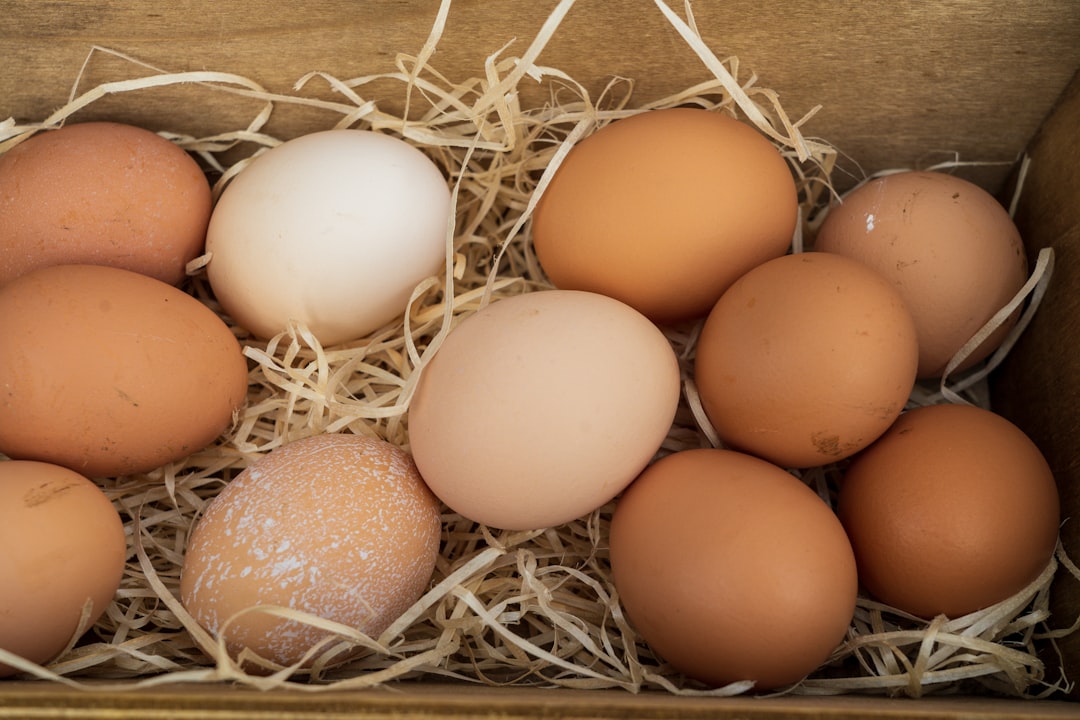
Shell color is worth addressing here because it confuses a lot of shoppers. White versus brown shells are determined entirely by the hen's breed. Leghorn hens lay white eggs; Plymouth Rock and Rhode Island Red hens typically lay brown. Shell color has zero effect on flavor, nutrition, or quality.
Certified Organic Eggs
Certified organic eggs must come from hens fed 100% organic, non-GMO feed and given outdoor access, but organic certification doesn't require the same space standards as pasture-raised certifications. You can have an organic egg that's nutritionally closer to a conventional egg than a pasture-raised one if the hens are spending most of their time indoors. Organic is a meaningful step up from conventional, but it's not equivalent to pasture-raised when it comes to omega-3s and vitamin D content.
Pasteurized Eggs
Pasteurized eggs have been gently heated inside their shells, typically to around 140°F for 3.5 minutes, to eliminate Salmonella and other pathogens without actually cooking the egg. The white may be very slightly cloudier than a raw egg, but the texture and culinary performance are essentially identical. These are the professional chef's go-to for Caesar dressing, steak tartare, tiramisu, chocolate mousse, and homemade mayonnaise. Any dish where the egg won't reach a safe internal temperature through cooking becomes significantly safer with pasteurized eggs.
For sous vide preparations, pasteurized eggs are preferred because the safety margin is already built in, letting you serve a soft-set yolk at 63°C without risk. The Incredible Egg provides a useful overview of egg types specifically from a foodservice safety perspective, including pasteurized egg products.
Quail Eggs
Quail eggs weigh roughly 9 grams compared to a large chicken egg's 50 grams, but their yolk-to-white ratio is nearly twice as high. That proportion delivers a richer, creamier, more intensely flavored egg that's prized in fine dining for garnishes, cured preparations, and single-bite amuse-bouches. In cooking, three to four quail eggs substitute for one large chicken egg.
They're also exceptional when pickled whole and served as a cocktail bar snack, or sliced atop a blini with crème fraîche and caviar. Their small size makes them a high-impact, low-effort garnish in restaurant-style plating. Quail eggs are increasingly available at Asian grocery stores either fresh by the dozen or pre-cooked and vacuum-sealed.
If you want to get the timing right when cooking quail eggs from scratch, our guide on how long to boil eggs covers both chicken and quail timing, and we also have an Instant Pot hard-boiled eggs method that works particularly well when you're making a batch for pickling.
Duck Eggs
Duck eggs are approximately 30% larger than a standard large chicken egg, with meaningfully more fat and protein per egg. The higher fat content in duck egg whites is particularly valuable in baking: it produces lighter, airier, higher-rising results than chicken eggs, which is why professional bakers often prefer them for chiffon cakes, soufflés, and fresh pasta dough. The flavor is richer and slightly more pronounced than chicken eggs, but not gamey.
If you can find duck eggs at a local farmers market, they're worth buying for your next baking project.
Ostrich Eggs
One ostrich egg is equivalent in volume to approximately 24 large chicken eggs, making it the largest egg of any living bird species. Ostrich eggs weigh between 3 and 5 pounds and have a shell so thick you'll need a skewer, heavy knife, or small saw to crack it. Despite the theatrical cracking process, their flavor is milder and less sulfurous than chicken eggs, and one egg will comfortably feed a family of four as a scrambled dish.
They're best reserved for special occasions or culinary experimentation given their limited availability and cost, but they're a genuinely memorable cooking experience.
Wild Eggs (Pheasant, Emu, Guinea Fowl)
Wild eggs vary considerably in flavor depending on the bird's diet and environment. Pheasant eggs are smaller than chicken eggs with a gamier, earthier flavor, and they're a seasonal delicacy in the United Kingdom, typically available in spring. Emu eggs are a deep teal-green color and roughly equivalent to a dozen chicken eggs in volume. Guinea fowl eggs are small, richly flavored, and popular in parts of West Africa and Europe.
Wild eggs are generally foraged, seasonal, and not commercially regulated in the same way as farmed eggs, so availability and food safety handling matter more with these varieties.
Pickled Eggs
Pickled eggs are hard-boiled chicken, quail, or duck eggs preserved in a brine of vinegar, salt, sugar, and spices. The acidity firms the whites and infuses a pleasant tang throughout. When properly processed in sterilized jars with vinegar of at least 5% acidity, pickled eggs can be shelf-stable for up to three to four months, though refrigeration is always the safer choice.
Quail eggs are particularly well-suited to pickling because their small size means the brine penetrates more quickly and evenly. With larger chicken eggs, you'll want to wait up to two weeks for the brine to fully work through the white.
Egg Whites
Egg whites contain zero fat and zero cholesterol, delivering about 17 calories and 3.6 grams of pure protein per large white. That makes them the go-to ingredient for athletes managing macros, as well as for meringues, soufflés, and angel food cake where any fat would compromise the structure.
A whole large chicken egg, by comparison, provides approximately 72 calories, 6 grams of protein, 5 grams of fat, and significant amounts of choline, selenium, and vitamins B12 and D. Those micronutrients are almost entirely in the yolk, so egg whites alone give you protein without the broader nutritional picture.
A Note on Freshness and Storage
The Julian date stamped on a carton indicates the day of the year the eggs were packed. Day 001 is January 1. Freshness is generally reliable within 45 days of that pack date, though eggs stored properly in the refrigerator often remain good longer. For the full picture on egg shelf life, our guide on how long eggs last covers every scenario, and if you specifically want to know how long eggs are good in the refrigerator, we've got that covered too. Storing eggs at the correct temperature is essential regardless of type, so it's worth reviewing our refrigerator temperature settings for food safety if you're not sure your fridge is set correctly.
For a quick and easy alternative cooking method, our guide on how to poach an egg in the microwave is worth bookmarking for weekday mornings.
According to both Alberta Egg and Eggs Unlimited, understanding these distinctions across egg types is the foundation of smarter shopping, better cooking, and a more informed approach to nutrition.
Which Type of Egg Is Right for You?
For everyday cooking and baking, large conventional or free-range chicken eggs are the most cost-effective choice. But upgrading to pasture-raised eggs delivers a genuine nutritional and flavor improvement that most home cooks notice immediately, particularly in dishes where the egg is the star, like fried eggs, omelets, and custards. Pasture-raised eggs offer the best nutritional profile for everyday use, while pasteurized eggs are essential for any raw-egg preparation.
Pasteurized eggs are the safest option for homemade mayonnaise, mousse, Caesar dressing, and any other recipe where the egg won't be fully cooked. Quail eggs and duck eggs are worth keeping on hand if you enjoy restaurant-quality plating or want to elevate baked goods with a richer fat profile. Ostrich and wild eggs are best reserved for special occasions or culinary experimentation given their limited availability and price.
For a deeper look at premium egg options, our Vital Farms Egg Buyers Guide is a practical starting point. And if you want to keep exploring, you'll find more food guides, cooking techniques, and appliance advice when you explore more food guides on The Top Kitchen.
Frequently Asked Questions About Types of Eggs
Q: What is the healthiest type of egg to buy?
Pasture-raised eggs are widely considered the healthiest option available in grocery stores. Hens raised on pasture with at least 108 square feet of outdoor space per bird forage on grass, seeds, and insects, which significantly boosts the nutritional profile of their eggs. Independent testing has found pasture-raised eggs contain up to two times more omega-3 fatty acids, three times more vitamin D, and four times more vitamin E compared to conventional cage-raised eggs. For the highest standards, look for the Certified Humane or Animal Welfare Approved pasture-raised label.
Q: Are pasteurized eggs safe to eat raw?
Yes. Pasteurized eggs are specifically processed to be safe for raw consumption. They're heated in their shells to approximately 140°F (60°C) for about 3.5 minutes, a temperature high enough to destroy Salmonella and other harmful bacteria without actually cooking the egg. Professional chefs use pasteurized eggs in dishes like Caesar dressing, homemade mayonnaise, steak tartare, tiramisu, and chocolate mousse, where the egg won't reach a fully safe internal temperature through cooking alone.
Q: How do quail eggs differ from chicken eggs in cooking?
Quail eggs are much smaller, roughly one-fifth the size of a large chicken egg, but they have a proportionally larger yolk relative to their white. This higher yolk-to-white ratio makes them richer, creamier, and more flavorful. Three to four quail eggs are generally used to replace one large chicken egg in a recipe. They're particularly popular in fine dining for garnishes, pickled snacks, and single-bite appetizers where their small size and visual appeal are assets.
Q: What is an ostrich egg equivalent to in chicken eggs?
One ostrich egg is roughly equivalent in volume to 24 large chicken eggs. Ostrich eggs weigh between 3 and 5 pounds, have an extremely thick shell that requires a sharp knife or small saw to crack, and take approximately 45 minutes to hard-boil. Their flavor is milder and less sulfurous than chicken eggs. One ostrich egg can realistically feed four to six people as a scrambled egg dish.
Q: How long do pickled eggs last?
Properly pickled eggs stored in a sterilized jar with a fully acidic brine (vinegar with at least 5% acidity) can last up to three to four months when refrigerated. Once opened, consume within two weeks. Always ensure the whites are fully penetrated by the brine before eating, as thick whites can take up to one to two weeks to fully pickle. According to Eggs Unlimited, proper brine acidity and jar sterilization are both essential for safe long-term storage.
Q: What is the difference between free-range and pasture-raised eggs?
Free-range is a USDA label that requires hens to have "outdoor access" but doesn't specify how much space, for how long, or what that area must consist of. It can legally be a small concrete pad. Pasture-raised, as defined by third-party certifiers like Certified Humane, requires at least 108 square feet of genuine outdoor pasture per hen. That difference in living conditions directly affects the hen's diet and, in turn, the nutritional content and flavor of the eggs. As Alberta Egg notes, pasture-raised eggs consistently outperform free-range eggs on omega-3, vitamin D, and carotenoid content.
Q: Are egg whites healthier than whole eggs?
Egg whites are lower in calories (approximately 17 calories versus 72 for a whole egg) and contain zero fat and zero cholesterol, making them popular for those managing cardiovascular risk or caloric intake. However, whole eggs contain nearly all of the egg's key micronutrients, including vitamin D, vitamin B12, choline, and selenium, concentrated in the yolk. For most healthy adults, whole eggs provide a far more complete nutritional package. Egg whites alone are best reserved for specific dietary goals, meringues, soufflés, and preparations where fat content must be minimized. The Incredible Egg's foodservice resource breaks down egg product composition in detail for anyone who wants the full nutritional comparison.