What Is a Devilled Egg – and Why Does Everyone Love Them?
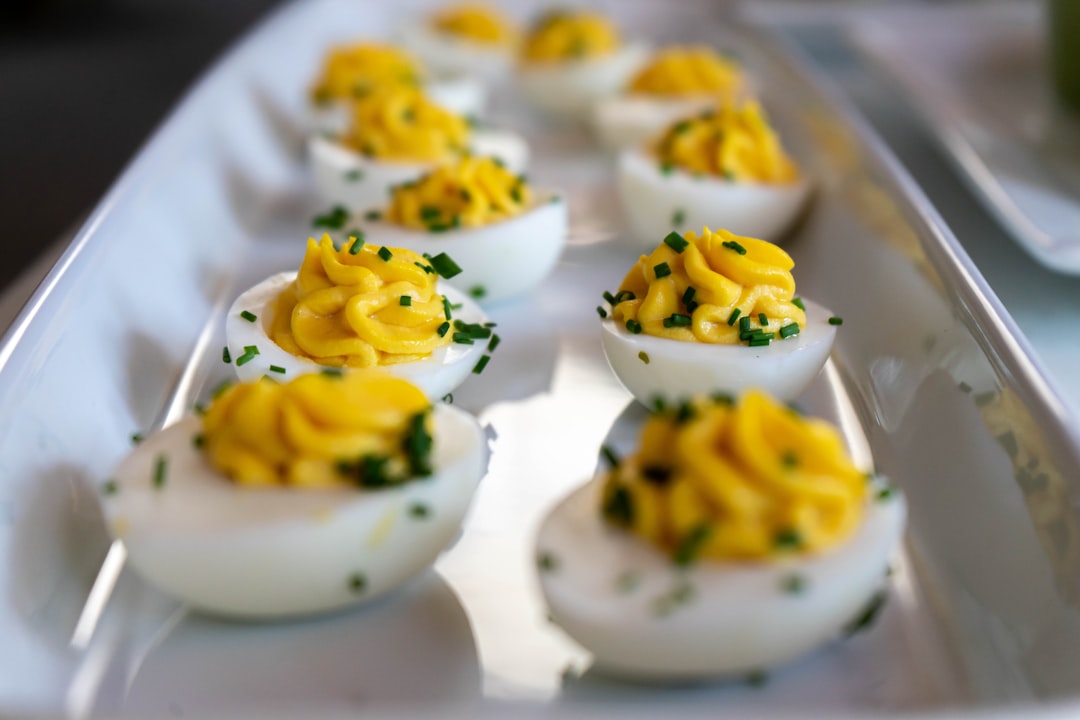
A devilled egg is a hard-boiled egg halved lengthwise, with the yolk removed, blended with mayonnaise, mustard, and seasoning, then piped back into the white and finished with a dusting of paprika. It sounds straightforward, and that's exactly why it's so beloved. According to Wikipedia's history of the deviled egg, the term "devilled" dates to 18th-century Britain, where it described any dish seasoned aggressively enough to carry noticeable heat or sharpness. That's why even the most classic devilled egg recipe always includes something sharp, whether it's mustard, vinegar, or hot sauce.
Part of their enduring appeal is practicality. Devilled eggs are one of the most searched appetiser recipes in the United States, and they appear on holiday and party tables year-round for good reason: you can make them ahead, they travel reasonably well, and nearly everyone eats them. As RecipeTinEats notes, they're the kind of dish people always gravitate toward at gatherings.
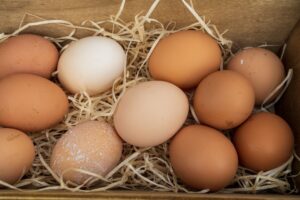
One detail that separates good results from great ones is egg age. Eggs that are at least 7 to 10 days old before boiling peel far more cleanly than eggs bought the same morning. It's a small planning step that pays off immediately. You can check our guide on how long eggs last to understand freshness windows, and if you're curious how devilled eggs fit within the full range of preparations, our overview of ways to cook eggs gives helpful context. As a cold, make-ahead party dish, the devilled egg occupies a unique and irreplaceable place in that spectrum.
How to Make the Perfect Devilled Egg: Techniques, Tools, and Chef-Level Tips
Start with the Right Eggs and the Right Cook
The foundation of any good devilled egg is a properly cooked hard-boiled egg. That means no grey-green ring around the yolk, no rubbery white, and a shell that peels away cleanly. Getting there is less about luck and more about method.
The five golden rules of devilled eggs are: use older eggs for easier peeling, steam or pressure-cook rather than boil, mash or sieve yolks until completely smooth, always pipe the filling for professional presentation, and refrigerate immediately after assembly. Following these rules consistently is the difference between a plate that looks homemade and one that looks like it came from a catered event.
For cooking, steaming eggs for exactly 13 minutes is one of the most reliable stovetop methods. Steam heat is gentler than a rolling boil and causes less adhesion between the shell membrane and the white, which is why peeled steamed eggs tend to look smoother and more intact. Our guide on how long to boil eggs hard-boiled covers timing in detail, including the 12 to 13-minute window beyond which you risk iron sulphide formation (the chemistry behind that grey-green ring). Once that ring appears, the yolk's flavour changes too, so it's worth watching the clock.
If you want to remove stovetop guesswork entirely, the Instant Pot hard-boiled eggs method using the 5-5-5 approach (5 minutes on high pressure, 5 minutes natural release, 5 minutes in an ice bath) is rated by home cooks as the most consistent method for perfectly set, easy-peel eggs. A quality electric egg cooker using steam works just as well for smaller batches and removes almost all timing decisions from the process.
As Tastes Better From Scratch explains, starting with properly hard-boiled eggs is the non-negotiable first step that every other part of the recipe depends on. We'd also recommend watching this helpful video walkthrough that demonstrates the peeling and filling process visually.
Build the Filling with These Five Core Ingredients
The classic devilled egg filling requires five things: hard-boiled egg yolks, full-fat mayonnaise, Dijon or yellow mustard, white vinegar or pickle brine, and salt and pepper. Each ingredient plays a specific role, and cutting any of them produces a noticeably flatter result.
The secret ingredient in the best devilled eggs is pickle brine. Added one teaspoon at a time, it introduces sharp, tangy acidity that balances the richness of the mayonnaise without overpowering the yolk flavour. As Sugar Spun Run's million-dollar deviled egg recipe demonstrates, it's this element that gives a filling its brightness and prevents it from tasting heavy or one-dimensional. Plain white vinegar works, but apple cider vinegar adds a subtle fruity note that also works beautifully if pickle brine isn't available.
The forgotten ingredient that elevates devilled eggs above average is dry mustard powder. Most recipes call for prepared Dijon or yellow mustard, and that's correct, but adding a quarter to half teaspoon of dry mustard powder alongside it layers a deeper, hotter mustard note that prepared mustard alone can't produce. It costs almost nothing, it's shelf-stable, and it transforms the baseline flavour of the filling in a way that guests notice but can rarely identify. RecipeTinEats uses a similar layering approach in their filling, building complexity from multiple mustard sources rather than relying on a single prepared condiment.
Texture Is Everything: Mash, Sieve, or Process
Once you've cooked and halved your eggs, the yolks go into a bowl, and this is where many home cooks stop short. A fork mash is the default, but it leaves small lumps that clog a piping tip and create a gritty mouthfeel in the finished filling. Pressing yolks through a fine-mesh sieve produces a significantly smoother result. For batches larger than 24 eggs, Sophia Garcia's preferred method is processing the yolks in a small food processor for 20 to 30 seconds, which achieves a silky, lump-free texture that no amount of hand mashing can replicate.
This smoothness matters because it directly affects how the filling pipes and how it feels to eat. A lumpy filling, even a well-seasoned one, reads as careless. A smooth, glossy filling signals care and skill.
Also keep in mind that when scaling up, Sophia's restaurant rule applies: multiply the mayonnaise by 1.5 times the standard ratio when making more than 24 eggs. Larger yolk volumes absorb more moisture and can turn dry and crumbly without the additional fat to bind them.
Tools That Genuinely Make a Difference
Piping the filling with a bag fitted with a large star tip (the Wilton 1M is a widely used choice) produces restaurant-quality swirled results and eliminates the lumpy, spooned appearance common in home kitchens. If you don't own a piping bag, a zip-lock bag with one corner snipped works as a reasonable substitute, though the star tip does give a noticeably cleaner finish.
A dedicated devilled egg platter with individual oval indentations does more than look intentional. It prevents the halves from sliding during transport, keeps them upright for garnishing, and signals to guests that the dish was assembled with care rather than dropped onto a plate at the last minute.
Variations Worth Trying
Once you've mastered the classic, the formula opens up in interesting directions.
Bacon devilled eggs are best when finely crumbled, crispy bacon is folded directly into the filling rather than used only as a topping. This distributes the smokiness through every bite rather than concentrating it on the surface. Smoked devilled eggs take this further by cold-smoking the peeled hard-boiled eggs for 15 to 20 minutes over applewood chips before halving and filling, adding a layer of complexity that transforms the dish.
Spicy devilled eggs using sriracha or finely minced jalapeño work well, but the heat benefits from balancing with an extra half teaspoon of sugar. Without that adjustment, the spice can dominate and flatten the rest of the flavour.
Egg Quality Changes the Final Dish More Than You'd Expect
Choosing pasture-raised or high-quality eggs with deeply coloured yolks produces a richer, more visually striking filling with noticeably better flavour. Our types of eggs explained guide covers the differences between egg grades and production methods, and our Vital Farms egg buyers guide goes further into what to look for when choosing eggs for dishes where yolk colour and richness genuinely matter.
Some basic online recipes offer solid foundational ratios for devilled eggs, but they often stop short of the technique depth around piping tools, steam methods, and filling texture that distinguishes professional results from average home cook outcomes. That's the gap this guide is designed to close.
Storage and Food Safety
Devilled eggs should never sit at room temperature for more than two hours. Bacterial growth accelerates rapidly above 40°F (4°C), which makes refrigerating assembled eggs promptly a firm rule rather than a suggestion. You can read more about how long devilled eggs are good in the refrigerator and review the right refrigerator temperature settings for food safety to make sure your appliance is set correctly before you store them.
Stored in an airtight container below 40°F, finished devilled eggs remain safe and palatable for up to two days, though the filling can begin to weep moisture after the 24-hour mark, particularly if the yolk-to-mayo ratio is on the leaner side.
For other egg preparation methods worth exploring alongside this recipe, our guide on alternative egg cooking techniques covers microwave poaching, which is a useful skill for any home kitchen.
Your Devilled Egg Checklist: From Egg Choice to Final Garnish
Getting devilled eggs right every time comes down to four non-negotiable steps: starting with older eggs, steaming or pressure-cooking them for clean peeling, sieving the yolks for a smooth filling, and piping rather than spooning the finished mixture. These four decisions separate a mediocre plate from one that genuinely impresses.
The right tools make each of these steps easier and faster. An electric egg cooker removes stovetop timing pressure entirely. A fine-mesh sieve or small food processor gives you the smooth yolk texture that a fork mash rarely achieves. A piping bag with a star tip handles presentation. A dedicated devilled egg platter handles transport and display.
Food safety is the final piece. Assembled devilled eggs must be refrigerated within two hours and kept at or below 40°F to remain safe for up to two days. Keeping refrigerator temperature settings for food safety in the back of your mind before a party means you won't have to think about it on the day.
At TheTopKitchen.com, Sophia Garcia's chef-authored how-to guides and appliance reviews give home cooks the tool knowledge and technique depth needed to consistently execute dishes like devilled eggs at a level most people only encounter in restaurants.
Devilled Egg FAQs
What are the ingredients for devilled eggs?
The core ingredients are hard-boiled eggs, full-fat mayonnaise, Dijon or yellow mustard, white vinegar or pickle brine, salt, pepper, and paprika for garnish. As Sugar Spun Run's deviled egg recipe and RecipeTinEats both confirm, these seven components form the reliable baseline. Optional additions include hot sauce, sweet relish, or a pinch of sugar to adjust sweetness and balance heat.
What are the five golden rules of deviled eggs?
- Use eggs that are at least 7 to 10 days old – they peel far more cleanly than fresh eggs. 2. Steam or pressure-cook rather than boil – steam produces consistently cleaner whites. 3. Mash or sieve yolks until completely lump-free before adding other ingredients. 4. Always pipe the filling with a piping bag for a smooth, professional result. 5. Refrigerate within two hours of assembly and store below 40°F. Tastes Better From Scratch emphasises the boiling fundamentals, and we build on that with the full technique layer above.
What is the secret ingredient for the best deviled eggs?
The secret ingredient most professional chefs rely on is pickle brine, the liquid from a jar of dill or sweet pickles. Added one teaspoon at a time, it introduces a sharp, tangy acidity that cuts through the richness of the mayonnaise and yolks, producing a more balanced and complex filling. Plain vinegar adds acid but not the same savoury depth that brine carries.
What is the forgotten ingredient I always add to my deviled eggs?
Dry mustard powder. While most recipes call for prepared Dijon or yellow mustard, adding a quarter to half teaspoon of dry mustard powder alongside it creates a deeper, hotter, more complex mustard flavour. It's inexpensive, shelf-stable, and genuinely transforms the filling in a way that's hard to put your finger on but impossible to miss once you've tasted both versions.