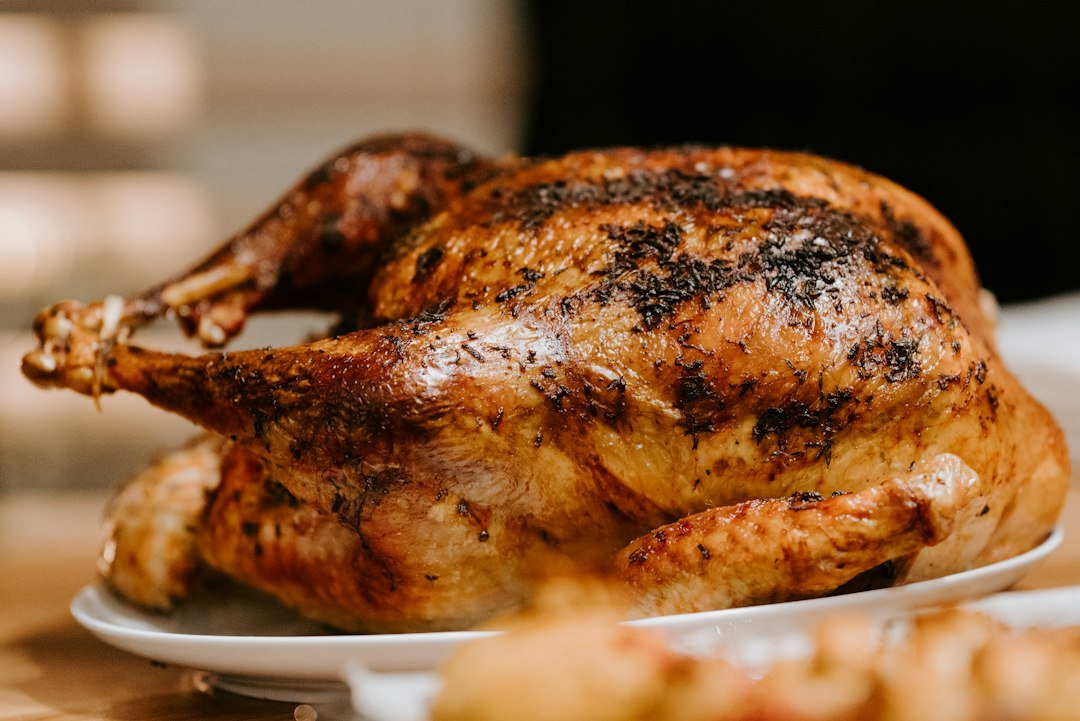
Greek Sheet Pan Chicken: The Short Answer
Greek sheet pan chicken is made by marinating chicken in lemon, olive oil, garlic and oregano, then roasting it with vegetables on one rimmed pan at 425°F until the chicken reaches 165°F (thighs are best at 175–185°F). The classic version uses bone-in, skin-on thighs, olive oil, lemon, garlic, oregano and red wine vinegar, and it takes about 35 to 45 minutes in the oven.
Chicken is safe at 165°F, but thighs taste better a little higher because their connective tissue needs the extra heat to turn tender. Popular versions, like those from The Mediterranean Dish and Downshiftology, prove how well the idea works, but many skip doneness temperatures and exact timing. Our method staggers the vegetables so nothing steams or turns soggy.
I'm a retired professional chef, and I wrote this for beginners. You'll need about 15 minutes of hands-on prep.
How to Make Greek Sheet Pan Chicken Step by Step
Ingredients (4 servings)
For the chicken and marinade:
- 2 to 2.5 lb bone-in, skin-on chicken thighs
- 1/4 cup olive oil
- 3 tbsp lemon juice
- 1 tbsp red wine vinegar
- 4 garlic cloves, minced
- 2 tsp dried oregano
- 1 tsp salt
- 1/2 tsp black pepper
For the vegetables:
- 1 lb baby potatoes, halved
- 1 red onion, cut into wedges
- 1 bell pepper, chopped
- 1 zucchini, sliced into half-moons
- 1 pint cherry tomatoes
- Kalamata olives and crumbled feta, added at the end
Thighs or breasts?
Bone-in thighs are juicy and forgiving, so we recommend them for a first try. Boneless breasts cook in 20 to 25 minutes. Pull them at 160°F and let carryover heat bring them to 165°F. We cover that technique in our sheet pan chicken breast guide.
Step 1: Prep the chicken safely
Pat the skin completely dry with paper towels. Wet skin steams instead of crisping, and it's the number one reason for pale chicken.
If your chicken is frozen, thaw it in the fridge first. Our guide to thawed poultry storage times explains how long it stays safe.
Step 2: Marinate
Whisk the oil, lemon juice, vinegar, garlic, oregano, salt and pepper. That's roughly a 3:4 ratio of lemon juice to oil, with the vinegar adding extra tang. Coat the chicken, working some marinade under the skin.
Marinate for 30 minutes to 8 hours. Past 12 hours, the lemon acid makes the meat mushy and chalky.
The salt works like a dry brining technique, drawing moisture out and then back in while drying the skin surface for better crisping.
Keep the chicken in a fridge set to 40°F or below. Our proper refrigerator temperature guide shows how to check yours. Never reuse raw marinade as a sauce unless you boil it first.
Step 3: Set up the oven and pan
Heat the oven to 425°F conventional, or 400°F convection. Place the rack in the upper-middle position.
A heavy, rimmed aluminum half-sheet pan (18×13 inches) browns best. Dark nonstick pans can over-brown at 425°F. Parchment is safe to 425°F and makes cleanup easy, but it browns less than a bare or foil-lined pan. If you're shopping for pans, our notes on choosing the right cookware can help.
Step 4: Stagger the vegetables
This is the step most recipes skip. Roast potatoes alone for 15 minutes, add the chicken, then add softer vegetables for the last 20 minutes at 425°F.
Here's the timeline:
| Stage | What goes on the pan | Time |
|---|---|---|
| 1 | Potatoes with oil and salt | 15 minutes |
| 2 | Chicken skin-side up, plus onion | Next 5 minutes |
| 3 | Zucchini, peppers, tomatoes | Final 20 minutes |
Toss the vegetables with a little oil and salt before adding them. Leave 1/2 inch between pieces. Crowding traps steam, so use two pans if you need to. Methods from The Girl Who Ate Everything and Nikki Glekas use similar one-pan layouts, and this video walkthrough shows the pan setup visually.
Step 5: Check doneness and rest
Insert an instant-read thermometer into the thickest part of a thigh, away from the bone. Look for at least 165°F, ideally 175–185°F. For crisp skin, broil for 2 to 3 minutes at the end, watching closely.
Rest the chicken for 5 to 10 minutes. Scatter the olives and feta over the pan, then finish with fresh lemon and parsley. A dollop of tzatziki is perfect, and choosing plain Greek yogurt for tzatziki makes it thick and tangy.
Troubleshooting
- Pale skin: The chicken was too wet or the rack was too low.
- Soggy vegetables: The pan was crowded. Spread things out or use two pans.
- Dry breasts: They cooked past 165°F. Pull them sooner.
Beginner and advanced versions
For a beginner version, use pre-cut vegetables and boneless thighs. For an advanced version, dry-brine the chicken overnight, then add preserved lemon or a spoonful of harissa to the marinade.
If you prefer a single heavy pan, try roasting in cast iron instead, and read the cleaning tips so the seasoning stays intact.
What to Serve With It, Nutrition and Variations
Greek sheet pan chicken already has vegetables built in, so sides can be simple. Good options include tzatziki, lemon rice, orzo, warm pita or a crisp Greek salad. For Greek-style sides, try crispy eggplant or zucchini fritters.
Nutrition: With thighs and potatoes, expect roughly 450 to 550 calories and 30 to 40 g of protein per serving. That's an estimate, and it varies with your ingredients and portion sizes. Downshiftology lists similar ranges for its version.
Variations:
- Low-carb: Swap the potatoes for cauliflower or extra zucchini. Add cauliflower with the chicken, since it cooks faster than potatoes.
- Dairy-free: Skip the feta and serve a coconut or cashew yogurt sauce with garlic and lemon.
- Spicier: Add red pepper flakes to the marinade.
Final Thoughts and More Weeknight Chicken Dinners
Three things make this dinner work: dry skin, high heat at 425°F, and staggered vegetables. Add a reliable thermometer and a sturdy rimmed pan, and you'll get the same result every time. You can learn more about our approach on the About The Top Kitchen page, and explore our equipment reviews for tools that make roasting easier.
Looking for your next dinner? Try our healthy stir-fry guide, a bowl of chicken tortilla soup, or a cozy potato leek soup.
Greek Sheet Pan Chicken FAQs
What temperature should Greek sheet pan chicken be cooked to?
Cook chicken to a minimum internal temperature of 165°F. For bone-in thighs, go to 175–185°F for the most tender texture. Check the thickest part away from the bone.
Can I prep Greek sheet pan chicken ahead of time?
Yes. Marinate the chicken in the fridge for up to 8–12 hours and chop the vegetables a day ahead. Toss the vegetables with oil just before roasting.
How do I store and reheat leftovers?
Refrigerate within 2 hours in airtight containers for up to 3–4 days. Reheat in a 375°F oven for 10–15 minutes until it reaches 165°F, which keeps the skin crisper than a microwave.
Can you freeze Greek sheet pan chicken?
Yes. Freeze cooked chicken for up to 3 months, or freeze raw chicken in its marinade. Vegetables like zucchini and tomatoes turn soft after freezing, so add them fresh.
Can I use chicken breasts instead of thighs?
Yes. Use bone-in or boneless breasts of even thickness, roast 20–30 minutes, and pull at 160–165°F. Add them later than the potatoes so they don't dry out.
How do I make it dairy-free or low-carb?
Omit the feta or use a dairy-free yogurt sauce. For low-carb, replace potatoes with cauliflower, broccoli or extra zucchini and peppers.
Should I use foil or parchment on the sheet pan?
Parchment works up to about 425°F and prevents sticking; foil allows slightly more browning. Bare aluminum gives the best browning but needs soaking afterward.