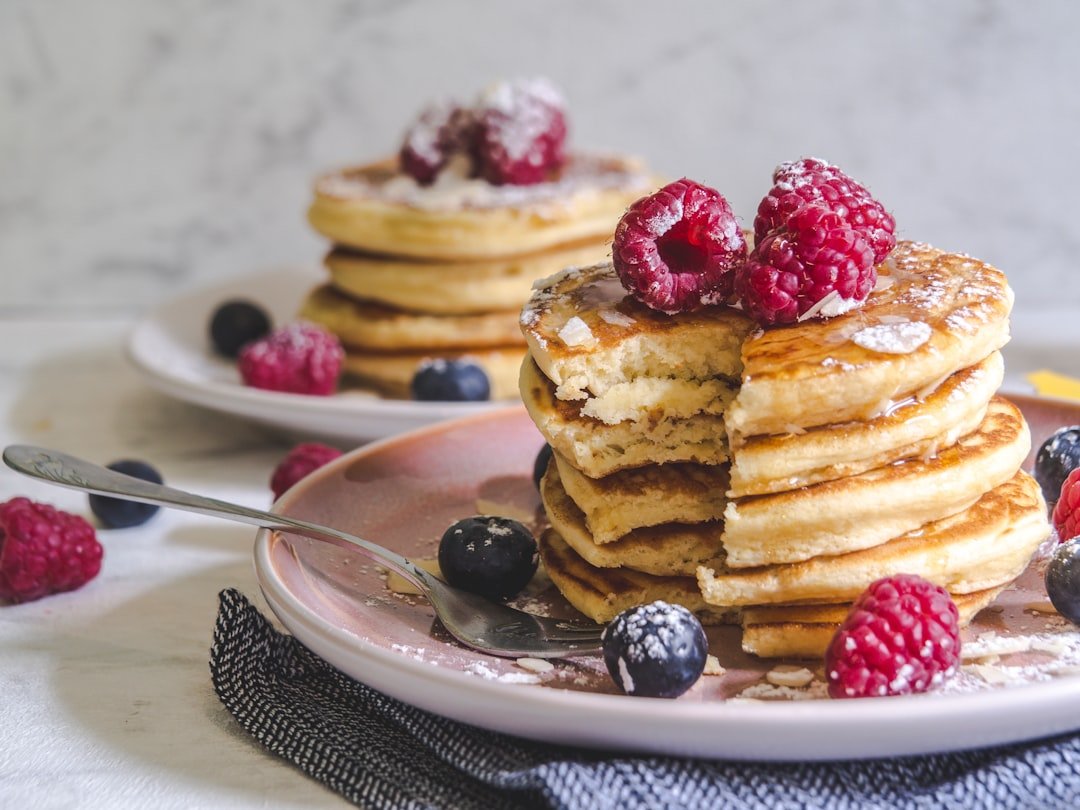
What Is a Cottage Cheese Pancake and Why Is It Worth Making?
A cottage cheese pancake is made by blending cottage cheese, eggs, and oats or flour into a smooth batter, then cooking it on a skillet until golden. That simple formula delivers something traditional pancakes simply can't match: up to 28g of protein per serving in a breakfast that's ready in under 15 minutes. According to Eat the Gains, a flourless cottage cheese pancake is one of the most efficient high-protein breakfasts you can make, and it can genuinely compete with a post-gym protein shake on the macros front.
What makes cottage cheese special here is that it does double duty in the batter. It acts as both a binder and a protein source, taking the place of the fat and refined carbohydrates that make conventional pancakes a less satisfying start to the day. The result, as The Kitchn notes, is a pancake that's fluffy, satisfying, and far more nutritious than it looks.
One step you absolutely can't skip: blending. Without it, the curds remain intact and the batter falls apart in the pan. This is the single most important technique point for any home cook tackling this recipe for the first time. If you're drawn to other high-protein breakfast ideas, our Protein Powder Mug Cake Recipe and our guide to the healthiest way to prepare eggs are worth reading alongside this one.
The surge in searches for cottage cheese pancake variations in 2026, including gluten-free and Dutch-style formats, reflects a broader shift toward protein-rich, lower-carb breakfasts that don't sacrifice texture or flavor.
How to Make Cottage Cheese Pancakes: Technique, Equipment, Nutrition, and Troubleshooting
Start With the Right Cottage Cheese
Not all cottage cheese performs equally in a pancake batter. Full-fat cottage cheese (4% milkfat) produces a richer, more cohesive result. Low-fat varieties tend to release more water into the batter, causing it to spread too thin in the pan and cook unevenly. If all you have on hand is low-fat cottage cheese, drain it through a fine mesh strainer for about five minutes before blending. That one step removes the excess liquid that causes the most frustrating cottage cheese pancake failures.
Small-curd cottage cheese blends most smoothly and contributes the least moisture to the batter. It's the ideal starting point for any version of this recipe, whether you're going with the classic three-ingredient approach or adding banana, vanilla, or a scoop of protein powder.
Master Your Blender Settings
The blender isn't optional, and the settings matter more than most recipes acknowledge. A high-speed blender running at 1,000 watts or more on medium-high for 30 to 45 seconds will produce a visibly smooth batter with no white curds remaining. A standard blender running on low often leaves lumps that affect both texture and appearance. You'll know the batter is ready when it pours like a slightly thick crepe batter with no visible curds.
Eat the Gains and Jar of Lemons both recommend blending as the non-negotiable first step, and that advice holds up in our kitchen testing here at The Top Kitchen.
The Base Recipe and Nutritional Breakdown
The simplest version of a cottage cheese pancake uses just three ingredients: cottage cheese, eggs, and rolled oats. Rolled oats blended directly into the batter act as a gluten-free flour substitute, thickening the pancake without adding refined carbohydrates. A typical two-egg serving uses approximately 28 to 30g of oats. In terms of nutrition, a two-pancake serving of this three-ingredient version delivers roughly 22 to 25g of protein, 280 to 310 calories, 10 to 12g of fat, and 24 to 28g of carbohydrates. If you're following a gluten-free diet, our gluten-free baking guide has additional guidance on certified gluten-free oat sources and substitutions.
Adding a banana, as seen in recipes like Ambitious Kitchen's banana oatmeal protein pancakes, raises the natural sugar content but also boosts potassium and creates a moister, slightly denser texture. Banana-based batters hold together well at lower cooking temperatures, which makes them a good choice for beginners still getting comfortable with the flip timing.
Pan Selection: Cast Iron, Carbon Steel, or Non-Stick?
This is where appliance knowledge matters as much as the recipe itself. A 10-inch non-stick skillet preheated over medium-low heat (aiming for a surface temperature around 325°F) is the most forgiving option. It prevents the egg-rich batter from scorching while giving the center enough time to set before you flip.
Cast iron is our preferred recommendation for the best crust. It takes longer to preheat (plan for 4 to 5 minutes on medium heat) and needs a light coat of neutral oil or clarified butter before each batch, but once it's up to temperature, it produces a superior golden crust that non-stick simply can't match. If you own a cast iron skillet, our guide on how to clean cast iron will keep it in pancake-ready condition long term.
Carbon steel is the professional chef's choice. It heats faster than cast iron and responds more quickly to temperature adjustments, which is exactly what you want when you're cooking multiple batches and need to dial the heat up or down between rounds. This YouTube demonstration of cottage cheese pancake technique shows how skilled cooks handle the heat management in real time.
For induction cooktop users, a flat-bottomed carbon steel or cast iron pan is essential. Non-induction-compatible non-stick pans heat unevenly on induction surfaces, which directly causes the batter spreading and sticking problems described below. Our guide to best cookware for an induction cooktop covers which specific pan materials and constructions work best.
Troubleshooting the Three Most Common Failures
Sticking: Pancakes stick when the pan isn't fully preheated, when a damaged non-stick surface is used, or when you skip the oil between batches. Add a thin layer of neutral oil or clarified butter before every batch, not just the first. This applies to cast iron and carbon steel equally.
Batter spreading too thin: This is a sign of too much moisture in the batter. The fix is draining the cottage cheese before blending and making sure your blender runs long enough to fully incorporate the oats, which thicken the batter as they break down. The Kitchn's cottage cheese pancake recipe addresses batter consistency as a key variable, and their ratio guidance is worth cross-referencing.
Uneven cooking (raw center, browned edges): This is a heat problem. Reduce the burner to medium-low and cover the pan loosely with a lid for the final 30 seconds of cooking. The trapped steam finishes the center without over-browning the bottom. Don't flip until you see bubbles forming across the entire surface, not just the edges. Flipping too early at too high a heat is the single most reliable way to tear a cottage cheese pancake.
Some popular cottage cheese pancake content focuses primarily on ingredient ratios but provides limited guidance on blender speed, pan material selection, or these specific troubleshooting steps. That appliance-level detail is exactly what this guide is here to add. If you're exploring other high-protein, lower-carb meal options beyond breakfast, our crustless chicken pot pie recipe appeals to the same health-conscious approach.
Dutch Pancake Variations With Cottage Cheese
Dutch pancake recipes offer a genuinely different experience from skillet-cooked rounds. A Dutch baby (or Dutch pancake) is a single large pancake baked in a cast iron or oven-safe skillet at 425°F for 18 to 22 minutes. The high oven heat causes it to puff dramatically at the edges, producing a crepe-like, almost custardy center that looks far more impressive than the effort involved.
Cottage cheese fits naturally into Dutch pancake recipes. You can substitute it for up to half the milk volume in a traditional Dutch baby recipe, boosting the protein content by roughly 8 to 10g per serving without significantly changing the texture. For a comparison of oven-baking methods that applies directly to Dutch pancake preparation, our microwave vs convection oven baking guide is a useful companion reference.
Pairing, Topping, and Storing
Cottage cheese pancakes pair well with toppings that don't add much refined sugar. Fresh berries, a drizzle of honey, or a spoonful of nut butter all complement the mild, creamy flavor. If you want a dairy-rich topping that stays in line with the protein theme, our Greek yogurt parfait layering techniques article has ideas that translate well to pancake toppings. For sweetener guidance that keeps things low-sugar, our no-sugar-added Greek yogurt guide covers the same flavoring principles.
Leftover pancakes store in an airtight container in the refrigerator for up to three days. Reheat them in a dry non-stick pan over low heat for 60 to 90 seconds per side. This preserves their texture far better than a microwave, which tends to make them rubbery. They also freeze well: lay them flat on a baking sheet to freeze individually, then transfer to a zip-lock bag. From frozen, a toaster or low-heat skillet will bring them back in two to three minutes.
The Bottom Line on Cottage Cheese Pancakes in 2026
Getting a cottage cheese pancake right comes down to two things before you even think about toppings: your blender technique and your pan choice. Mastering those two variables, as both Eat the Gains and Ambitious Kitchen emphasize in their respective recipe frameworks, eliminates nearly every failure mode described in this guide.
With 22 to 28g of protein per serving, cottage cheese pancakes rank among the most nutritionally efficient hot breakfasts a home cook can produce in under 15 minutes. Dutch pancake recipe variations with cottage cheese extend that same nutrition profile into oven-baked territory for anyone who wants a more hands-off approach and a more dramatic presentation.
At The Top Kitchen, our appliance guides and cookware comparisons are built specifically to help you match the right tools to recipes like this one. Whether you need to identify the right skillet, understand your blender's wattage, or store your cottage cheese correctly, our refrigerator temperature settings for food safety guide covers the dairy storage side of the equation. The right setup makes consistent results achievable every time you cook.
Cottage Cheese Pancake FAQs
You need only 3 ingredients to make cottage cheese pancakes: cottage cheese, eggs, and rolled oats. No flour, no baking powder, and no added sugar are required, making them genuinely accessible for almost any dietary approach. Eat the Gains and Jar of Lemons both confirm this as a workable standalone formula.
Cottage cheese pancakes are also naturally gluten-free when made with certified gluten-free oats instead of wheat flour. That single ingredient swap keeps the recipe accessible to anyone avoiding gluten, per guidance from The Kitchn.
The ideal cottage cheese is full-fat (4% milkfat) small-curd, which blends smoothly and contributes the least excess moisture to the batter. Whole milk ricotta substitutes at a 1:1 ratio, though the batter will be slightly thicker and you'll lose approximately 3 to 5g of protein per serving.
For freezing, lay cooled pancakes flat on a baking sheet to freeze individually, then transfer them to a zip-lock bag. From frozen, they reheat in a toaster or non-stick pan in two to three minutes with no meaningful texture loss.
Frequently Asked Questions
Q: Do cottage cheese pancakes actually taste like cottage cheese?
A: No. When blended, the cottage cheese loses its distinct curd flavor and instead contributes a mild, creamy richness similar to buttermilk pancakes. Most tasters can't identify cottage cheese as an ingredient once the pancakes are cooked.
Q: Why are my cottage cheese pancakes falling apart?
A: Falling apart is almost always caused by one of three issues: using low-fat watery cottage cheese, under-blending the batter (leaving it too loose), or flipping before the top surface has fully set. Use full-fat cottage cheese, blend for a full 30 to 45 seconds on medium-high, and wait until bubbles form across the entire surface before flipping.
Q: How much protein is in a cottage cheese pancake?
A: A standard two-pancake serving made with ½ cup full-fat cottage cheese, two eggs, and ⅓ cup rolled oats delivers approximately 22 to 28g of protein, depending on the specific brand of cottage cheese and whether additional protein sources like protein powder are included.
Q: Can I make cottage cheese pancakes without a blender?
A: You can, but the texture will be noticeably grainy and the pancakes are more likely to fall apart. If you don't have a blender, mash the cottage cheese thoroughly with a fork, then whisk vigorously with the eggs. For oat-based recipes, use oat flour instead of whole oats to improve binding without a blender.
Q: What is the difference between a cottage cheese pancake and a Dutch pancake?
A: A cottage cheese pancake is a small, round skillet-cooked pancake similar in size to a traditional American pancake. A Dutch pancake (or Dutch baby) is a single large pancake baked in a cast iron skillet in a hot oven at around 425°F, which causes it to puff dramatically at the edges. Cottage cheese can be added to Dutch pancake recipes to boost protein by 8 to 10g per serving.
Q: Is cottage cheese or Greek yogurt better for pancakes?
A: Both work well and deliver similar protein levels, but they behave differently in batter. Cottage cheese blends into a smoother, slightly looser batter that cooks up fluffier. Greek yogurt creates a thicker, tangier batter more similar to traditional buttermilk pancakes. Either can be used in a 1:1 swap, though you may need to adjust liquid content slightly with Greek yogurt.