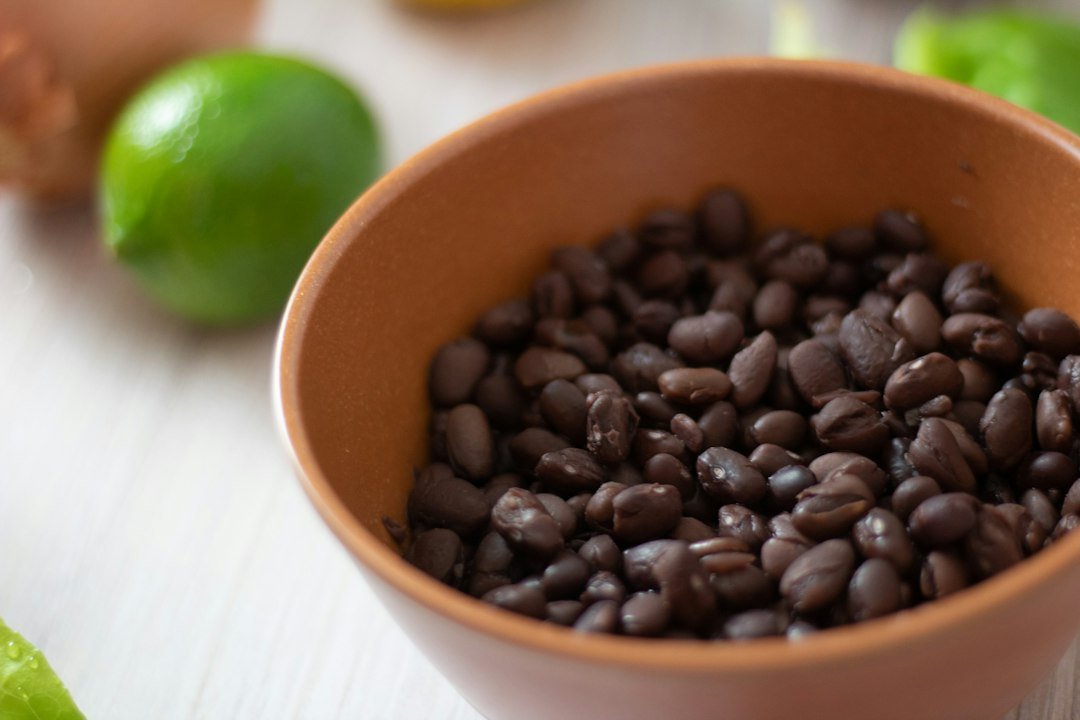
The Best Recipe for Black Beans (Plus Everything You're Probably Doing Wrong)
A great recipe for black bean isn't just a list of ingredients – it's a series of decisions you make before you even turn on the stove. You'll need to choose between dried and canned beans, decide on a soaking method, and figure out which aromatics will build the flavor base you want. Get those three choices right, and everything else falls into place.
Black beans are one of the most nutrient-dense legumes you can keep in your pantry, delivering roughly 15 grams of protein and 15 grams of fiber per cooked cup. Feasting at Home's black bean guide is a great starting point for ingredient inspiration, but the cooking science behind texture and timing deserves a closer look than most recipes offer. Popular food blogs cover black bean recipes at a surface level, stopping short of explaining why beans turn tough, why color changes during cooking, and exactly when salt should enter the pot. Those are the gaps we're filling here.
The answer to the most common black bean frustrations is straightforward: the best recipe for black beans starts with a 12-hour cold soak, a flavor-forward aromatics base, and salt added only in the final 20 minutes of simmering to prevent tough skins. Mushy texture, split skins, and bland results all trace back to skipping the soak or salting too early.
This guide walks through four distinct preparations: Mexican-style, Cuban-style, smoky vegan, and a quick canned-bean weeknight version, each with technique notes so you understand not just what to do but why it works.
How to Cook Black Beans from Scratch: Methods, Variations & Chef-Level Techniques
Step 1: Start with the Soak
Cold soaking dried black beans for 8–12 hours in water with a small pinch of baking soda is the single most effective thing you can do for texture and digestibility. The baking soda raises the pH of the soaking water slightly, which helps break down the oligosaccharides responsible for digestive discomfort and cuts total cook time by up to 25%. Use enough water to cover the beans by at least three inches, since they'll absorb a significant amount overnight.
If you're short on time, a quick-soak works: bring the beans and a large pot of water to a boil, cook for 2 minutes, then remove from heat and let them rest for 1 hour before draining. It's a viable shortcut, though it can slightly dull the beans' deep color compared to a slow cold soak. For timing reference across different cooking methods, our precision cooking time charts show how small variables in timing change outcomes significantly, and the same principle applies to beans.
Step 2: Choose Your Cooking Vessel
The vessel you choose shapes the final result more than most home cooks realize. For stovetop cooking, an enameled Dutch oven or well-seasoned cast iron distributes heat evenly and prevents the scorching that happens with thin-bottomed pots. If you're cooking on an induction range, check our guide to best cookware for induction cooktops to make sure your pot is compatible before you start.
For a hands-off approach, a slow cooker on the low setting for 6–8 hours produces a particularly creamy interior texture, making those beans ideal for dips, soups, and refried-style preparations. A pressure cooker or Instant Pot cuts the time down to 25–30 minutes at high pressure for soaked beans. Our guide on stovetop, slow cooker, and Instant Pot legume cooking methods covers each approach in detail if you want to compare them side by side.
Step 3: Build Your Flavor Base
This is where the four variations split into distinct paths.
Mexican-Style Black Beans: Add a halved white onion, several whole garlic cloves, a jalapeño halved lengthwise, and dried epazote (or a bay leaf if epazote isn't available) directly to the pot with your soaked, drained beans. Cover with fresh cold water by two inches and bring to a gentle simmer. Belle of the Kitchen's Mexican black beans recipe offers a useful reference for proportions. The aromatics cook in with the beans from the very start, infusing the liquid with a herb-forward depth. Remove the large aromatics before serving, or leave them in for a more rustic presentation.
Cuban-Style Black Beans (Frijoles Negros): The defining technique here is the sofrito, built separately in a skillet. Sauté diced white onion, diced green bell pepper, and minced garlic in olive oil until soft and fragrant, then add ground cumin and cook for another minute. Stir this sofrito into your simmering beans during the final 30 minutes of cooking. This layered approach, where the aromatics are cooked independently before joining the beans, creates a richer, more complex flavor than anything you can achieve by throwing everything in together from the start. Think of it the same way you'd build a proper soup flavor base for maximum depth.
Smoky Vegan Black Beans: Start with the same base (onion, garlic, bay leaf), then add smoked paprika and a single chipotle pepper in adobo sauce during the last 30 minutes of cooking. Once the beans are fully tender and off the heat, stir in a tablespoon of apple cider vinegar to brighten and balance the smoke. Forks Over Knives' black bean recipe is a good reference for proportions in plant-based preparations. The vinegar must go in off-heat; heat destroys the volatile acids that give it its punch. This same rule applies to lime juice and fresh cilantro, which should always be added at the table, never cooked in.
Quick Canned-Bean Version (Weeknight Ready): Drain and rinse one can of black beans to remove excess sodium. Simmer them in half a cup of vegetable or chicken stock with two minced garlic cloves, half a teaspoon of cumin, a pinch of smoked paprika, and a bay leaf for 15 minutes. That's it. Serious Eats' canned black bean recipes roundup shows just how far a 15-minute simmer can take canned beans in terms of flavor. You can also watch this black bean technique video on YouTube for a visual walkthrough of the process.
Step 4: Salt at the Right Moment
This is the rule that changes everything. Salt must be added in the last 15–20 minutes of cooking dried beans only. Adding it earlier causes the pectin structure in the bean's skin to tighten, producing a tough, chewy texture that simply won't soften no matter how long you keep cooking. The same applies to any acidic ingredient, including tomatoes, lime juice, or vinegar. Fully tender beans first, then salt and acid.
Step 5: Test Doneness and Thicken the Liquid
To test doneness, press a bean between your thumb and forefinger. It should crush easily with no chalky, grainy center. If there's resistance, continue simmering in 10-minute increments and test again. Once the beans are tender, use the back of a wooden spoon to crush roughly 20% of them against the pot wall. This releases starch from the broken beans directly into the cooking liquid, thickening it naturally without adding any flour, cornstarch, or fat. The result is a sauce-like consistency that coats every bean.
For ideas on how brothy versus creamy soup textures compare in practice, that technique guide covers the same thickening logic applied to different formats.
Serving and Pairing
Black beans work as a side dish, a soup base, a taco filling, a burrito component, or a protein swap in weeknight dinners. If you're looking to pair them with a protein, serving them alongside a sheet pan chicken breast creates a nutritionally complete, restaurant-quality plate with minimal effort. They also work beautifully in a chicken tortilla soup, where the bean liquid doubles as part of the broth. For a lighter option, try them as a protein swap in a healthy stir-fry in place of meat.
Leftovers keep in their cooking liquid in the refrigerator for up to 5 days and actually improve in flavor as the aromatics continue to infuse. The Feasting at Home black bean guide confirms this "day two" phenomenon is real and worth planning for.
Your Black Bean Recipe Toolkit: Final Tips and What to Cook Next
Your cookware choice directly determines your results. A Dutch oven on the stovetop gives you the most control over texture. An Instant Pot is the right call when you need dinner on the table fast. A slow cooker is ideal for hands-off weekend meal prep, producing the creamiest beans for dips and purees. If you're still building your kitchen setup, our guide to best cookware for induction cooktops covers which vessels handle slow simmering best.
The single highest-impact change you can make to your current black bean process is simply delaying salt until the last 20 minutes. That one adjustment, supported by Feasting at Home's technique notes, transforms results from grainy and tough to creamy and smooth without changing anything else.
Black beans are a high-protein, high-fiber pantry staple that fits comfortably into vegan meal prep, Mexican street-food-inspired dinners, Latin American comfort cooking, and everything in between. Once you've got beans down, branching out into other protein-rich pantry techniques is a natural next step. Check out our guide on mastering other protein-rich pantry staples like eggs or browse other high-protein recipe ideas to keep building your repertoire.
All recipe guides at The Top Kitchen are developed by Sophia Garcia, a retired professional chef whose technique and appliance recommendations come directly from real restaurant kitchen experience, not just home-cook intuition.
Black Bean Recipe FAQs: Chef Answers to the Most Common Questions
Do you need to soak black beans before cooking? No, but soaking for 8–12 hours reduces cook time by up to 25% and improves digestibility. Feasting at Home notes that the cold soak also helps skins stay intact. A quick-soak (boil 2 minutes, rest 1 hour off-heat) works in a pinch, though it may slightly dull the beans' color.
Are canned black beans already cooked? Yes. Canned black beans are fully cooked and only need 10–15 minutes of simmering to absorb added seasonings. Drain and rinse them first, then simmer in stock with garlic, cumin, and smoked paprika. Serious Eats has a strong collection of approaches for elevating canned beans quickly.
Black beans also turn purple or gray during cooking due to the release of anthocyanin pigments. This is completely normal and doesn't indicate spoilage.
Black beans and rice together form a complete protein, providing all nine essential amino acids. This makes the combination a cornerstone of plant-based diets worldwide, as Forks Over Knives highlights. For more on how plant proteins compare to animal proteins, our guide on exploring other high-protein ingredient guides is a useful read.
FAQ
Q: Do you have to soak black beans before cooking them?
No, soaking is not strictly required, but it is highly recommended. A cold soak of 8–12 hours reduces total cook time by up to 25%, improves the beans' digestibility by breaking down gas-causing oligosaccharides, and helps the skins stay intact during cooking. If you're short on time, a quick-soak method (boiling the beans for 2 minutes, then resting off-heat for 1 hour) achieves a similar result, though it may slightly dull the beans' deep black color.
Q: Why do my black beans always turn out tough or chewy?
The most common cause of tough black beans is adding salt or any acidic ingredient (like tomatoes, vinegar, or lime juice) too early in the cooking process. Acid and salt cause the pectin in the bean's skin to tighten, locking in a firm texture that more cooking time alone cannot fix. Always add salt in the final 15–20 minutes of simmering, and add acid only off-heat after the beans are fully tender.
Q: How long do black beans take to cook from scratch?
Soaked dried black beans typically take 1 to 1.5 hours on the stovetop over a low simmer. Unsoaked beans can take up to 2 hours. In a pressure cooker or Instant Pot, soaked beans cook in 20–25 minutes at high pressure, while unsoaked beans take 30–35 minutes. In a slow cooker, plan for 6–8 hours on the low setting, which produces an especially creamy texture.
Q: Can I use canned black beans instead of dried?
Yes. Canned black beans are fully cooked and are an excellent time-saving option. For best results, drain and rinse them to remove excess sodium, then simmer in vegetable or chicken stock with garlic, cumin, smoked paprika, and a bay leaf for 10–15 minutes. This short simmer significantly deepens the flavor compared to serving them straight from the can.
Q: What is the difference between Mexican black beans and Cuban black beans?
Mexican black beans are typically seasoned with epazote or bay leaf, garlic, and white onion cooked directly in the pot from the start, resulting in a simpler, herb-forward flavor. Cuban black beans (frijoles negros) are distinguished by a separately cooked sofrito (a sautéed mixture of onion, green bell pepper, garlic, and cumin) that is stirred into the beans near the end of cooking. This sofrito technique creates a richer, more layered depth of flavor that is the hallmark of Cuban-style preparations.
Q: Are black beans and rice a complete protein?
Yes. Black beans are rich in the amino acid lysine but low in methionine, while rice is high in methionine but low in lysine. When eaten together, they complement each other to provide all nine essential amino acids, forming a complete protein. This makes black beans and rice a nutritionally powerful combination, especially for plant-based and vegan diets. They don't need to be eaten at the exact same meal – consuming them throughout the same day provides the same benefit.