What Are Beef Sandwich Steaks, and How Do You Choose the Right Ones?
Beef sandwich steaks are thin-sliced or shaved beef, most often ribeye, top sirloin or top round, chosen for fast cooking and easy bite-through texture. They're usually cut 1/8 to 1/4 inch thick and cooked quickly over high heat.
If you want the short answer on what to buy: ribeye is the best pick for tender, flavorful sandwiches. Top sirloin gives you the best balance of price and beefy taste. Top round is the budget-friendly lean option, as long as you don't overcook it.
The tricky part is the label. Stores sell the same product as "sandwich steak," "shaved steak," "thin-sliced steak," "steak-umm style" sheets or "cheesesteak meat," and the package often doesn't name the cut. That's why shoppers keep asking which cut to buy, as you'll see in this Reddit cooking thread on the best cut for steak sandwiches.
Most top-ranking recipe pages, like this steak sandwich recipe, tell you how to cook the steak but rarely how to buy it. We'll cover the gap: cut comparison, thickness, marbling, grade and exactly what to say to a butcher. This guide comes from a professional chef's kitchen experience, and we explain every term so beginners can follow along.
What Counts as a Sandwich Steak? Labels and Regional Names
A sandwich steak is any beef cut sliced thin enough to cook quickly and bite cleanly in a sandwich. At the store, you'll usually find three product types:
- Pre-sliced shaved steak: paper-thin ribbons, ready for the griddle.
- Thin-sliced whole-muscle steaks: about 1/4 inch thick, like a small flat steak.
- Frozen chopped or formed sheets: pressed from smaller pieces, cheap and fast but less beefy.
Regional sandwiches shape what you should buy. A Philly cheesesteak uses shaved ribeye. A French dip uses thin roast-style top round or sirloin. A steak torta (milanesa-style or sliced grilled steak) uses thin cuts of top round or sirloin. Recipes such as this classic steak sandwich from Sip and Feast and this version from Momsdish show how much the cut and slice change the result.
In many US grocery stores, "sandwich steak" is often top round or a mix of trimmings, so ask what muscle it is.
Thickness changes cooking time too. Shaved beef is cut thinner than about 1/8 inch and cooks in under 2 minutes. A thin-sliced steak needs 1 to 3 minutes per side.
A few related terms you'll see in the case:
- Minute steak: a thin, often tenderized steak that cooks in about a minute.
- Breakfast steak: a small, thin cut, usually sirloin or round.
- Chipped beef: very thin dried or sliced beef, a different product from fresh sandwich steak.
- Ribeye for cheesesteak: ribeye sliced or shaved for Philly-style sandwiches.
How to Evaluate Beef Sandwich Steaks: 7 Criteria
The best cut of beef for sandwiches is ribeye for tenderness and flavor, or top sirloin for the best balance of price and beefy taste. Use these seven criteria to judge any package or butcher case. Home cooks in this Reddit discussion and this recipe guide land on similar favorites.
1. Cut
Each cut trades tenderness, flavor and price. Here's how the common options compare, with cost shown from $ (cheapest) to $$$$ (priciest).
| Cut | Tenderness | Flavor | Fat | Cost per lb | Best method | Yield |
|---|---|---|---|---|---|---|
| Ribeye | Highest | Richest | High | $$$$ | Hot sear or griddle | Lower after trim |
| Top sirloin | Moderate | Beefy | Medium | $$$ | Quick sear | Good |
| Flank | Moderate | Bold | Low | $$ | Grill, slice across grain | Good |
| Top round | Lean, can dry out | Mild | Low | $$ | Quick cook to medium | Good |
| Chuck | Tough unless slow-cooked | Strong | Medium | $$ | Braise or slice very thin | Fair |
| Eye of round | Very lean | Mild | Very low | $$ | Roast, slice paper-thin | Good |
Plan on roughly 4 oz cooked meat per sandwich, which takes about 5 to 6 oz of raw trimmed beef. If you're drawn to chuck, our guide to choosing tender, slow-cooked red meat explains why low and slow suits tougher muscles.
2. Marbling
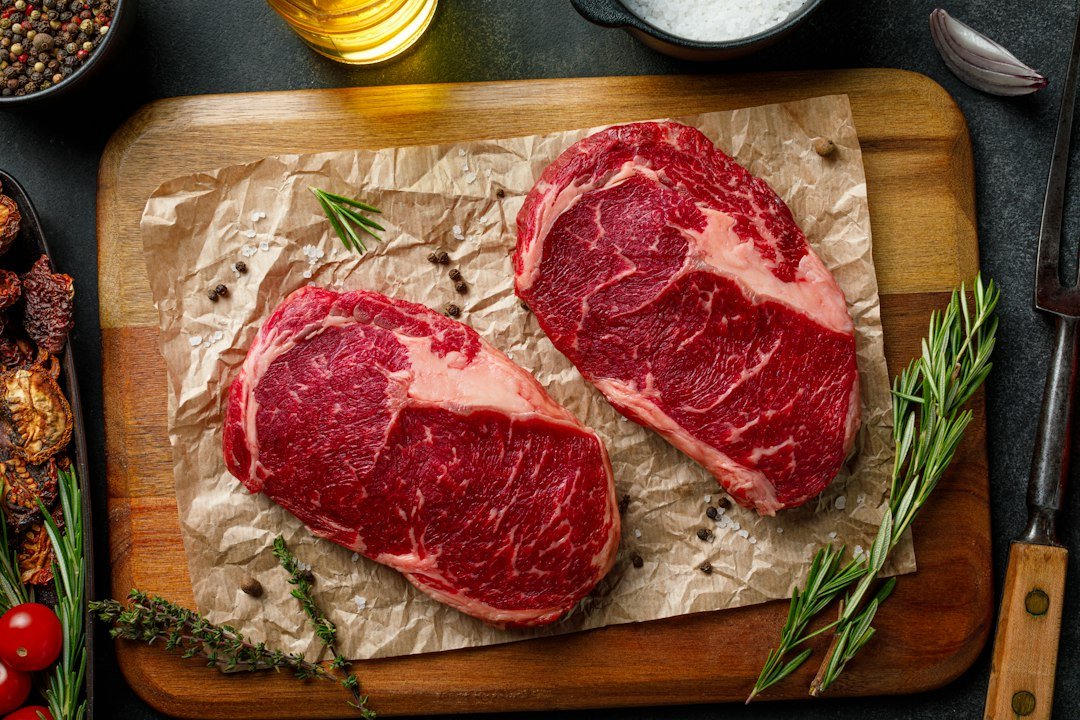
Look for fine, evenly spread white flecks. They melt as the beef cooks and keep it juicy. Thick fat caps or gristle streaks should be trimmed, and they cut your yield.
3. Thickness
Choose 1/8 inch for a cheesesteak and 1/4 inch for a seared steak sandwich. Consistent thickness means even cooking, so thin and thick pieces don't finish at different times.
4. Grade
Prime has the most marbling. Choice is the best value for sandwiches. Select is leaner and benefits from a marinade or a quick cook.
5. Grain direction
Look for long, visible muscle fibers and slice across them. Pre-cut packs with fibers running the length of the strips will be chewier.
6. Freshness
Pick meat that's bright cherry red, with no gray or brown patches and no sour smell. There should be minimal liquid in the tray and a sell-by date several days out.
7. Price and yield
Compare price per pound after trimming. A cheaper pack with more fat and gristle can cost more per usable ounce than a pricier, cleaner one.
How to Ask a Butcher for the Right Slice
Be specific. Name the cut, the thickness and the use: "Can you slice a pound of top sirloin 1/8 inch thick for cheesesteaks?" That one sentence tells the butcher everything.
Then add a few requests:
- Ask for the slices to be cut across the grain.
- Ask for fat caps and silver skin to be trimmed.
- Ask when the meat was cut. Same-day slices are the freshest.
Plan about 1/3 to 1/2 pound of raw beef per sandwich, depending on how loaded you like it.
If your store doesn't slice to order, buy a small roast and do it yourself. Partially freezing it for 30 to 45 minutes firms the meat so you (or the butcher) can cut thinner, more even slices. Home cooks in this cooking thread often share this same trick.
Red Flags When Buying Sandwich Steaks
Skip the package if you spot any of these:
- Gray, brown or iridescent patches, or a sour or ammonia-like smell. These signal aging meat.
- Pooled red liquid or ice crystals inside the package. Both suggest poor storage or thaw-refreeze cycles.
- Vague labels such as "beef product" or "formed steak" with no named cut. They can hide trimmings and fillers.
- Heavy gristle, silver skin and large fat chunks. Expect low yield and chewy sandwiches.
- Slices that vary widely in thickness. They'll cook unevenly.
- "Tenderized" cuts. These may be mechanically treated, which changes texture and raises food safety handling needs, so cook them thoroughly and keep them separate from ready-to-eat foods.
Storage matters as much as selection. Keep your fridge at or below 40°F (4°C), and cook or freeze raw sliced beef within 1 to 2 days. Our guide to refrigerator temperature settings for food safety shows how to check yours. If you freeze beef and thaw it later, the same rules in our post on thawed meat storage times apply, even though that one is about turkey.
Cooking Each Cut: Sear Temps, Resting and Slicing
Whatever you buy, pat the steak dry and season ahead. A 30-minute to overnight salt dry brine improves browning and seasoning. The dry brining technique we use for turkey transfers well to beef.
- Shaved ribeye or sirloin: Use very hot cast iron or a griddle and cook 1 to 2 minutes total. Work in small batches so the meat sears instead of steaming.
- Whole thin steaks and top sirloin: Sear 2 to 3 minutes per side and aim for 130 to 135°F (medium-rare). Rest 5 minutes, then slice against the grain. This steak sandwich walkthrough shows the method well.
- Flank and top round: Don't go past medium (145°F) or they dry out. Slice thin at an angle across the grain.
- Chuck and eye of round: Braise or roast low, then slice very thin for French dip style sandwiches. Sip and Feast has a good reference for sandwich assembly.
- Air fryer: Cook thin strips at 400°F for 3 to 5 minutes, shaking once.
To slice thin at home, freeze the steak 30 to 45 minutes until firm, then use a sharp knife or meat slicer. This video demonstration shows steak sandwich technique in action.
Cooking charts take the guesswork out of timing, and time charts help you pick a cooking method that fits your schedule. It's the same idea as one protein, many cooking methods: pick the technique that suits the meal. For weekly prep, sheet-pan batch cooking is a handy approach to adapt for other proteins.
Tools That Make Sandwich Steaks Better
The right gear makes thin steak far easier to get right.
- Cast iron: It holds high heat for a deep sear. Learn how to clean cast iron and re-season it so it stays nonstick.
- Induction-compatible cookware: It works for fast searing if the base is flat and magnetic. See our best cookware for induction cooktops.
- Flat-top griddle: Ideal for batches of shaved steak and toasting rolls at the same time.
- Instant-read thermometer: It removes the guesswork from doneness.
- Sharp knife: Thin slices demand a keen edge. Here's how to sharpen a kitchen knife, plus our best knife sharpening tools. Hone regularly and sharpen when slices start tearing.
- Convection oven: Great for toasting bread and finishing steaks. Our microwave vs convection oven comparison helps you decide what fits your kitchen.
We cover tools like these across The Top Kitchen, written from real restaurant experience.
Beef Sandwich Steak Buying Checklist
Buy sandwich steaks with a named cut, bright red color, fine marbling, even 1/8 to 1/4 inch thickness and a clean smell. Run through this list at the counter:
- Is the cut named on the label (ribeye, top sirloin, top round)?
- Is the color bright red with fine, even marbling?
- Is the thickness 1/8 to 1/4 inch and consistent?
- Is the grade Choice or better for tender results, or Select with a quick cook or marinade?
- Does it smell clean, with little liquid and a sell-by date at least 2 days out?
- Can you see the fibers, so you can slice across the grain?
- Have you compared price per usable pound after trimming?
- Will it stay at or below 40°F on the trip home and get cooked within 1 to 2 days?
If you can tick most of these, you're buying well. For a deeper look at cut choice, revisit the Reddit thread on the best cut for steak sandwiches.
Beef Sandwich Steak FAQs
Which cut of steak is best for sandwiches?
Ribeye is the best steak for sandwiches when tenderness matters most; top sirloin is the best value. Ribeye gives rich flavor, especially for cheesesteaks. Top sirloin offers beefy flavor and moderate tenderness. For a budget option, choose top round sliced thin against the grain and cook it quickly to medium.
How to cook steak for a diabetic?
Steak has almost no carbohydrates, so preparation matters most. Choose lean cuts such as top round, eye of round or trimmed sirloin, remove visible fat, and grill, broil or pan-sear with a small amount of oil. Skip sugary marinades and sauces, and serve with vegetables or a whole-grain roll. This is general cooking information, not medical advice; ask a doctor or registered dietitian about your own needs.
What is the best cut of beef for beef sandwiches?
For sliced hot sandwiches, ribeye and top sirloin are best. For roast beef style or French dip sandwiches, top round or eye of round roasted and sliced paper-thin works well. Flank steak is a good choice for bold grilled sandwiches when sliced against the grain.
What is considered sandwich steak?
A sandwich steak is a thin-sliced or shaved piece of beef, typically 1/8 to 1/4 inch thick, meant to cook in minutes. Stores often make it from ribeye, top sirloin or top round, and some products use trimmings, so check the label for the named cut.