How Long to Boil Hard Boiled Eggs (Quick Answer + What Affects Timing)
If you want a straightforward answer: for a large egg using the cold-water-start method, you'll boil for 10–12 minutes after the water hits a full rolling boil. If you drop a large egg into already-boiling water instead, cook it for 12–14 minutes from the moment it enters the pot to get a fully set, non-rubbery yolk.
Egg size shifts those numbers meaningfully. Using the cold-water-start method, small eggs need 9–10 minutes, medium eggs 10–11 minutes, large eggs 10–12 minutes, and extra-large eggs 12–14 minutes. You can find a full breakdown in our hard boiled egg boiling time guide, which covers timing in even more detail.
Beyond size, a few other factors change your result. Altitude lowers the boiling point of water, so if you live above 3,500 feet you'll need to add time. Starting with refrigerator-cold eggs versus room-temperature eggs also matters, and the method you choose (cold start vs. boiling start) affects both texture and peel-ability.
One thing that ruins more hard boiled eggs than anything else: skipping the ice bath after cooking. Without it, carryover heat keeps cooking the yolk even after you pull the pot off the burner, which is what produces that gray-green ring around the yolk. We'll walk through exactly how to prevent that.
This guide covers both methods with full timing tables, altitude adjustments, and professional peeling tips. For a broader look at all the ways you can cook eggs, visit our ways to cook eggs guide. And if you want to confirm your approach against trusted sources, RecipeTinEats and Butter Be Ready both offer excellent reference points.
What You Need Before You Start Boiling Eggs
Getting consistently good hard boiled eggs starts before the water even heats up. Here's what to have ready.
The right pot size. Use a saucepan that's large enough to hold your eggs in a single layer with room to spare. Crowding eggs causes uneven heat distribution, which means some cook faster than others and you end up with inconsistent doneness across the batch.
The right eggs. This one surprises a lot of home cooks: eggs that are 7–10 days old peel dramatically more easily than eggs bought the same morning from a farm stand. As eggs age, the pH of the albumen (the egg white) rises, which weakens the bond between the white and the inner shell membrane. The result is a much cleaner peel. If you're not sure how fresh your eggs are, use our egg float test freshness guide before you start. A fresh egg sinks flat to the bottom of a bowl of water, a week-old egg tilts upward at one end, and a bad egg floats entirely.
Cold from the fridge or room temperature? If you're using the cold-water-start method, go straight from the refrigerator. The cold eggs and cold water heat together gradually, which reduces the chance of cracking. For the boiling-water-start method, let your eggs sit on the counter for 10–15 minutes first. Dropping a fridge-cold egg into boiling water creates a sudden temperature shock that can crack the shell. As both Butter Be Ready and RecipeTinEats point out, this small prep step prevents a lot of frustration.
Equipment checklist:
- A medium-to-large saucepan
- A slotted spoon (for lowering eggs into boiling water safely)
- A kitchen timer (your phone works fine)
- A bowl large enough to hold all your eggs, filled with ice and cold water
If you'd rather skip the stovetop entirely, an electric egg cooker uses a steam-and-precise-water-measurement system calibrated to your chosen doneness, removing the timing guesswork completely. Our Instant Pot hard boiled eggs method guide is a great place to start if you want a hands-off pressure-cooker approach.
How to Make Hard Boiled Eggs: Step-by-Step with Exact Boil Times
We're going to walk through both methods clearly, because they're different enough that mixing them up is what leads to undercooked or rubbery eggs.
Method 1: Cold-Water Start (Best for Beginners)
This is the more forgiving approach and works well whether you're cooking two eggs or a full dozen.
Step 1. Place your eggs in a single layer in your saucepan. Don't stack them.
Step 2. Pour in enough cold water to cover the eggs by at least 1 inch.
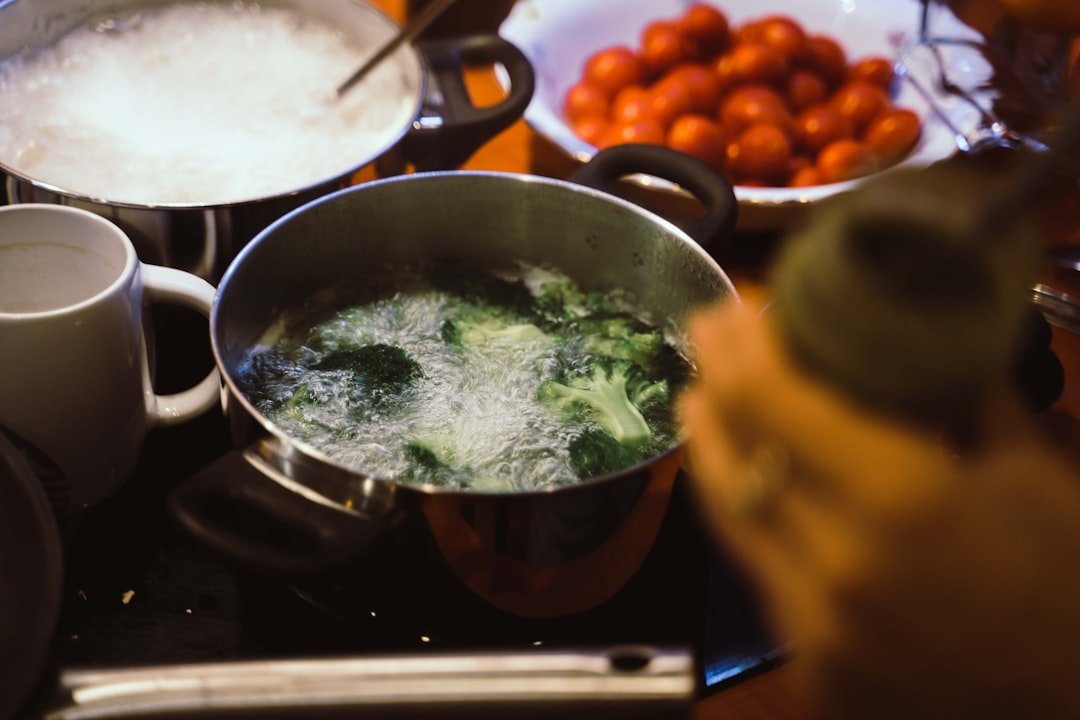
Step 3. Set the burner to medium-high and bring the water to a full rolling boil. You'll see large, vigorous bubbles. That's your cue.
Step 4. The moment the water reaches a rolling boil, reduce the heat slightly to a gentle but active boil and start your timer. Use the table below:
| Egg Size | Cold-Water-Start Boil Time (after reaching boil) |
|---|---|
| Small | 9–10 minutes |
| Medium | 10–11 minutes |
| Large | 10–12 minutes |
| Extra-Large | 12–14 minutes |
Step 5. When the timer goes off, use a slotted spoon to transfer the eggs immediately to your ice bath. Don't wait. Every second in the hot water adds carryover cooking to the yolk.
For more detail on this approach, our how to hard boil eggs perfectly guide walks through the nuances step by step.
Method 2: Boiling-Water Start (Best for Easy Peeling)
This method produces slightly tighter whites and eggs that peel more cleanly, because the outer layer of white sets almost instantly when it hits the hot water, creating a natural separation from the membrane.
Step 1. Bring a pot of water to a full boil first, before any eggs go in.
Step 2. Let your eggs sit at room temperature for 10–15 minutes to prevent cracking.
Step 3. Using a slotted spoon, gently lower each egg into the boiling water one at a time.
Step 4. Reduce heat to maintain a steady simmer and start your timer immediately.
| Egg Size | Boiling-Water-Start Cook Time |
|---|---|
| Small | 11 minutes |
| Medium | 12 minutes |
| Large | 13–14 minutes |
| Extra-Large | 14–15 minutes |
Step 5. Transfer to the ice bath within 30 seconds of removing from heat.
Home cooks on Reddit's r/cookingforbeginners frequently report that switching to the boiling-water-start method solved their peeling problems, which matches our experience in the kitchen. The boiling-water-start is the approach recommended in our how to make hard boiled eggs and how to boil hard boiled eggs guides as well.
The Ice Bath: Not Optional
Transfer your eggs to a bowl of ice water the moment they're done, and keep them submerged for at least 10–15 minutes. The ice bath does two things simultaneously: it stops carryover cooking instantly, and it causes the egg to contract slightly away from the shell membrane, which makes peeling much easier. Skipping this step is the single most reliable way to end up with a gray-green ring around the yolk.
That ring, by the way, is the result of hydrogen sulfide in the white reacting with iron in the yolk to form ferrous sulfide. It's completely safe to eat, just visually unpleasant and a sign the egg went slightly too long. Stick to your timer and use the ice bath, and you won't see it.
Altitude Adjustments
If you're above 3,500 feet (1,067 meters), water boils at a temperature below 212°F (100°C), so your eggs will cook more slowly than the times above suggest. Add the following to all times listed:
- 3,500–5,000 feet: add 1–2 minutes
- 5,000–7,000 feet: add 2–3 minutes
- 7,000 feet and above: add 3–4 minutes
At 7,000 feet, water boils at roughly 199°F (93°C), which is a meaningful drop in cooking power.
Quick Doneness Check Without Cutting
Not sure if your egg is fully cooked? Spin it on a flat countertop. A hard boiled egg spins fast and smooth because the solid interior rotates as one unit. A raw or undercooked egg wobbles and resists spinning because the liquid yolk sloshes around independently inside the shell.
A Note for Deviled Eggs
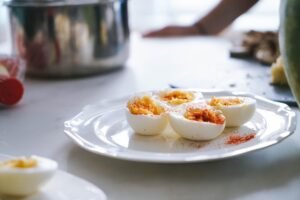
If you're making deviled eggs, target exactly 12 minutes for large eggs using the cold-water-start method. That gives you a yolk that's fully set but still creamy and pale yellow, not chalky or dry, which blends much more smoothly with mayo and mustard. For a fuller comparison of soft vs. hard timings, see our boiled egg cooking times for soft vs. hard guide and our soft boiled vs hard boiled egg timing breakdown. You can also find expanded duration guidance in our how long to boil eggs hard boiled reference.
Pro Tips for Perfect Hard Boiled Eggs Every Time
These are the small adjustments that separate consistently good results from occasional guesswork.
Match your pot to your batch size. Don't use a large stockpot for three eggs. The extra volume of water takes longer to boil, introduces more temperature variability, and makes it harder to maintain a steady simmer during cooking. A medium saucepan sized to fit your eggs comfortably in one layer is ideal.
Add baking soda to the water. A teaspoon of baking soda added to the cooking water raises the alkalinity of the water, which slightly loosens the egg white's bond to the inner membrane. Butter Be Ready recommends this trick specifically for easy peeling, and it genuinely works, especially with very fresh eggs.
Add white vinegar if you're worried about cracking. A teaspoon of white vinegar in the water won't affect flavor, but if a shell cracks during cooking, the acidity helps the white coagulate quickly at the crack site, keeping it from leaching out into the pot.
Peel under running cold water. After the ice bath, hold the egg under a gentle stream of cold water as you peel. The water seeps under shell fragments and the membrane, reducing friction and tearing significantly. You'll get cleaner results with much less effort.
Storage matters. Hard boiled eggs kept in their shells will stay good in the refrigerator for up to 1 week. If you've already peeled them, store them submerged in a container of cold water (change the water daily) and eat them within 5 days. For food safety guidance on egg storage more broadly, our how long are eggs good in the refrigerator guide covers everything you need. According to RecipeTinEats, you should never leave hard boiled eggs at room temperature for more than 2 hours.
Meal prep in batches. Cook 6–12 eggs at once on the weekend. They reheat gently in warm (not boiling) water for about 5 minutes, or slice cold directly into salads, grain bowls, and ramen. The most popular uses include deviled eggs (see our deviled egg perfect results guide), egg salad sandwiches, Cobb salads, and high-protein snacks.
Consider an electric egg cooker. If you boil eggs several times a week, an electric egg cooker reduces active cooking time to essentially zero. You pour a measured amount of water into the base, place eggs in the tray, select your doneness level, and an audible alarm tells you when they're done. No timer, no watching the pot. Also, for a useful reference on how long boiled eggs take in other contexts, see our how long cook boiled egg guide.
Hard Boiled Eggs Boil Time: Frequently Asked Questions
Q: How long do I boil eggs for hard boiled?
Large eggs take 10–12 minutes from when the cold water reaches a full rolling boil using the cold-water-start method. Small eggs need 9–10 minutes, medium 10–11 minutes, and extra-large 12–14 minutes. For the boiling-water-start method, large eggs take 13–14 minutes from the moment they enter the water. Always transfer to an ice bath immediately after. The RecipeTinEats boiling guide confirms these ranges align with standard cooking practice.
Q: What is the difference between the cold-start and boiling-water-start methods?
The cold-water-start method places eggs in cold water and brings everything to a boil together. It's forgiving for beginners and reduces cracking. The boiling-water-start method lowers eggs into already-boiling water, which produces slightly easier-to-peel eggs because the outer white sets rapidly, creating a cleaner separation from the shell membrane. The boiling-water-start adds 1–2 minutes to your total cook time. For a side-by-side comparison of doneness levels and timing, see our boiled egg cooking times soft vs hard guide.
Q: Why are my hard boiled eggs so hard to peel?
Very fresh eggs bond tightly to the inner shell membrane because of their lower albumen pH. Eggs that are 7–10 days old peel much more cleanly. Skipping the ice bath also makes peeling harder because the egg white doesn't contract away from the shell. The boiling-water-start method combined with an immediate ice bath gives you the best chance of a clean, easy peel every time. Butter Be Ready and Reddit's cooking community both back this up with firsthand experience.
Q: Why does my hard boiled egg yolk have a gray-green ring?
The gray-green ring forms when eggs are overcooked or left sitting in hot water without an ice bath. Heat causes hydrogen sulfide in the white to react with iron in the yolk, forming ferrous sulfide. It's completely safe to eat, but it signals the egg was overboiled or not cooled fast enough. Use the recommended times above and get those eggs into ice water right away.
Q: How do I adjust hard boiled egg boil time at high altitude?
Water boils at a lower temperature at elevation (roughly 203°F/95°C at 5,000 feet and 194°F/90°C at 7,500 feet), so eggs take longer to cook through. Add 1–2 minutes at 3,500–5,000 feet, 2–3 minutes at 5,000–7,000 feet, and 3–4 minutes at 7,000 feet and above, compared to the sea-level times listed in this guide.
Q: How long do hard boiled eggs last in the refrigerator?
In the shell, hard boiled eggs keep for up to 1 week in the refrigerator. Peeled eggs stored in a covered container of cold water (with daily water changes) stay fresh for up to 5 days. Don't leave hard boiled eggs out at room temperature for more than 2 hours.
Q: Can I use an Instant Pot or egg cooker instead of a stovetop?
Yes. The Instant Pot 5-5-5 method (5 minutes high pressure, 5 minutes natural release, 5 minutes ice bath) produces consistently easy-to-peel hard boiled eggs. Dedicated electric egg cookers are even more straightforward. Our Instant Pot hard boiled eggs method guide covers the exact process in detail.
Q: How can I tell if an egg is hard boiled without cutting it open?
Spin the egg on a flat surface. A hard boiled egg spins fast and stays upright because its solid interior moves as one unit. A raw or undercooked egg wobbles and resists spinning because the liquid yolk shifts independently inside the shell. No equipment needed, and it works every single time.