How to Make Hard Boiled Eggs: The Quickest Path to Perfect Results
To make hard boiled eggs, place your eggs in a pot in a single layer, cover them with cold water by about 1 inch, bring the pot to a full rolling boil, then reduce the heat and cook for 10–12 minutes depending on egg size. Transfer them immediately to an ice bath for 10 minutes before peeling. That's the whole process, and it works reliably every single time.
The cold-start method described above is the most beginner-friendly approach you'll find. Because the eggs and the water heat up together gradually, you don't get the violent thermal shock that cracks shells when cold eggs meet already-boiling water. Love and Lemons and the American Egg Board both endorse cold-start as the most consistent home method, and our own kitchen testing backs that up.
The ice bath isn't optional. It's the single step that prevents the greenish-gray ring around the yolk, stops carryover cooking the moment the timer goes off, and causes the shell membrane to pull away from the egg white so peeling becomes genuinely easy. Skip it, and you'll spend five minutes picking at shell fragments.
If you'd rather skip the stovetop altogether, the Instant Pot hard boiled eggs method using the 5-5-5 approach (5 minutes pressure, 5 minutes rest, 5 minutes ice bath) delivers excellent results with almost no hands-on time. Hard boiling is also just one of many ways to cook eggs worth having in your repertoire, but for reliability and simplicity, it's hard to beat.
Once cooked, unpeeled hard boiled eggs can be stored in the refrigerator for up to one week, making them a practical make-ahead staple for meal prep.
What You Need Before You Start: Equipment, Ingredients, and Egg Selection
Hard boiled eggs require almost nothing in terms of equipment or ingredients, which is part of why they're one of the most accessible things you can cook. Here's what to gather before you turn on the burner.
Ingredients:
- Eggs (large is the standard size used in most recipes and timing guides)
- Cold water
- Ice (at least 2 cups per batch)
Salt and vinegar are optional additions some cooks add to the cooking water. Neither dramatically changes the flavor, but both are said to help keep cracked shells from leaking badly during cooking.
Equipment:
- A medium or large saucepan with a lid
- A slotted spoon
- A kitchen timer
- A large bowl for the ice bath
Choosing the right eggs
Egg age matters more than most people expect. Eggs that are 7–10 days old peel far more easily than very fresh eggs. As an egg ages, its pH rises, which reduces how tightly the egg white bonds to the inner shell membrane. The result is a shell that practically slides off. According to RecipeTin Eats, this is one of the most practical steps you can take for easier peeling, and it's also confirmed by Love and Lemons.
Not sure how old your eggs are? Use our egg float test freshness guide to check before cooking. An egg that lies flat and sinks is very fresh. One that stands upright or floats is older and actually ideal for hard boiling.
Always start with refrigerator-cold eggs when using the cold-start method. Eggs stored below 40°F (4°C) are what timing guides are calibrated to. Room-temperature eggs will cook slightly faster and throw off your timing.
Shell color doesn't affect cooking time or flavor at all. Brown and white eggs are identical inside. Shell color simply reflects the breed of hen. For a broader look at egg varieties and which work best for different cooking applications, check our types of eggs explained guide.
Adjusting for egg size:
- Small eggs: 8–9 minutes
- Medium eggs: 9–10 minutes
- Large eggs: 10–12 minutes
- Extra-large eggs: 12–13 minutes
- Duck eggs: add 2–3 minutes beyond the extra-large timing due to their larger yolk mass
How to Cook Hard Boiled Eggs: Step-by-Step Instructions
Follow these steps precisely and you'll get consistently set yolks, tender whites, and shells that peel without a fight. The process is built around the cold-start method, which our testing (and RecipeTin Eats' extensive trials) confirms as the most consistent approach for home cooks.
Step 1: Arrange eggs in a single layer
Place your eggs in a medium or large saucepan in a single layer. Don't stack them. Stacked eggs create uneven pressure during the boil and are far more likely to crack.
Step 2: Cover with cold water
Pour enough cold water into the pot to cover the eggs by at least 1 inch. This depth ensures that heat distributes evenly from the bottom of the pot up through the water to the eggs.
Step 3: Bring to a rolling boil
Set the pot over medium-high heat and bring it to a full rolling boil uncovered. You'll see large, vigorous bubbles breaking the surface continuously. A lid speeds up boiling time, but on electric coil stoves it can cause uneven heating, so leaving the pot uncovered is the safer default.
Step 4: Reduce heat immediately
Once you see that rolling boil, drop the heat to medium-low. You want a gentle, steady simmer rather than a furious boil. Rapid, aggressive boiling overcoagulates the proteins in the egg white, turning them rubbery. A calm simmer produces tender whites every time. The Incredible Egg and The Turquoise Table both confirm this two-phase approach (boil then simmer) as essential.
Step 5: Set your timer
Start your timer the moment you reach the rolling boil and reduce the heat. Use these times as your guide (and check our detailed how long to boil eggs hard boiled reference for more specifics):
| Egg size | Time from rolling boil |
|---|---|
| Small | 8–9 minutes |
| Medium | 9–10 minutes |
| Large | 10–12 minutes |
| Extra-large | 12–13 minutes |
For even more detail on hard boiled egg boiling time by size and desired yolk firmness, we've built a dedicated reference. You can also compare boiled egg cooking times for soft and hard eggs if you're cooking for people with different preferences, and our guide on how long to cook a boiled egg covers edge cases in more detail.
Step 6: Prepare the ice bath now
While the eggs cook, fill a large bowl with cold water and at least 2 cups of ice cubes. Have it ready before the timer goes off. You don't want to be scrambling for ice while your eggs are sitting in hot water continuing to cook.
Step 7: Transfer eggs to the ice bath immediately
When the timer sounds, use a slotted spoon to lift the eggs out one at a time and lower them directly into the ice bath. Don't drain the pot into a colander first. Every second the eggs sit in the hot water, carryover cooking continues.
Step 8: Leave eggs in the ice bath for at least 10 minutes
For large eggs, 10 minutes in the ice bath is the minimum. Extra-large eggs benefit from a full 15 minutes. During this time the shell membrane contracts and pulls away from the egg white, which is what makes peeling so much easier. This step is covered in depth in our how to boil eggs perfectly guide as well as our full how to hard boil eggs perfectly walkthrough.
Step 9: Peel under cool running water
Start at the wide end of the egg, where the air pocket sits. Tap it firmly against the counter to create the first crack, then roll the egg gently with the palm of your hand to spread the crack around the shell. Peel under cool running water and the shell should come away in large pieces.
Stovetop-specific notes
- Induction cooktops: Heat response is near-instantaneous. The moment you see a rolling boil, switch to setting 4 or 5 out of 10 without delay. Even a few extra seconds at full heat can start overcooking. If you're buying new cookware, our guide to best cookware for induction cooktops can help you choose the right pot.
- Gas stovetops: You can visually control the flame. Medium-low is roughly a 1.5–2 inch flame height after reducing.
- Electric coil stovetops: Coils hold heat for several minutes after you reduce the setting. Move the pot to a second burner already set to low rather than waiting for the original coil to cool down.
Altitude adjustment: At elevations above 3,500 feet, water boils at roughly 203°F/95°C rather than 212°F/100°C. Add 1–2 minutes to your total cook time to compensate for the lower boiling temperature.
Tips for Cooking Hard Boiled Eggs Perfectly: Fix Every Common Problem
Even with a solid method, a few things can still go wrong. Here's how to diagnose and fix each one.
Problem: Greenish-gray ring around the yolk
That ring is the result of a chemical reaction between iron in the yolk and sulfur in the white. It forms when eggs are overcooked or when they're not cooled quickly enough after cooking. It's completely harmless to eat, but it's easy to prevent. An immediate ice bath stops cooking before the reaction has time to develop. Love and Lemons and The Turquoise Table both identify the ice bath as the key preventive step, and our testing confirms it.
Problem: Rubbery, tough egg whites
This happens when the boil is too vigorous throughout cooking. High heat causes the proteins in the egg white to overcoagulate, squeezing out moisture and creating a chewy, bouncy texture. Reduce to a gentle simmer the moment you hit that rolling boil and the whites will stay tender.
Problem: Shells that won't come off cleanly
Use eggs that are at least 5–7 days old, as Chef Billy Parisi has highlighted in his own hard boiled egg guidance. Also check that your ice bath is cold enough; if all the ice melts within 5 minutes, add more before the eggs reach the 10-minute mark. You can also add 1 teaspoon of baking soda per quart of cooking water to raise the alkalinity of the water, which helps the egg white release more cleanly from the shell membrane.
Problem: Cracked shells during boiling
Cold eggs hitting boiling water experience thermal shock, which is the primary cause of cracking. The cold-start method eliminates this entirely. If you prefer the hot-start method, try piercing a tiny pinhole in the wide end of the egg with a thumbtack before cooking to release internal pressure.
Quick doneness test
Not sure if an egg is fully cooked? Spin it on a flat surface. A hard boiled egg spins smoothly and quickly. A raw or soft-cooked egg wobbles erratically because the liquid interior shifts as it spins.
Storage after cooking
Peeled hard boiled eggs kept in a bowl of cold water in the refrigerator stay fresh for up to 5 days. Unpeeled eggs in their shells last up to 7 days when refrigerated properly. For full storage guidance, check our article on how long eggs are good in the refrigerator.
What to do with them
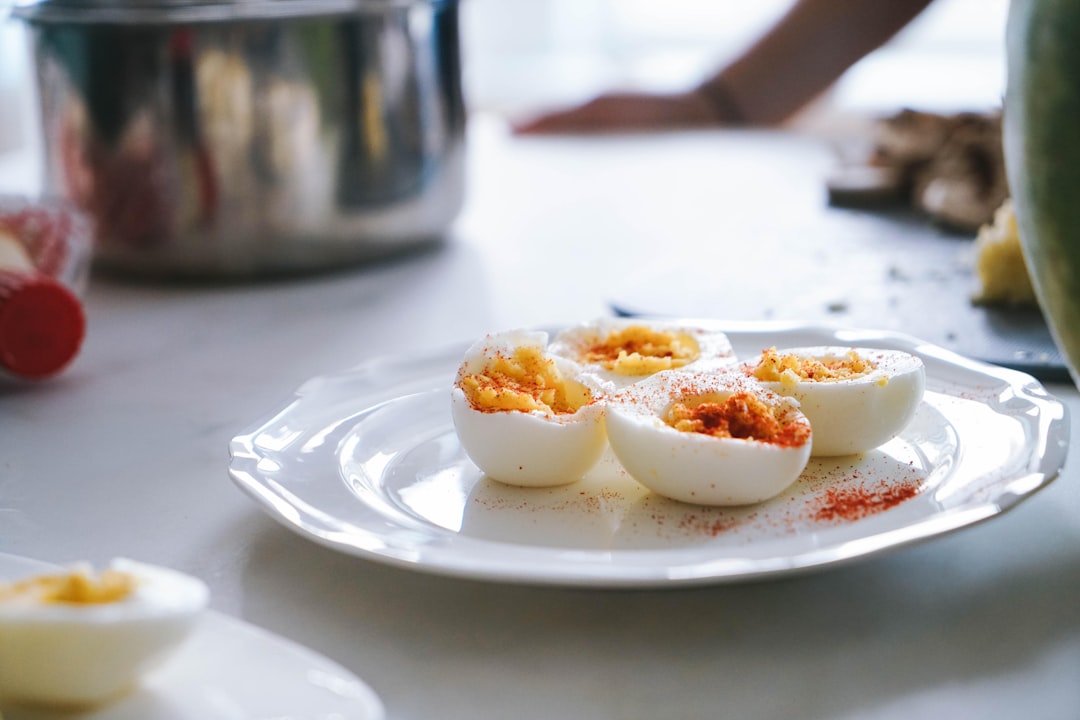
Hard boiled eggs are the perfect base for devilled eggs, egg salad, Cobb salad, and ramen toppings. The fully set yolk holds its shape and absorbs dressings and seasonings without going mushy, which makes it ideal for any recipe where structure matters.
Hard Boiled Eggs FAQ: Your Most Common Questions Answered
Q: How long do you boil an egg for it to be hard boiled?
For a large egg using the cold-start method, boil for 10–12 minutes from the moment the water reaches a full rolling boil. Small eggs need 8–9 minutes and extra-large eggs need 12–13 minutes. After cooking, transfer eggs immediately to an ice bath for 10 minutes to stop carryover cooking. If you're at an altitude above 3,500 feet, add 1–2 extra minutes to account for the lower boiling point of water. The Incredible Egg and RecipeTin Eats both align with this timing range for large eggs.
Q: What's the trick to perfect hard boiled eggs?
The single most important trick is the ice bath the moment they finish cooking. Transferring eggs directly from hot water into a bowl of ice water stops the cooking process instantly, prevents the greenish-gray ring from forming around the yolk, and causes the shell membrane to contract away from the white, making the eggs dramatically easier to peel. Using eggs that are 7–10 days old rather than very fresh eggs also makes peeling significantly easier because the egg white's higher pH reduces its grip on the inner membrane.
Q: Do you put eggs in the water before or after the water boils?
You can do either, but each method has trade-offs. The cold-start method (eggs into cold water, then brought to a boil together) is more forgiving for beginners, reduces the risk of cracked shells, and produces consistent results. The hot-start method (eggs lowered carefully into already-boiling water) gives slightly more control over the final texture and can make shells easier to peel, but you need to lower cold eggs in gently with a spoon to prevent cracking. For most home cooks, cold-start is the better default. Our full how to hard boil eggs perfectly guide covers both in detail.
Q: Is 10 minutes long enough to hard boil eggs?
Yes, 10 minutes is sufficient to hard boil a large egg using the cold-start method, but 12 minutes produces a more reliably fully set yolk with no jammy or translucent center. At exactly 10 minutes the yolk is cooked through but can still appear slightly pale and soft in the center. For egg salad, devilled eggs, or any recipe where a firm, crumbly yolk is needed, 11–12 minutes delivers the best texture. For small eggs, 8–9 minutes is actually ideal since 10 minutes would slightly overcook them.