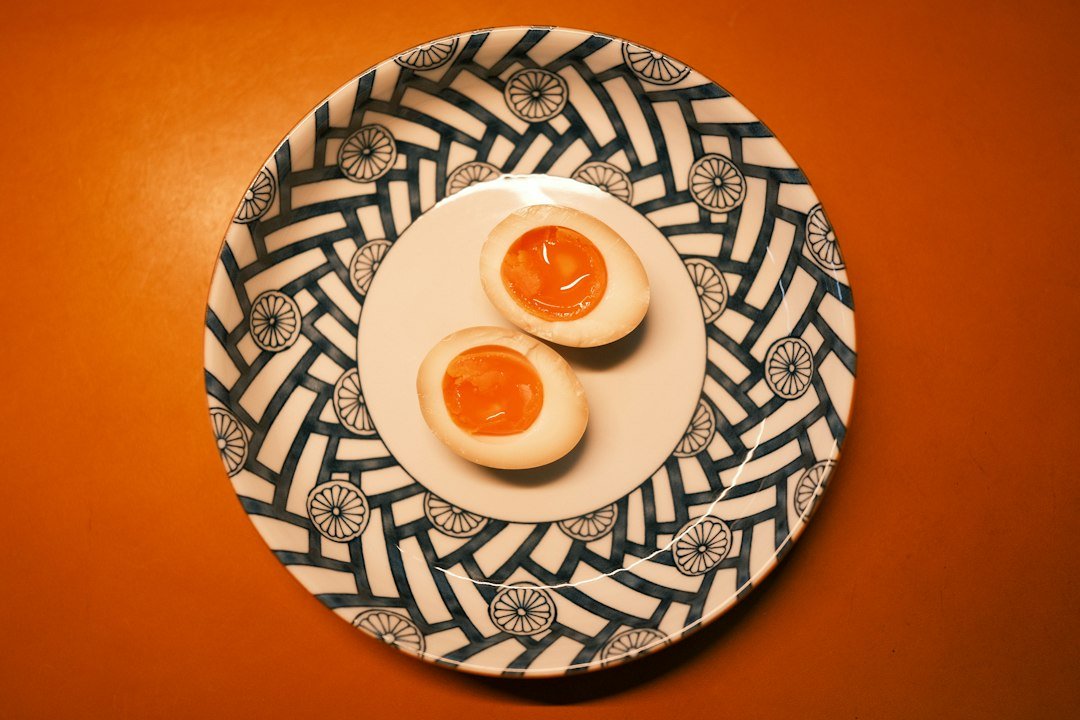
Soft Boiled Eggs Boil Time: The Exact Answer Before You Even Scroll
If you want a direct answer, here it is: for a large, refrigerator-cold egg lowered into already-boiling water, the soft boiled eggs boil time is 6 minutes. That gives you a fully set white with a yolk that's liquid at the center but just beginning to thicken at the edges, which is exactly the runny-jammy result you see on ramen bowls and brunch plates at good restaurants.
That said, "soft boiled" covers a range of results. Boil time actually runs from 4 minutes (very runny white and yolk, almost raw-feeling) all the way to 8 minutes (fully set white with a yolk that's mostly set but still has a soft, slightly fudgy center). The 6-minute mark is the most popular, and it's the benchmark we use throughout this guide.
It's also worth drawing a clear line between soft boiling and hard boiling. Hard boiled eggs need 10 to 12 minutes in boiling water, while soft boiled eggs stay firmly in the 4 to 8-minute window. Going beyond 8 minutes starts taking you out of soft boiled territory. For a full walkthrough of how to boil eggs perfectly across all doneness levels, we've got you covered.
Three variables shift your precise boil time beyond those benchmarks: egg size, starting temperature (fridge-cold versus room temperature), and altitude. RecipeTin Eats confirms that refrigerator-cold eggs are the assumed standard for most timing charts, which is why we use that as our baseline. We'll cover all three variables in detail below.
What You Need Before You Start Boiling
Getting the right equipment and ingredients in place before you fire up the stove makes the difference between consistent results and guesswork. Here's what actually matters.
The pot: Use a medium or large saucepan with enough water to fully submerge your eggs by at least 1 inch. A water level that's too shallow creates uneven heat distribution, which means the tops of your eggs cook more slowly than the bottoms. If you're using an induction stove, check out our guide to best cookware for induction cooktops to make sure your pot heats evenly.
The eggs: Standard timing charts, including the ones on Serious Eats and RecipeTin Eats, are built around large USDA Grade A or AA eggs. Smaller or larger eggs need time adjustments (covered in the next section). If you're not sure what egg varieties you're working with, our types of eggs explained guide breaks it all down.
Starting temperature matters more than most people realize. Refrigerator-cold eggs are the assumed starting point for a 6-minute boil time. Room-temperature eggs, left out for 20 to 30 minutes before cooking, cook approximately 1 minute faster, so you'd pull those at 5 minutes for the same runny-jammy result. This is a point that comes up frequently in home cooking communities, including this Reddit thread on soft boiled eggs, where the fridge-cold versus room-temperature question trips up a lot of beginners.
The timer: Use a timer that counts in seconds, not a rough mental estimate. A 60-second overrun at the 6-minute mark can push a perfectly runny yolk into a fully set one. Your phone's timer works perfectly.
The ice bath: Fill a bowl with cold water and ice cubes before the eggs go into the pot, not after. The ice bath needs to be sitting ready the instant your timer goes off. Delaying it by even 30 seconds allows residual internal heat to keep setting the yolk.
Egg freshness and peeling: Fresh eggs are harder to peel after boiling. Eggs that are 7 to 10 days old peel more cleanly. Use our egg float test freshness guide to check your eggs before you start. You'll also want a slotted spoon or spider strainer for safely transferring eggs from boiling water to the ice bath without cracking them.
Altitude adjustment: At altitudes above 3,500 feet, water boils at a temperature below 212°F/100°C. This means your eggs need 1 to 2 additional minutes to reach the same doneness. At 5,000 feet and above, add the full 2 minutes and test your first batch before doing a large prep run.
Soft boiling is just one of many ways to cook an egg, but it's one of the most technique-sensitive, which is why setup matters so much.
How to Cook Soft Boiled Eggs: Step-by-Step with Exact Boil Times
Follow these steps in order. Skipping or rearranging them, even slightly, affects your result.
Step 1: Bring the water to a full rolling boil first
Fill your saucepan with enough water to submerge the eggs by at least 1 inch, then bring it to a full, rolling boil over high heat before adding any eggs. Starting eggs in cold water and heating them together removes your timing control almost entirely. Serious Eats is emphatic on this point, and it's the single biggest mistake home cooks make with soft boiled eggs.
Step 2: Prepare your ice bath now
While the water heats, fill a bowl with cold water and a generous amount of ice. Set it right next to the stove. Don't wait until the timer goes off to build this, because by then it'll be too late.
Step 3: Lower eggs gently into the boiling water
Use a slotted spoon to lower each egg individually into the boiling water. Don't drop them in. A cracked shell lets water seep into the white, disrupting its texture and causing the white to billow out. RecipeTin Eats and this video guide both demonstrate the gentle-lower technique clearly.
Step 4: Start the timer and adjust the heat
The moment the eggs enter the water, start your timer and reduce the heat slightly to a steady medium-high boil. A violent rolling boil can knock eggs against each other and against the pot, causing micro-cracks. You want active bubbling, not chaos.
Boil Time Table: Large Refrigerator-Cold Eggs in Boiling Water
| Time | White | Yolk | Best For |
|---|---|---|---|
| 4 minutes | Runny, barely set | Very runny, liquid | Sauce or dressing base |
| 5 minutes | Barely set | Very runny | Extremely soft preference |
| 6 minutes | Fully set | Runny-jammy (most popular) | Ramen, toast, grain bowls |
| 7 minutes | Fully set | Jammy-creamy, pale ring forming | Salads, general eating |
| 8 minutes | Fully set | Mostly set, slightly fudgy center | Transitioning toward hard boiled |
For a full comparison across all egg doneness levels, see our boiled egg cooking times guide and our soft vs. hard boil timing breakdown.
Size adjustments: For medium eggs, subtract 30 seconds from the large-egg times above. For extra-large eggs, add 30 seconds. For jumbo eggs, add a full 60 seconds.
Starting temperature adjustments: If your eggs have been resting at room temperature for 20 to 30 minutes, subtract 1 full minute from the large-egg times above. So a room-temperature large egg needs just 5 minutes for that same runny-jammy yolk.
The Mediterranean Dish's guide to boiling eggs is another useful reference that confirms these timing ranges across different doneness levels.
If you'd prefer a hard boiled result instead, you're looking at 10 to 12 minutes, well outside the soft boiled window.
Step 5: Transfer to the ice bath immediately
The moment your timer goes off, use the slotted spoon to transfer each egg directly into the ice bath. Leave them submerged for a minimum of 5 minutes. This isn't optional. Residual heat inside the egg continues cooking the yolk for 60 to 90 seconds after it leaves the boiling water. Even a 30-second delay before the ice bath can push a perfect 6-minute yolk into something much more set than you wanted.
Step 6: Peel cleanly
Tap the wider end of the egg (where the air pocket sits) against a hard surface, roll it gently to crack the shell evenly, then peel under a thin stream of cool running water to rinse away shell fragments as you go.
Sophia Garcia's restaurant consistency tip: In high-volume prep, cook no more than 6 eggs at a time per batch. Adding too many cold eggs at once drops the water temperature sharply, which throws off your boil time for the whole batch.
A note on the Instant Pot: The 5-5-5 method (5 minutes high pressure, 5 minutes natural release, 5 minutes ice bath) is a pressure cooker technique. You can read more about it in our Instant Pot hard boiled eggs method guide. It's not the same as stovetop boil time and doesn't apply here.
Chef Tips for Perfect Soft Boiled Eggs Every Single Time
These are the details that separate a consistently good result from an occasional lucky one.
Never skip the ice bath. We said it in the steps, and we're saying it again because it matters that much. Residual internal heat keeps setting the yolk for up to 90 seconds after the egg leaves boiling water. Without the ice bath, a perfect jammy yolk becomes overcooked.
Use the same size eggs in every batch. Mixing large and extra-large eggs in the same pot means some eggs will be underdone and others overdone when you pull them all at the same time. Buy a consistent size and stick to it.
Match heat to your stove. If your stove runs hot, reduce to medium heat immediately after adding the eggs. You want a steady, active simmer, not a violent boil that cracks shells against the pot walls.
Sophia Garcia's pro tip from restaurant prep: When prepping multiple doneness levels simultaneously, use a permanent marker to write the target cook time on the bottom of each egg before it goes in. It sounds simple, but in a busy kitchen it prevents costly mix-ups.
For ramen and grain bowls specifically, the 6.5-minute mark hits a sweet spot between the 6 and 7-minute benchmarks. It produces a glossy, cohesive jammy yolk that holds its shape perfectly when you slice the egg in half.
Storage after cooking: Soft boiled eggs store unpeeled in the refrigerator for up to 2 days after cooking. Once peeled, eat them within 24 hours, because the delicate white dries out quickly and loses its texture. See our how long eggs last guide for more storage details.
If a shell cracks mid-cook, add a teaspoon of white vinegar to the boiling water. It helps the white coagulate faster around the crack without meaningfully affecting boil time or flavor. This technique is widely endorsed across professional and home cooking communities, and it's consistent with Serious Eats' approach as well as discussions in the home cooking community on Reddit.
At high altitude (above 5,000 feet), water boils closer to 202°F/94°C. Add up to 2 full minutes to your boil time and always test your first batch before committing to a large prep run. The adjustment is real and skipping it consistently produces underdone results at elevation.
For the nutritional angle, soft boiled eggs are one of the healthiest ways to prepare eggs, retaining protein and nutrients without added fat from frying.
Soft Boiled Egg FAQs: Your Questions Answered
Q: Do you salt water for soft-boiled eggs?
Salting the water is optional when making soft boiled eggs. Salt does not penetrate the shell in a way that meaningfully flavors the egg or changes the boil time. However, adding a small pinch of salt or a splash of white vinegar to the boiling water can help the egg white coagulate faster if a shell cracks during cooking, preventing the white from billowing out into the water.
Q: What's the secret to a perfect soft boiled egg?
The secret to a perfect soft boiled egg comes down to three non-negotiable steps. First, always lower eggs into water that is already at a full boil, never start them in cold water, as this removes timing control. Second, use a precise timer the moment the eggs hit the water and pull them at exactly the right mark (6 minutes for a runny-jammy yolk in a large egg). Third, transfer the eggs immediately to an ice bath for at least 5 minutes to stop residual heat from continuing to set the yolk. Miss the ice bath by even 60 seconds and your jammy yolk can become fully set. Serious Eats and RecipeTin Eats both confirm these three steps as the foundation of consistent results.
Q: What is the 5 5 5 rule for eggs?
The 5-5-5 rule for eggs is an Instant Pot method, not a stovetop technique. It means: cook eggs on high pressure for 5 minutes, allow a natural pressure release for 5 minutes, then transfer eggs to an ice bath for 5 minutes. This method produces a result comparable to a stovetop soft boiled egg. It does not apply to boiling eggs in a pot of water on the stove, where the standard soft boiled eggs boil time is 6 minutes for a large refrigerator-cold egg. You can read the full breakdown in our Instant Pot hard boiled eggs method guide.
Q: Are boiled eggs ok for diabetics?
Yes, soft boiled eggs are generally a good food choice for people managing diabetes. Eggs are very low in carbohydrates (less than 1 gram per egg) and have essentially no impact on blood sugar levels. They provide high-quality protein and healthy fats that can support satiety without causing glucose spikes. That said, individual dietary needs differ, and anyone managing a medical condition should follow the guidance of their healthcare provider or registered dietitian regarding overall diet planning.