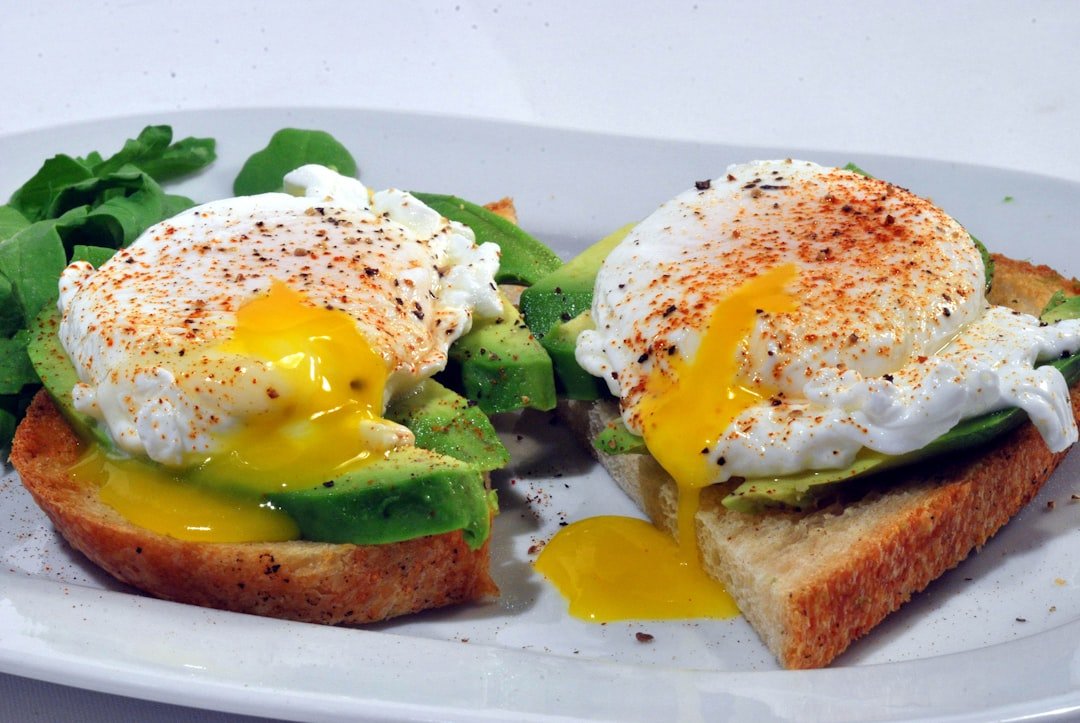
The Healthiest Way to Prepare Eggs: What the Science and a Pro Chef Say
The healthiest way to prepare an egg is to boil or poach it. Both methods use no added fat and preserve the most heat-sensitive nutrients your egg contains. That's not just a chef's opinion; it's consistent with what nutrition researchers have found across multiple studies.
A large whole egg is a genuinely impressive package: roughly 6 grams of complete protein, meaningful amounts of vitamins D and B12, essential choline for brain health, and only about 5 grams of fat. The cooking method you choose either protects that profile or quietly erodes it. Healthline's nutrition research confirms that high heat degrades heat-sensitive nutrients, including vitamin A and the antioxidants lutein and zeaxanthin, which support eye health. Lower-temperature methods keep more of those nutrients intact.
The hidden cost of frying deserves attention too. Cooking an egg in butter or oil can add 50 to 100 calories per egg beyond what the egg itself contains, a figure that surprises most home cooks. Food Network's nutrition experts consistently point to fat-free cooking methods as the best starting point for healthy egg preparation.
In this guide, we've ranked six preparation methods by health impact, explained the precise technique for each, and flagged the equipment that makes the difference. If you're just getting started, our Ways to Cook Egg overview is a great companion read, and our Types of Eggs Explained guide will help you choose the right egg before you even reach the stove.
Before You Cook: Choosing Fresh Eggs and the Right Equipment
Getting to a healthy result starts before the pan hits the heat. Egg freshness matters more than most people realize. As eggs age, their internal pH rises, which alters the texture of both the white and yolk and can accelerate nutrient breakdown during cooking. A simple at-home check helps here: the float test. Place an egg in a glass of cold water. A fresh egg sinks and lies flat. A slightly older egg tilts upright at the bottom. A bad egg floats entirely. That's caused by the air cell inside the shell expanding as the egg ages. Our Egg Float Test Freshness Guide walks through the full process in detail.
When you're at the grocery store, check the Julian date printed on the carton rather than relying on the sell-by date. That three-digit number tells you the exact day of the year the eggs were packed. It's a more reliable freshness indicator than a marketing date.
The type of egg you buy also changes what you're cooking with. Pasture-raised and omega-3 enriched eggs can contain up to twice the vitamin D and significantly more omega-3 fatty acids than conventional eggs, according to Healthline's egg nutrition breakdown. That's a meaningful nutritional difference for a product that's similarly priced in most markets. Our Types of Eggs Explained guide covers the full spectrum of egg varieties and what each label actually means.
On the equipment side, a dedicated egg cooker or steamer insert gives you far more consistent results than eyeballing a stovetop pot. Less guesswork means less overcooking, and less overcooking means more nutrients survive to your plate. If you plan to scramble or fry occasionally, a PFOA-free non-stick pan lets you cook with minimal or no oil, while stainless steel requires considerably more fat to prevent sticking, which adds calories. For readers thinking about upgrading their cookware, our best cookware for induction cooktops guide covers some solid PFOA-free options.
Storage matters too. Keeping eggs at the correct refrigerator temperature of 35–38°F (1.7–3.3°C) maintains both freshness and food safety, extending shelf life up to five weeks from the pack date. For a full breakdown of how long eggs actually last, see our How Long Are Eggs Good in the Refrigerator guide.
6 Healthy Egg Preparation Methods, Ranked and Explained Step by Step
Boiling, poaching, and steaming are the top three healthiest egg preparation methods because they require no added fat and use lower heat that better protects nutrients. Here's how each method ranks and exactly how to execute it well.
1. Hard or Soft Boiling (Healthiest Overall)
Boiled eggs are the gold standard for healthy preparation, and the technique is straightforward once you know the details. Start with cold eggs in a pot, cover with cold water by about an inch, and bring to a gentle boil over medium heat. A gentle boil, not a violent rolling boil, prevents the rubbery whites and grey-green yolk ring that signal overcooking.
For hard-boiled eggs, maintain the simmer for 10–12 minutes, then immediately transfer the eggs to an ice bath. That cold shock stops carryover cooking, preserves the yolk's creamy texture, and prevents the sulfurous hydrogen sulfide reaction that gives overcooked eggs their unpleasant smell. Our How to Boil Eggs Perfectly guide covers every timing variation from soft to hard.
If you prefer a more modern approach, the Instant Pot hard-boiled egg method uses a 5-5-5 formula: 5 minutes on pressure, 5 minutes natural release, 5 minutes in an ice bath. The steam penetrates the shell during pressure cooking, which makes peeling dramatically easier and produces consistently smooth results.
2. Poaching (Lowest Calorie Addition)
Poaching cooks eggs in barely simmering water at around 180°F (82°C) with zero fat involved. The result is a silky, tender white and a runny yolk that's still rich in fat-soluble vitamins. Calorie addition: none.
Fill a wide saucepan with about 3 inches of water and bring it to a gentle simmer. Add one teaspoon of white vinegar per quart of water. The vinegar accelerates protein coagulation in the white, helping it hold together into a neater shape without any detectable flavor change at that concentration. Crack each egg into a small cup first, then slide it gently into the water. Cook for 3–4 minutes until the white is set but the yolk still moves.
For busy mornings, the microwave poached egg method produces a comparable result in under 2 minutes using a microwave-safe mug and about a third of a cup of water. It's a genuinely useful technique on time-pressed days.
3. Steaming (Gentler Than Boiling)
Steaming positions eggs above (not in) the water, and the gentler heat produces whites that are noticeably more tender than boiling delivers. Nutrient retention is comparable to boiling, making steaming a strong second choice when you want a slightly softer texture. Use a steamer basket over an inch of simmering water, cover with a lid, and cook for 6 minutes for a soft yolk or 12 minutes for fully set.
4. Scrambling Without Added Fat
Using a PFOA-free non-stick pan over low heat, you can produce creamy scrambled eggs without a drop of butter or oil. The key technique is folding the eggs slowly with a silicone spatula and pulling the pan off the heat just before the eggs look fully set. Residual heat finishes the cooking, and you avoid the dry, rubbery texture that comes from high heat.
Alternatively, microwave scrambled eggs cooked in 30-second bursts with stirring between each burst require zero fat and achieve fluffy, light results. That makes them one of the lowest-calorie scrambled egg options available, and the cleanup is minimal.
5. Over Easy or Over Medium with Minimal Oil
Fried eggs don't have to be a nutritional compromise. The difference comes down to what you're frying in and how much of it you use. A light spray of avocado oil delivers approximately 1 gram of fat per spray compared to about 11 grams per full tablespoon of butter, cutting the saturated fat load by roughly 90%.
For over easy eggs, cook in a lightly sprayed pan over medium-low heat until the white is set, then flip briefly. Over medium eggs go a step further, allowing the yolk to partially set, which reduces any minor food safety concerns associated with runny yolks while still keeping the yolk less rubbery than a fully cooked fried egg.
Healthline notes that high-heat frying is the preparation most associated with antioxidant loss; a 2018 study found that frying at high heat reduced lutein content by up to 20% compared to soft boiling. Lower heat and less oil make a real difference, as Food Network's nutrition team reinforces in their healthy cooking recommendations.
6. Baked (Shirred) Eggs
Baking eggs in a ramekin at 325°F (163°C) for 12–15 minutes requires no stovetop fat and produces consistently set whites with a soft, creamy yolk. It's an ideal method for batch preparation when you're cooking for several people at once. You can line the ramekin with a very light spray of oil to prevent sticking, which still adds negligible calories.
Across all six methods, one safety point applies universally: the egg white should reach 160°F (71°C) internal temperature to eliminate Salmonella risk, even if you prefer a soft yolk. A food thermometer removes the guesswork entirely. The Institute for Integrative Nutrition's egg cooking guide echoes this point alongside its broader nutrient-preservation advice.
Chef Tips: Mistakes to Avoid and Smarter Swaps for Healthier Eggs
The single most impactful change most home cooks can make is switching from a full tablespoon of butter or oil per egg to a light spray of avocado or olive oil. That one swap cuts the fat addition by approximately 90% with no meaningful change to the final texture when you're cooking over moderate heat.
A less obvious swap applies to scrambled eggs: skip the milk or cream and use one teaspoon of water per egg instead. The water converts to steam inside the curds as they cook, producing equally fluffy results without the added saturated fat. Integrative Nutrition's research supports this approach for keeping scrambled eggs nutritionally clean.
High heat is the top nutrient-destroying mistake in egg cooking. Above 300°F (149°C), the Maillard reaction and cholesterol oxidation accelerate, producing compounds associated with inflammation, as Healthline's nutrition coverage explains. Keeping the heat moderate protects both the egg's flavor and its micronutrient content.
Timing your salt addition matters more than most recipes suggest. Salting eggs before cooking draws out moisture through osmosis, which makes the whites tougher and drier. Salt scrambled or fried eggs only once they've come off the heat for noticeably better texture.
If you're making hard-boiled eggs, peel them immediately after the ice bath while they're still slightly warm. Cold eggs are significantly harder to peel cleanly, and torn whites mean wasted food. Our Devilled Egg Perfect Results Guide covers this technique in detail for anyone making batch-cooked eggs.
On the nutritional pairing side: serving eggs alongside vegetables high in vitamin C (bell peppers, tomatoes, or spinach) enhances iron absorption from the yolk. It's a simple upgrade that requires no change to your cooking method at all.
One more point worth knowing: always cook the egg white fully, even if you prefer a soft yolk. Raw egg whites contain avidin, a protein that blocks biotin (vitamin B7) absorption. Cooking denatures avidin and makes the egg white far more digestible. A soft yolk with a fully set white is both safe and nutritionally complete, a point that also comes up in community nutrition discussions focused on everyday healthy eating.
Frequently Asked Questions About Healthy Egg Preparation
What is the healthiest method to cook eggs?
Boiling and poaching are the healthiest methods to cook eggs. Both require zero added fat, keeping calorie count to the egg alone (approximately 70–80 calories per large egg). They also use moderate heat, which preserves heat-sensitive nutrients like vitamin A, vitamin D, B12, and the antioxidants lutein and zeaxanthin better than high-heat frying, as confirmed by Healthline's nutritional analysis and Food Network's healthy cooking guidance. Steaming is a close third, producing equally tender whites with comparable nutrient retention.
Can you eat eggs with heart disease?
Yes, most people with heart disease can eat eggs in moderation. Current evidence, including guidance from major cardiology bodies, shows that consuming up to one egg per day does not significantly raise cardiovascular risk for most people. The preparation method matters greatly: boiled or poached eggs add no saturated fat, making them a heart-safer choice than eggs fried in butter. If you have elevated LDL cholesterol, speak with your cardiologist about your personal limit, as some individuals are hyper-responders to dietary cholesterol.
What is the best way to cook eggs for a diabetic?
Hard-boiled or poached eggs are the best preparation for people with diabetes. Eggs have a glycemic index of effectively zero as they contain less than 1 gram of carbohydrates, so they don't spike blood sugar regardless of cooking method. However, frying in butter adds saturated fat that can worsen insulin resistance over time. Boiling or poaching eliminates added fat entirely, maximizing the egg's high-protein, low-glycemic benefit without any metabolic downside, a point supported by Integrative Nutrition's healthy cooking research.
Can eggs help with muscle recovery?
Yes, eggs are one of the most effective foods for muscle recovery. Each large egg contains approximately 6 grams of complete protein with a near-perfect amino acid profile, including high concentrations of leucine, the branched-chain amino acid that most directly activates muscle protein synthesis after exercise. Eating 2–3 whole eggs within 30–60 minutes post-workout provides a rapid, bioavailable protein hit. Boiled or scrambled eggs without added fat are the cleanest recovery preparation, delivering protein without excess saturated fat that can slow digestion.