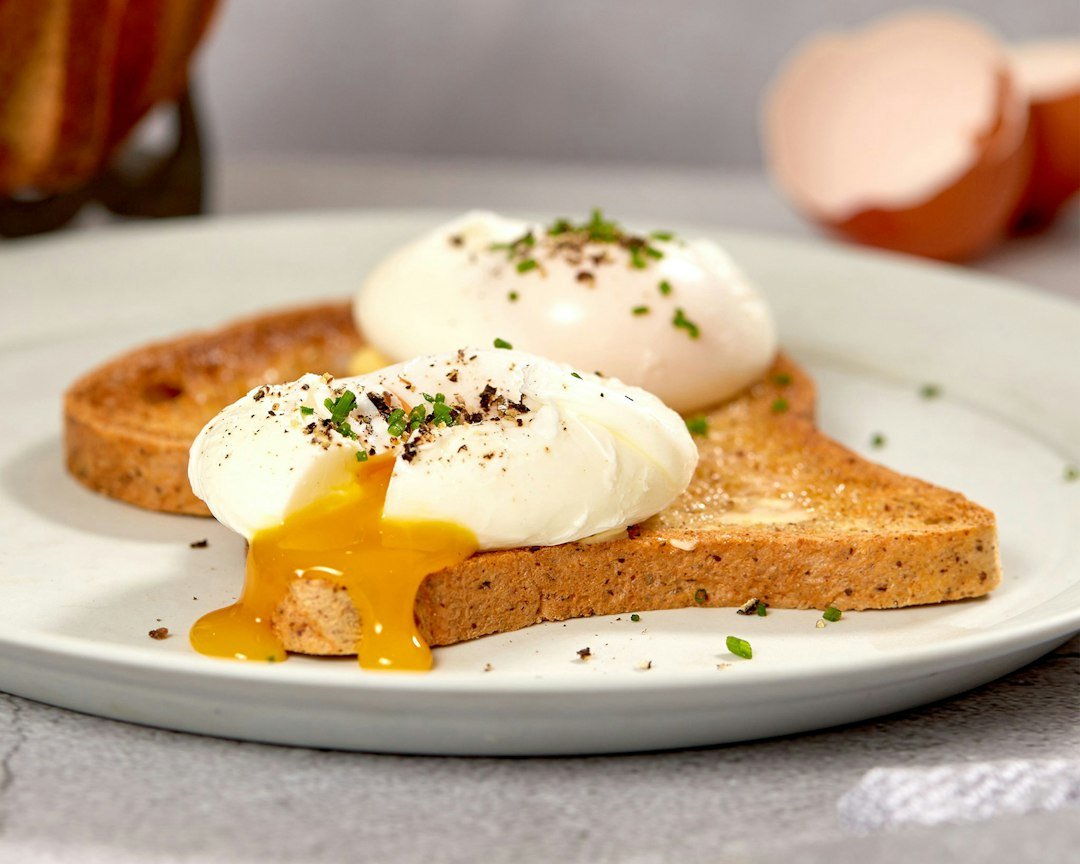
What Is an Egg Poacher, and Is It Worth Buying?
An egg poacher is a cup, ring or tray that holds an egg in simmering water or steam so it cooks into a tidy, uniform shape. Silicone cups are the easiest option for most beginners, since they're inexpensive, nonstick and forgiving. You get a neat egg without learning the whirlpool technique.
Is it worth it? If you cook eggs for more than one person, or you want the same result every time, yes. Poaching is one of many ways to cook an egg, and a poacher trades some of the silky, wispy look of a classic poached egg for consistency and ease. Reviewers who have tested a range of egg poachers land on the same trade-off.
Our recommendations draw on the restaurant kitchen experience of Sophia Garcia, a retired professional chef. On a busy line, consistent timing and clean plating matter on every ticket, and that's the lens we've applied here. You can read more about her on our about page.
Egg Poacher Types Compared: Which Style Suits Your Kitchen?
Silicone poachers are best for beginners, stainless steel for durability, microwave models for speed, and electric models for cooking several eggs at once. Here's how the main styles stack up.
| Type | Best for | Typical price | Main drawback |
|---|---|---|---|
| Silicone cups | Beginners | $8-$15 | Tip or leak if not greased |
| Stovetop pan with cups | Steady results | Varies | Coating can scratch |
| Stainless steel rings | Pan-poached look | Low | Less leak protection |
| Microwave poacher | Speed | Low | Yolks can burst |
| Electric poacher | Batches | $25-$50 | Storage space |
Silicone cups
These float in simmering water or sit in a pan. They're flexible, so eggs release easily with a light oil coat, and most are dishwasher safe. A set of two to four usually costs roughly $8-$15. The common complaint is that cups tip or whites leak under the rim if they aren't greased. You can browse popular egg poachers on Amazon to see how many silicone styles are on offer.
Stovetop pan with cups
This style has a nonstick or stainless steel insert tray that steams eggs above the water. It holds two to four eggs and cooks them evenly. Nonstick coatings can scratch with metal utensils, and stainless pans need oil to prevent sticking. Check induction compatibility before you buy, and our guide to the best cookware for induction cooktops explains what to look for. Some makers, such as Prepara, sell this tray-and-pan format.
Stainless steel rings
Rings sit in a skillet of shallow simmering water. They're durable and long-lasting, but they offer less leak protection and need greasing. They suit cooks who want the look of a pan-poached egg.
Microwave poachers
These are typically a two-part plastic dish and they're the fastest option, at about one minute. The risk is that yolks burst and whites turn rubbery if overcooked, so cook in short intervals and let eggs rest. If you'd rather skip the gadget, the no-gadget method in our guide to a poached egg in the microwave works in a pinch for a single egg.
Electric poachers
Electric models hold up to six or seven eggs on trays and steam automatically, which suits family brunches. They take up storage space and often cost $25-$50.
Silicone vs. metal
Silicone is gentler and easier to clean. Stainless steel withstands high heat and lasts longer, but it needs more oil and attention. Some brands, like From Our Place, lean on a dedicated pan design, and others like OXO explain the thinking behind their poacher design, which is useful when comparing features.
What to check before buying
- BPA-free or food-grade silicone
- A dishwasher-safe label
- Cup size suited to a large egg
- A handle or lifting tool to avoid burns
How we judge a poacher
We look at ease of release, white texture, yolk doneness consistency, shape, cleanup time and storage footprint.
Poacher vs. whirlpool method
A poacher beats the whirlpool method on consistency and speed when you're cooking multiple eggs. It loses on texture: steamed whites are firmer and the egg lacks the classic wispy edge. For a lighter meal, poaching is also a good pick, as we cover in the healthiest way to prepare eggs. If you prefer a stovetop fried style instead, see how to cook eggs over easy, or learn how to cook a hard boiled egg for another gadget-free option.
How to Use an Egg Poacher: Chef Tips for Perfect Results
For a runny yolk, poach an egg in a poacher cup for about 3 minutes over gently simmering water. Here's the full method.
- Bring 1-2 inches of water to a gentle simmer, around 180-190°F. You want small bubbles, not a rolling boil.
- Lightly oil the cups.
- Crack in the eggs.
- Cover and cook.
Timing
- About 3 minutes: runny yolk, set whites
- 4 minutes: jammy yolk
- 5-6 minutes: firm yolk
Add 30-60 seconds in covered steam poachers if the whites still look glossy. As the OXO team notes about poacher design, a lid helps trap steam for even cooking.
Start with fresh eggs
Fresh eggs have tighter whites that hold their shape, while older eggs spread and leak under rims. Try the egg float test to check, read types of eggs explained to pick the right carton, and see how long eggs last in the refrigerator to stay on the safe side.
Do you need vinegar?
A splash (about 1 teaspoon per quart) helps whites set in open-water poaching, but it's unnecessary inside a cup.
Quick fixes
- Sticking: Brush with neutral oil or butter, and run a thin knife around the edge before lifting.
- Rubbery whites: Lower the heat, shorten the time, and lift eggs out immediately onto a towel-lined spoon.
- Uneven cooking: Use similar-sized eggs, preheat the water first, and keep the lid on.
Cleanup
Soak silicone in warm soapy water. Avoid abrasive pads on nonstick surfaces.
Which Egg Poacher Should You Buy?
Choose silicone cups for budget and easy cleanup, a stovetop steam pan for steady results, a microwave model for speed, and electric trays for batches. Whichever you pick, pair it with fresh eggs and gentle heat for the best texture.
If you're stocking up, our ideas on the cost of freezing eggs at home can help. Once you've mastered poaching, extend your egg skills with a deviled egg guide or our hard boiled egg time chart. You'll find more gadget guides and reviews across The Top Kitchen to match tools to your cooking style.
Egg Poacher FAQs
How do you use an egg poacher?
Heat about an inch or two of water to a gentle simmer, lightly oil the poacher cups, crack an egg into each, cover, and cook about 3 minutes for a runny yolk or 5 to 6 minutes for a firm one. Lift out with a spoon and drain on a towel.
Is a silicone or metal egg poacher better?
Silicone is easier for beginners because it releases eggs readily and is simple to clean. Stainless steel is more durable and handles high heat but needs oil to prevent sticking.
How do you stop eggs from sticking to a poacher?
Brush the cups with a thin layer of neutral oil or butter before adding the egg, and run a thin knife around the edge before lifting the egg out.
Can you poach an egg in the microwave?
Yes. Use a microwave poacher or a cup of water, and cook in short 20 to 30 second bursts, as overcooking can make yolks burst and whites rubbery.
Do you need vinegar when using an egg poacher?
No. Vinegar helps whites set when poaching in open water, but eggs held in a poacher cup stay contained, so it isn't needed.