Microwave Scrambled Eggs: Fast, Fluffy, and Foolproof
If you've ever pulled a rubbery, grey slab of egg out of the microwave and wondered where you went wrong, you're not alone. The good news is that the fix is simple. To make microwave scrambled eggs, whisk 1–2 eggs with a splash of milk in a microwave-safe mug, microwave on 50% power in 30-second intervals, stirring between each, until just set – about 60–90 seconds total. That's really all it takes.
A single egg cooks fully in 60–90 seconds at 800–1000 watts when you use medium power (50–70%), and the process is even easier than it sounds. According to The Kitchn's microwave scrambled egg recipe, the method is reliable enough for everyday mornings when you don't have time to babysit a pan. The Incredible Egg's basic microwave scrambled egg guide backs this up with similar timing.
The single most important technique is stopping the microwave every 30 seconds to stir. That one habit prevents the rubbery, overcooked texture that puts people off microwave eggs. Using medium power rather than full power is the chef-level adjustment that separates silky eggs from tough ones. And unlike some cooking myths, microwave scrambled eggs retain comparable protein and nutrient content to stovetop versions because the shorter cook time actually reduces total heat exposure.
If you're curious about all the ways to cook eggs or want to understand the differences between types of eggs before you crack one open, we've covered both topics in depth.
How to Make Microwave Scrambled Eggs: Wattage, Technique, and Chef-Level Upgrades
Getting the Power Level and Timing Right
The most common mistake people make is hitting "Start" at full (100%) power and walking away. When egg proteins are exposed to intense, uninterrupted microwave energy, they contract rapidly and unevenly, producing a tough, rubbery result. The fix is straightforward: cook on 50% power and stir every 30 seconds. That's it. Microwave scrambled eggs become fluffy and soft when you give the proteins time to set gently rather than seize all at once.
Timing varies by serving size and microwave wattage, so here's a practical breakdown:
One egg: Microwave on medium power (50%) for 30 seconds, stir, then cook in 15-second bursts until just barely set. Total time is typically 45–60 seconds in a standard 1000-watt microwave. If your microwave runs at 700 watts, add 15–20 seconds to that estimate.
Two eggs: Use 30-second intervals at 50–70% power, stirring after each one. Expect 60–90 seconds total at 1000 watts. A 700-watt microwave will need closer to 90–120 seconds, while a 1200-watt model may finish in as little as 60 seconds on 50% power. For two eggs in a 1000-watt microwave, cook on 50–70% power for 30-second intervals, stirring between each, for a total of 60–90 seconds – that's the reliable baseline.
Four eggs: Increase total cook time to 2–3 minutes at 50% power, stirring every 30 seconds. Larger volumes need more time and, just as importantly, a different container. A mug won't do here – you need a wider, shallower microwave-safe bowl so heat can distribute evenly across the egg mass rather than cooking the edges while the center stays raw.
For more on how microwave cooking differs from conventional methods, our microwave vs convection oven cooking guide explains the underlying heat-transfer principles clearly. You can also browse all our microwave cooking guides for appliance-specific advice.
The Right Container Matters More Than You'd Think
A microwave-safe ceramic mug works well for one or two eggs. Ceramic distributes heat more evenly than thin plastic and reduces the chance of hot spots. For larger batches, a wide, shallow borosilicate glass bowl is ideal because it gives you full visual monitoring of the cook without opening the microwave door. Avoid any plastic container unless it's explicitly labeled "microwave-safe," since some plastics can leach chemicals under heat. As Allrecipes' fluffy microwave scrambled egg recipe notes, container choice genuinely affects the final texture.
Covering the bowl loosely with a microwave-safe plate or a single layer of paper towel is worth doing every time. It traps steam, which helps the eggs cook more evenly and prevents that dried-out surface texture. It also keeps the microwave interior clean, which is a practical bonus.
Milk vs. Water, and When to Add Salt
Adding one teaspoon of milk per egg produces a creamier, slightly richer curd. Swapping in one teaspoon of water instead creates a lighter, airier texture. Both approaches are valid – it comes down to personal preference. The r/cookingforbeginners thread on microwave scrambled eggs shows home cooks debating exactly this, with milk winning on flavor and water winning on simplicity.
One detail that surprises people: don't add salt before cooking. Salt draws moisture out of egg proteins and can tighten the curd when applied early. Adding it just before serving preserves the soft, tender texture you've worked for throughout the cook.
Ingredient Quality Changes Everything
Because there's no high-heat browning, no butter in the pan, and no caramelization to mask off-flavors, fresh eggs matter more in the microwave than in most other cooking methods. Starting with a quality egg is the easiest upgrade you can make. Our guide to choosing high-quality eggs walks through what to look for at the store.
Before you cook, it's also smart to verify freshness. The egg float test is a quick, reliable method you can do at home. For reference on storage timelines, check our guides on how long eggs last and how long eggs are good in the refrigerator before you reach for that carton from the back of the fridge.
Chef-Approved Add-Ins and Flavor Upgrades
The base recipe is intentionally simple, but microwave scrambled eggs take well to additions. Here are the upgrades worth trying:
- Shredded cheese: Add it in the final 15 seconds of cooking so it melts without toughening. Cheddar, gruyère, and feta all work well.
- Cold butter: A small knob folded in right before serving adds richness and a glossy finish that closely mirrors what you'd get from a low-and-slow stovetop method.
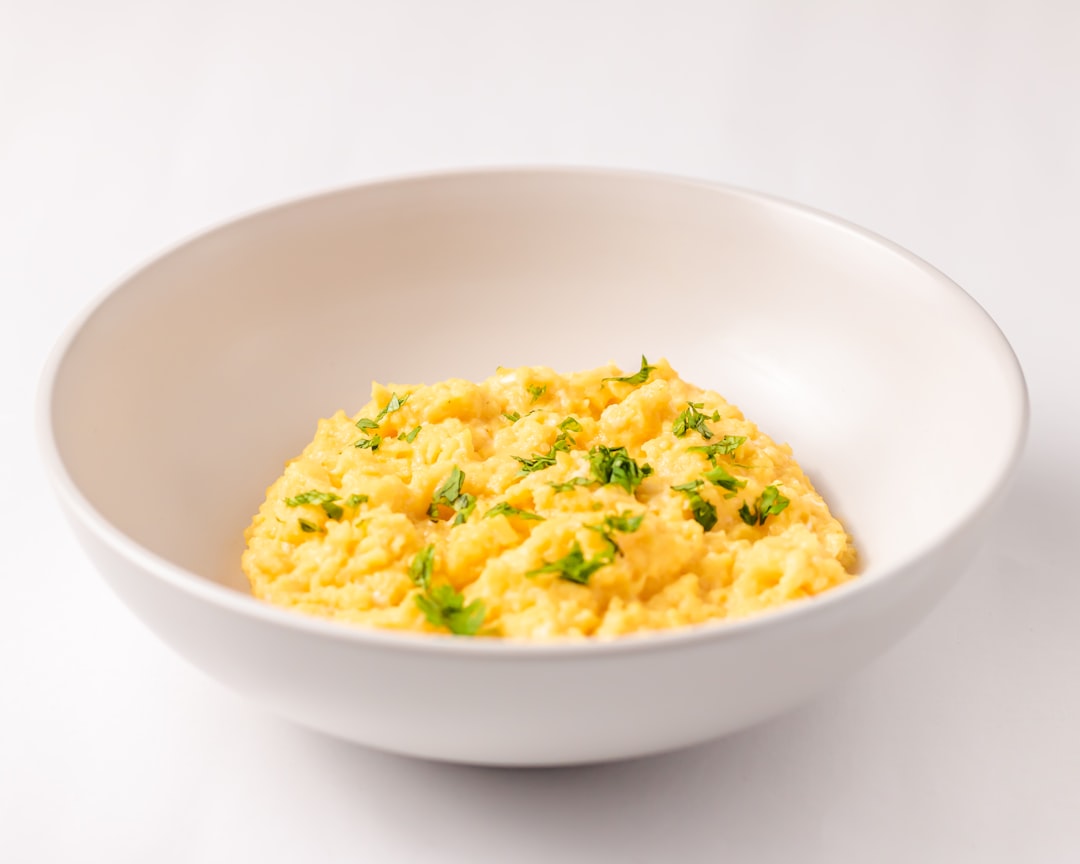
- Fresh herbs: Stir in chives, parsley, or tarragon after cooking so the heat doesn't destroy their flavor.
- Smoked salmon or sautéed mushrooms: These turn a basic microwave scrambled egg into something genuinely restaurant-quality.
- Hot sauce: A few drops added just before eating brightens the whole dish.
The Incredible Egg guide and this video tutorial on microwave scrambled eggs both demonstrate how well these add-ins integrate into the microwave method.
How Microwave Eggs Compare to Stovetop
Each large egg delivers approximately 6g of protein and 5g of fat regardless of cooking method – the macronutrient profile doesn't change in the microwave. What does change is the process: microwave eggs require no added cooking oil or butter in the pan, making them slightly lower in total fat when cooked plain. Stovetop scrambled eggs cooked in butter over low heat with continuous agitation can develop a marginally richer texture, but microwave eggs cooked at reduced power with regular stirring come very close to that result in a fraction of the time.
If you want to branch out from scrambled eggs, our guide to how to poach an egg in the microwave covers another fast microwave egg technique. And if you're looking for something to do with hard-boiled eggs, the devilled egg guide is a reliable starting point for a crowd-pleasing dish.
The Bottom Line: Perfect Microwave Scrambled Eggs Every Time
Three variables control the outcome of microwave scrambled eggs: power level (50% is optimal), stirring frequency (every 30 seconds), and container choice (wide ceramic or glass). Get those three right, and you'll produce fluffy, tender eggs consistently, regardless of what microwave you're working with.
As The Kitchn's recipe puts it, microwave eggs are a genuinely practical option for busy mornings. No pan, no oil, less than two minutes of active cooking, and a nutritionally equivalent result to stovetop. That's a real trade-off worth making on most weekdays.
If you want to make sure your microwave is set up to deliver consistent results, our microwave cooking category covers wattage guides, appliance reviews, and technique deep-dives. For broader cooking inspiration, the food preparation guides section organizes everything from egg methods to full meal prep strategies in one place.
Microwave Scrambled Eggs: Frequently Asked Questions
Should I add milk or water to microwave scrambled eggs?
Milk produces creamier eggs; water produces lighter eggs. Use one teaspoon per egg of either liquid. According to the Incredible Egg's microwave recipe, both ratios hold up well across wattages. Milk is the more popular choice for a classic flavor, while water suits anyone who prefers airier curds or wants to keep calories lower.
Do I need to cover scrambled eggs in the microwave?
Yes, and it's worth doing every time. A loosely placed microwave-safe plate or paper towel traps steam for even cooking and prevents splatter. The Allrecipes fluffy microwave scrambled egg recipe recommends covering as a standard step, not an optional one.
How do I prevent microwave scrambled eggs from becoming rubbery?
Cook on 50% power and stir every 30 seconds. Eggs that aren't stirred develop uneven hot spots where protein seizes into tough, dry patches while the center stays undercooked. Pulling the eggs out while they still look slightly underdone also helps, since residual heat finishes the cooking gently. The r/cookingforbeginners thread is full of cooks confirming this fix works.
How long does it take to make scrambled eggs in the microwave?
For one egg at 1000 watts on 50% power, expect 45–60 seconds total. For two eggs, plan for 60–90 seconds. For four eggs, allow 2–3 minutes, always cooking in 30-second intervals with stirring between each burst. Higher-wattage microwaves (1100–1200 watts) cook faster; lower-wattage models (700–800 watts) need a little more time.
What is the best container for microwave scrambled eggs?
A wide, shallow ceramic bowl or a borosilicate glass mug or measuring cup. Ceramic distributes energy evenly; glass lets you watch the cook in real time. Avoid unlabeled plastic. For one egg, a standard 12-ounce ceramic mug is fine. For four eggs, switch to a wider bowl so the egg layer stays shallow and cooks evenly.
When should I add salt to microwave scrambled eggs?
Just before serving, not before or during cooking. Early salting draws moisture from the egg proteins and can tighten the curd, producing a firmer texture than most people want. Seasoning at the end keeps the curds soft and tender.
Are microwave scrambled eggs as nutritious as stovetop scrambled eggs?
Yes. Each large egg delivers roughly 6g of protein and 5g of fat whether it's microwaved or cooked on the stovetop. Shorter cook times may actually preserve more heat-sensitive B vitamins. The main practical difference is that microwave scrambled eggs typically require no added cooking fat, making them slightly lower in total calories than eggs cooked in butter or oil.