How to Boil Hard Boiled Eggs: The Direct Answer
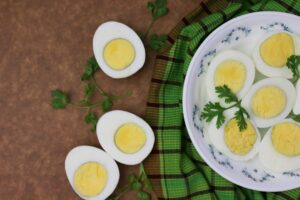
To boil a hard boiled egg, place your eggs in a single layer in a saucepan, cover them with cold water by at least an inch, then bring the water to a full rolling boil over medium-high heat. Once boiling, reduce to a gentle medium boil and cook for 10–12 minutes. Ten minutes gives you a fully set but slightly creamy yolk, while 12 minutes produces a completely firm, dry yolk. As soon as the timer goes off, transfer the eggs straight into an ice bath and leave them there for at least 5 minutes.
That ice bath step isn't optional. It stops the cooking process the moment the eggs leave the hot water, and it's the single biggest factor between eggs that are tender and eggs that are rubbery. RecipeTinEats covers this timing clearly, and Love & Lemons also emphasises the cold-water start as the most reliable approach.
We prefer the cold-water start over dropping eggs into already-boiling water because it reduces cracking significantly and gives you more precise, repeatable control over the final texture. Since the difference between a soft boiled egg and a hard boiled egg is only 2–4 minutes of total cook time, that control matters more than most people realise. For a detailed breakdown of exact timing windows, see our guide on how long to boil eggs hard boiled.
Hard boiling is just one of many egg cooking techniques. If you're curious how it fits alongside frying, poaching, or scrambling, our ways to cook egg guide covers the full picture.
What You Need Before You Start Boiling Eggs
Getting your setup right before the water even goes on the stove makes a noticeable difference in results.
Choose the right eggs. Eggs that have been in the refrigerator for 7–10 days peel far more easily than eggs bought that morning. As an egg ages, its internal pH rises and the membrane between the shell and the white gradually loosens. Very fresh eggs cling to the shell stubbornly. If you've ever struggled to peel hard boiled eggs cleanly, egg age is almost always the cause. Use our egg float test freshness guide to check your eggs before you cook: a fresh egg sinks and lies flat on the bottom of a glass of water, a week-old egg stands upright, and a bad egg floats. Any egg that floats should go in the bin.
Use large eggs as your baseline. All the timing in this article is calibrated for large eggs, which is the standard used in most recipes and timing charts, including those at Love & Lemons and The Turquoise Table. If you're working with jumbo eggs, add 1–2 minutes. Medium eggs need about 1 minute less. One thing that doesn't affect cook time at all is shell colour, production method, or whether the eggs are organic or free-range. Those variables change flavour and nutrition, but they don't change how long the egg takes to set. For more on egg varieties, see our types of eggs explained article.
Gather your equipment. You need a saucepan large enough to fit your eggs in a single layer without stacking. Stacked eggs heat unevenly and produce inconsistent results. You also need a slotted spoon for transferring eggs and, most importantly, a large bowl filled with cold water and at least two cups of ice. Prepare that ice bath before you put the eggs on to cook. If you fill it after the timer sounds, you'll almost certainly overcook your eggs by the time it's ready.
One small addition worth knowing: a tablespoon of white vinegar per quart of water in your pot helps coagulate any egg white that leaks through a crack during cooking, keeping the mess contained without affecting the flavour.
Step-by-Step: How to Boil Hard Boiled Eggs on the Stovetop
Follow these six steps in order and you'll have perfectly cooked, easy-to-peel hard boiled eggs every time.
Step 1: Arrange Eggs in a Single Layer
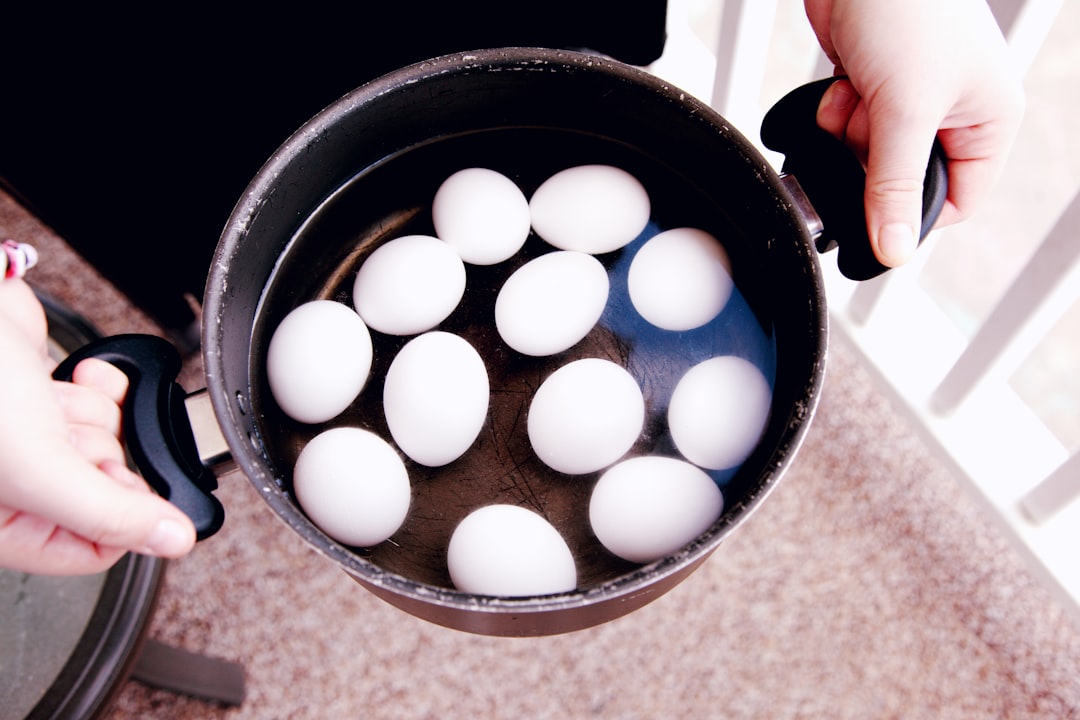
Place your eggs in the bottom of a medium or large saucepan in a single layer. Don't stack them. Pour in enough cold tap water to cover the eggs by at least 1 inch. Starting with cold water is the method favoured by professional cooks, including at RecipeTinEats, because it heats the eggs gradually and evenly, reducing thermal shock that causes shells to crack.
Step 2: Bring the Water to a Full Rolling Boil
Set the burner to medium-high heat and bring the water to a full rolling boil. Don't start your timer yet. The boil point is your consistent reference mark, and starting the timer before it's reached is one of the most reliable ways to end up with undercooked eggs. Love & Lemons and The Turquoise Table both confirm: wait for the full boil.
Step 3: Reduce Heat and Set Your Timer
Once the water is at a full rolling boil, reduce the heat to medium to maintain a gentle, steady boil. Then start your timer. Here's what each time produces:
| Cook Time | Yolk Texture | Best Use |
|---|---|---|
| 6 minutes | Runny yolk, set white | Soft boiled eggs |
| 8 minutes | Jammy, partially set yolk | Medium boiled eggs |
| 10 minutes | Fully set, slightly creamy yolk | Slicing, snacking |
| 12 minutes | Firm, dry yolk | Deviled eggs, egg salad |
For detailed timing comparisons between soft and hard boiled styles, see how long to boil egg soft hard. For specific hard boiled timing guidance, our hard boiled egg boiling time page has everything you need.
A note on stovetop type: Gas burners respond to heat changes instantly, so reduce the flame promptly when you lower the heat. Electric coil burners hold heat after you turn them down, so briefly slide the pan off the coil for 30 seconds before returning it. Induction cooktops are the most precise option and can hold a steady simmer temperature throughout the cook, reducing the chance of a furious rolling boil that causes eggs to knock together and crack. If you're cooking on induction and want to optimise your setup, our best cookware for induction cooktop guide is worth a look.
High altitude adjustment: Above 3,500 feet, water boils at roughly 203°F rather than the sea-level 212°F, which means each minute of cook time transfers less heat to the egg. Add 1–2 minutes to your timer at altitude. See how long to cook boiled egg for more detailed altitude-specific guidance.
Step 4: Prepare Your Ice Bath
While the eggs cook, fill a large bowl with cold water and at least two cups of ice cubes. This needs to be ready before the timer goes off. A properly cold ice bath drops the egg's temperature fast enough to halt residual cooking within seconds of the eggs being submerged.
Step 5: Transfer Eggs to the Ice Bath Immediately
When the timer sounds, use a slotted spoon to move the eggs directly into the ice bath. Don't delay. Leave them there for a minimum of 5 minutes. This is the step that prevents the green-grey ring on the yolk and keeps the white from becoming rubbery.
Step 6: Peel Under Cool Running Water
Once the eggs have chilled, tap each one gently on the counter, then roll it slightly with your palm to craze the shell all over. Hold the egg under a thin stream of cool running water as you peel. The water gets under the membrane and lifts the shell away cleanly. This technique is faster and tidier than peeling in a bowl of still water.
If you're looking for other ways to cook hard boiled eggs beyond the stovetop, our Instant Pot hard boiled eggs method is a great alternative, especially for batch cooking.
Chef Tips for Perfect Hard Boiled Eggs Every Time
These are the details that separate consistently great results from hit-or-miss ones.
Prevent the green-grey ring. That discoloured ring around a hard boiled yolk is iron sulphide, formed when iron in the yolk reacts with sulphur in the white at sustained high heat. It's completely safe to eat, but it tells you the egg was overcooked or sat in hot water too long. Sticking to the 10–12 minute window and using an ice bath immediately prevents it entirely. RecipeTinEats and The Turquoise Table both flag this as the top overcooking sign to watch for.
Fix rubbery egg whites. Rubbery whites come from cooking at too high a temperature for too long. Keeping the heat at a gentle medium boil rather than a furious rolling boil makes a real difference. The eggs cook through just fine at a gentler simmer, and the whites stay tender.
Make peeling easier every time. If your hard boiled eggs are consistently difficult to peel, age is the issue. Switch to eggs that have spent at least a week in the refrigerator. If you can only source very fresh eggs, try adding a small pinch of baking soda to the boiling water. Baking soda raises the water's pH, which accelerates the loosening of the membrane from the shell interior. It's a trick from professional prep kitchens and it works noticeably well. Peel the eggs under cool running water rather than in a bowl of still water for the cleanest results. For a deeper look at perfecting the technique, see how to hard boil eggs perfectly.
For deviled eggs, always use 12 minutes. The extra-firm, dry yolk you get at 12 minutes is the easiest to scoop cleanly from the white and blends most smoothly with mayonnaise and mustard. A creamy 10-minute yolk can work, but it tends to be stickier and harder to pipe. Our devilled egg perfect results guide walks through the full technique.
The steaming alternative. Some popular cooking sites recommend steaming eggs in a basket over boiling water for 12–13 minutes as an easier-peel alternative to boiling. It can work well, but on gas and induction stovetops, the traditional boiling method achieves the same peel quality when you use week-old eggs and an ice bath together.
Check doneness without cracking the shell. Spin the egg on a flat surface. A hard boiled egg spins fast and steadily because its contents are solid. A raw egg wobbles because the liquid inside shifts as it spins. It's a reliable test that doesn't cost you an egg.
Storage. Hard boiled eggs in their shells keep safely in the refrigerator for up to one week. Our how long are eggs good in the refrigerator guide covers this in detail. Peeled eggs should be stored submerged in cold water in a sealed container and eaten within 5 days. Make sure your fridge is running at or below 40°F (4°C); see our refrigerator temperature settings food safety guide if you're unsure about your settings.
Hard Boiled Eggs: Frequently Asked Questions
Q: How long do you boil eggs for hard boiled eggs?
Boil eggs for 10 minutes for a fully set but slightly creamy yolk, or 12 minutes for a completely firm, dry yolk. Start timing from when the water reaches a full rolling boil, then immediately transfer eggs to an ice bath for at least 5 minutes to stop the cooking process.
Q: How long does a boiled egg take to cook from cold water?
Starting from cold water, the total time including bringing the water to a boil is roughly 15–18 minutes. The actual cook time after the water reaches a boil is 10–12 minutes for hard boiled eggs. Using cold water is recommended because it reduces cracking and gives you precise control over the final texture. RecipeTinEats outlines why this starting method produces more consistent results.
Q: Why do my hard boiled eggs have a green ring around the yolk?
The green-grey ring forms when iron in the yolk reacts with hydrogen sulphide in the white at high heat, producing iron sulphide. It appears when eggs are overcooked or left sitting in hot water without an ice bath. The ring is safe to eat but signals overcooking. To prevent it, stick to a 10–12 minute cook time and use an ice bath immediately after boiling.
Q: Why are my hard boiled eggs hard to peel?
Very fresh eggs are difficult to peel because the egg white clings tightly to the inner membrane when the egg's pH is low. Use eggs that have been refrigerated for at least 7–10 days for easy peeling. Adding a pinch of baking soda to the boiling water also helps. Peeling under cool running water rather than in still water removes shells more cleanly. Love & Lemons recommends the same approach.
Q: Do different stovetops affect hard boiled egg cooking times?
Yes. Gas stovetops respond immediately to heat adjustments, so reduce the flame as soon as you start your cook timer. Electric coil burners retain heat after you lower the setting, so briefly slide the pan off the burner for 30 seconds when you reduce heat. Induction cooktops offer the most precise control and can hold a steady simmer temperature, making them the most consistent option for boiling eggs.
Q: How long do hard boiled eggs last in the refrigerator?
Hard boiled eggs kept in their shell last up to 7 days in the refrigerator stored at or below 40°F (4°C). Peeled hard boiled eggs should be placed in a sealed container submerged in cold water and consumed within 5 days. Change the water daily to maintain freshness.
Q: How do I hard boil eggs at high altitude?
At altitudes above 3,500 feet, water boils at approximately 203°F instead of the sea-level 212°F, which means less heat reaches the egg per minute of cook time. Add 1–2 extra minutes to your timer, using 12 minutes for a standard hard boiled egg and 13–14 minutes for a fully firm yolk. The ice bath remains just as important at altitude. The Turquoise Table also touches on environmental factors that affect boiling outcomes.