How Long to Cook Hard Boiled Eggs: The Direct Answer
Cook hard boiled eggs for 12 minutes in boiling water for a fully set yolk, 9 minutes for a jammy center, or 6 minutes for a soft runny yolk. That's the short answer, and it's the one we come back to every time in our kitchen.
For a fully hard boiled egg with a firm, opaque yolk, you need exactly 12 minutes once the water reaches a rolling boil. Drop below that and you'll get a translucent center. Push past 14 minutes and the yolk turns chalky and develops that familiar greenish-grey ring around its edge. Even a 2-minute overshoot makes a real difference: the white gets rubbery and the yolk loses the bright yellow colour that signals a properly cooked egg.
The key to getting repeatable results is starting with already-boiling water rather than placing eggs in cold water and heating everything together. Lowering eggs into boiling water gives you a precise, consistent start point every single time. RecipeTin Eats explains this boiling-start method clearly, and the American Egg Board backs it up with guidance on achieving the right texture at each timing stage.
This guide focuses on stovetop boiling, the most reliable method for home cooks who don't have special equipment. If you want to see how hard boiling fits into the full picture of egg cookery, our guide on ways to cook egg is a great place to start, and our how to boil eggs perfectly guide covers foundational technique in more depth.
| Yolk Style | Time in Boiling Water | Result |
|---|---|---|
| Soft boiled | 6 minutes | Runny, warm yolk; fully set white |
| Medium/jammy | 9 minutes | Creamy, slightly fudgy yolk |
| Hard boiled | 12 minutes | Firm, opaque, bright yellow yolk |
What You Need Before You Start: Eggs, Equipment, and Prep
Getting the timing right starts before the water even hits the stove. Egg size, age, freshness, equipment, and even your elevation all affect the result.
Egg Size
All timing benchmarks in this guide are based on large eggs, which are the industry standard. If you're working with jumbo eggs, add 1 to 2 extra minutes. Small or medium eggs cook about 1 minute faster. You can explore types of eggs explained to understand how different varieties and sizes behave differently under heat.
Egg Age and Freshness
Here's something many home cooks don't realise: egg age affects how easily the cooked egg peels, not how long it takes to cook. Eggs that are 7 to 10 days old peel far more easily than very fresh eggs. As an egg ages, the air pocket inside grows and the pH of the white rises, which weakens the bond between the white and the inner shell membrane. The result is a shell that slides off cleanly in large sections.
Before you cook, it's worth checking whether your eggs are still fresh using the egg float test freshness guide. If an egg floats, it's past its prime. You can also check our guide on how long eggs last shelf life to understand what "fresh enough to cook" actually means.
Equipment
You don't need anything fancy. A heavy-bottomed saucepan or stainless steel pot is ideal. The pot should be large enough to hold your eggs in a single layer without crowding, which ensures even heat distribution. If you're cooking on an induction cooktop, the right pot matters even more; our best cookware for induction cooktops guide will point you toward options that work well.
A slotted spoon is essential for gently lowering eggs into boiling water without cracking them on impact. A kitchen timer that counts in seconds, whether on your phone or a dedicated device, is the single most important tool you have. Consistent timing is the biggest variable you can actually control, as both RecipeTin Eats and the American Egg Board emphasise.
Altitude Adjustment
If you live above 3,500 feet, your water boils at a lower temperature than 212°F (100°C). This reduces cooking efficiency, so you'll need to add 1 to 2 minutes for every 1,000 feet above that threshold. We cover this more in the tips section below.
Step-by-Step: How to Cook Hard Boiled Eggs with Exact Timing
Follow these six steps exactly and you'll get consistent results every time. For a deeper look at technique variations, our how to hard boil eggs perfectly guide is worth bookmarking.
Step 1: Bring water to a full rolling boil
Fill your saucepan with enough cold water to cover the eggs by at least 1 inch. Place it over high heat and bring it to a full rolling boil before you add a single egg. Cover the pot with a lid during this phase to speed up the pre-boil, but remove the lid once the eggs go in.
Step 2: Lower eggs in gently
Using a slotted spoon, lower eggs one at a time into the boiling water. Don't drop them or tip them from a container; a controlled descent prevents the egg from cracking on impact. Once all the eggs are in, reduce the heat slightly to maintain a gentle, steady boil rather than a violent one. A violent boil sends eggs knocking into each other and against the pot walls, which cracks shells and lets whites leak into the water.
Step 3: Set your timer immediately
Start timing the moment the last egg enters the water. This is non-negotiable. Use these benchmarks:
- 6 minutes: Soft boiled, with a runny yolk and fully set white
- 9 minutes: Medium boiled, with a jammy, slightly creamy yolk
- 12 minutes: Fully hard boiled, with a firm, opaque, bright yellow yolk
The home cooking community on Reddit's r/cookingforbeginners consistently confirms that 12 minutes is the sweet spot for a fully hard yolk, and RecipeTin Eats and the American Egg Board both align on these same time points.
Step 4: Prepare an ice bath
While the eggs are cooking, fill a large bowl with cold water and at least one full tray of ice cubes. You want the bath genuinely cold, not just cool tap water. This is a preparation step you can't skip or rush.
Step 5: Transfer immediately and wait 10 minutes
When the timer goes off, transfer every egg with your slotted spoon directly into the ice bath. Don't pause, don't run them under the tap briefly and call it done. Submerge them fully and leave them there for a minimum of 10 minutes. The ice bath stops carryover cooking instantly. Running eggs under cool tap water for 30 seconds, which you'll see suggested in a few places, simply isn't cold enough or long enough to halt the heat already inside the egg. Cook hard boiled eggs for 12 minutes in a gentle boil, then transfer immediately to an ice bath for 10 minutes to stop cooking and make peeling easy.
Step 6: Peel under running water
After 10 minutes in the ice bath, tap the egg gently on the counter to crack the shell, then peel it under a thin stream of cool running water, starting from the wider end where the air pocket sits. The shell tends to come off in satisfying large sections when you start there.
A note on the cold-start method: Placing eggs in cold water and bringing everything to a boil together is popular, but it produces less consistent results because the time from cold to boil varies by stove power and pot thickness. If you're after precision, the boiling-start method wins every time. If you're curious about pressure cooker alternatives, our Instant Pot hard boiled eggs method covers a completely different approach that also delivers reliable results.
Pro Tips, Common Mistakes, Storage, and Food Safety
Avoid the Grey Ring
The greenish-grey ring that sometimes appears around a hard boiled yolk is caused by a reaction between sulfur in the white and iron in the yolk. It's harmless to eat, but it signals overcooking. It starts forming when eggs exceed 14 minutes in boiling water, so pulling them at 12 minutes with an immediate ice bath prevents it entirely.
Make Peeling Easier
Add 1 teaspoon of baking soda to the boiling water before you add the eggs. This raises the pH of the water, which in turn weakens the bond between the shell membrane and the white. Even with very fresh eggs, this trick makes peeling noticeably easier. Using older eggs (7 to 10 days from the pack date) alongside this tip gives you the best possible peeling experience.
Fridge-Cold Eggs
If your eggs come from a refrigerator set colder than 35°F, or if your fridge runs particularly cold, add up to 1 minute to your target time. Cold eggs dropped into boiling water take slightly longer to reach the same internal temperature as eggs at standard refrigerator temperature.
High-Altitude Cooking
At high altitude, such as Denver, Colorado at 5,280 feet, water boils at approximately 202°F rather than 212°F. That 10-degree difference means your eggs are cooking in less-intense heat. Add 2 minutes to all timing benchmarks at that elevation, so 14 minutes for fully hard boiled rather than 12.
Storage Guidelines
Hard boiled eggs stored in their shells keep safely in the refrigerator for up to 7 days after cooking. Once peeled, store them submerged in a bowl of cold water and change that water daily; they'll stay good for up to 5 days. Don't store peeled eggs dry in an airtight container because they lose moisture quickly and develop a rubbery texture within 24 hours. Our guide on how long are eggs good in the refrigerator covers storage timelines in more detail.
Hard boiled eggs should never sit at room temperature for more than 2 hours. Bacteria multiply rapidly between 40°F and 140°F, so refrigerate promptly. Check our refrigerator temperature settings food safety guide to make sure your fridge is actually set correctly.
What to Make with Them
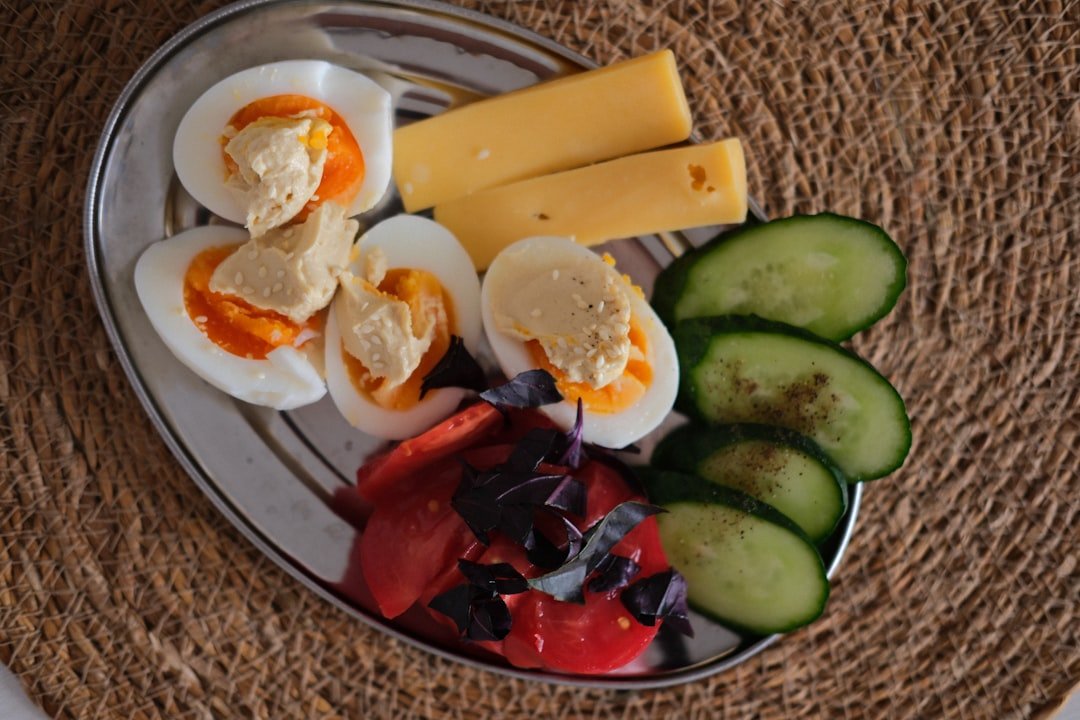
Properly cooked hard boiled eggs with fully set, bright yellow yolks are ideal for devilled eggs, egg salad, and Cobb salad. If the white still looks slightly translucent after you peel the egg, it needed 1 to 2 more minutes. Fully cooked whites are completely opaque and white throughout.
Some popular cooking sources advocate a cold-start method with a gentle simmer rather than a rolling boil. This can work well for consistent medium-boiled results, but it requires more calibration to achieve a fully hard yolk reliably, which is why we recommend the boiling-start method for beginners.
Frequently Asked Questions About Hard Boiled Egg Cook Time
How long does it take to hard boil an egg?
A large egg needs exactly 12 minutes in actively boiling water to produce a fully hard boiled yolk that is firm, bright yellow, and free of any grey-green ring. Start timing the moment the egg enters the boiling water, maintain a gentle (not violent) boil throughout, and transfer to an ice bath immediately when the timer goes off. The American Egg Board confirms this timing for large eggs.
What is the timing difference between soft, medium, and hard boiled eggs?
In boiling water: 6 minutes gives a soft boiled egg with a fully set white and a warm, runny yolk; 9 minutes gives a medium boiled egg with a jammy, slightly creamy yolk; and 12 minutes gives a fully hard boiled egg with a firm, opaque yolk. All timings assume large eggs placed directly into boiling water, as outlined by RecipeTin Eats.
Does altitude affect how long it takes to hard boil an egg?
Yes. At elevations above 3,500 feet, water boils at a lower temperature than 212°F (100°C), which slows cooking. Add approximately 1 to 2 minutes to your target time for every 1,000 feet above 3,500 feet. At Denver's altitude of 5,280 feet, plan on 14 minutes rather than 12 for a fully hard yolk.
Why are my hard boiled eggs hard to peel?
Very fresh eggs (under 7 days old) are the most common reason for difficult peeling. The white of a fresh egg has a lower pH, causing it to bond tightly to the inner shell membrane. Use eggs that are at least 7 to 10 days old, add 1 teaspoon of baking soda to the boiling water, and always use a proper ice bath for 10 minutes after cooking. Peel starting from the wide, air-pocket end under a thin stream of cool running water. Home cooks on Reddit's r/cookingforbeginners frequently flag egg age as the single biggest factor in peeling difficulty.
How long can you store hard boiled eggs in the refrigerator?
Hard boiled eggs kept in their shells can be refrigerated safely for up to 7 days. Once peeled, store them submerged in a bowl of cold water (change the water daily) and eat within 5 days. Never leave hard boiled eggs at room temperature for more than 2 hours, as bacteria multiply rapidly between 40°F and 140°F.
Should I start eggs in cold water or boiling water for hard boiling?
Starting in boiling water gives more precise and repeatable results because you control exactly when the cooking clock starts. The cold-start method introduces variability based on your stove's power and the pot's material, making consistent timing harder to achieve, especially for beginners. Both methods produce safe eggs; the boiling-start method simply gives you more control.
How can I tell if a hard boiled egg is fully cooked without cracking it open?
Spin the egg on a flat surface. A fully cooked hard boiled egg spins quickly and smoothly because the solid interior moves as one unit. A raw or undercooked egg wobbles and spins unevenly because the liquid yolk and white slosh around inside. This is a reliable, instant test that requires no extra equipment.